
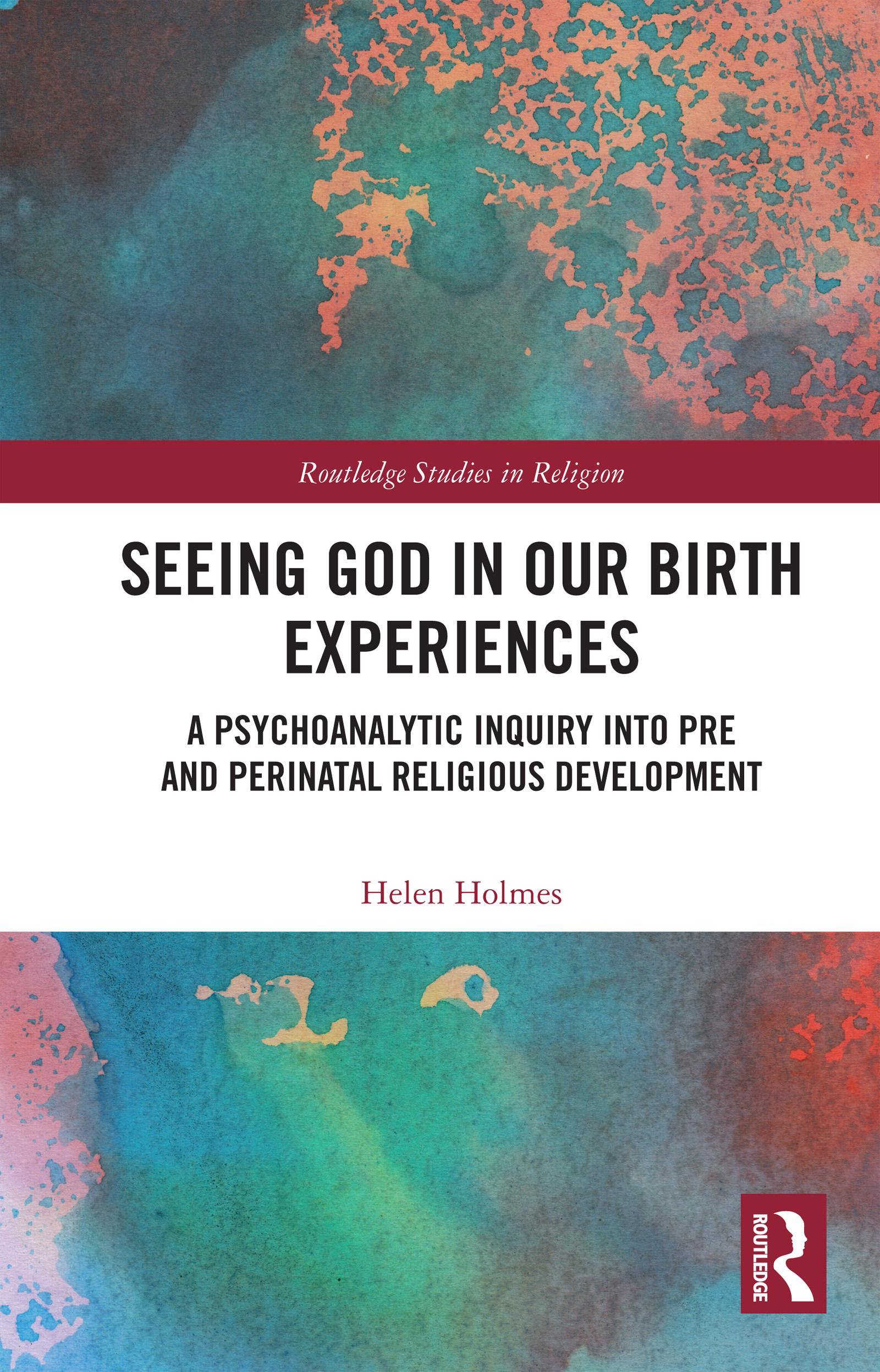
There has been a recent surge in the examination of the evolutionary roots of religious belief, all trying to identify where the human desire to seek the supernatural and the divine comes from. This book adds a new and innovative perspective to this line of thought by being the first to link prenatal and perinatal experiences to the origins of these unconscious underpinnings of our shared images of God.
The book poses a ground-breaking paradigm by thinking about our earliest images of God, whether theist or atheist, within a psychoanalytic framework, comparing and contrasting the thought of Freud and Rizzuto. It looks at the issue of images of God from a diversity of psychological perspectives including, attachment theory, developmental theory and bio-psychosocial perspectives. This analysis leads to the conclusion that in parallel to postnatal findings, uterine and birth experiences can predispose individuals to form God representations later in life, through underpinning affective and environmental factors.
This is a bold study of the development of one of humanity’s most fundamental aspects. As such, it will be of great interest to scholars of the psychology of religion, psychology, psychoanalysis, religious studies and early infant development.
Betal enkelt med kort, Klarna, Apple Pay eller Google Pay. Ikke fornøyd? Du har alltid 14 dagers angrerett. Les mer i våre vilkår. Har du spørsmål, send oss en e-post på hello@memmo.org.
Memmo gjør det enklere å studere – uansett hvor du er i verden. Hos oss samler du pensumbøker og smarte studieverktøy på ett og samme sted: sammendrag, quizer, podkaster og flashcards. Og så Ted, din studiekompis som svarer på alt du lurer på. Over 50 000 studenter studerer allerede her – bygget for at du skal lære raskere og stresse mindre.