
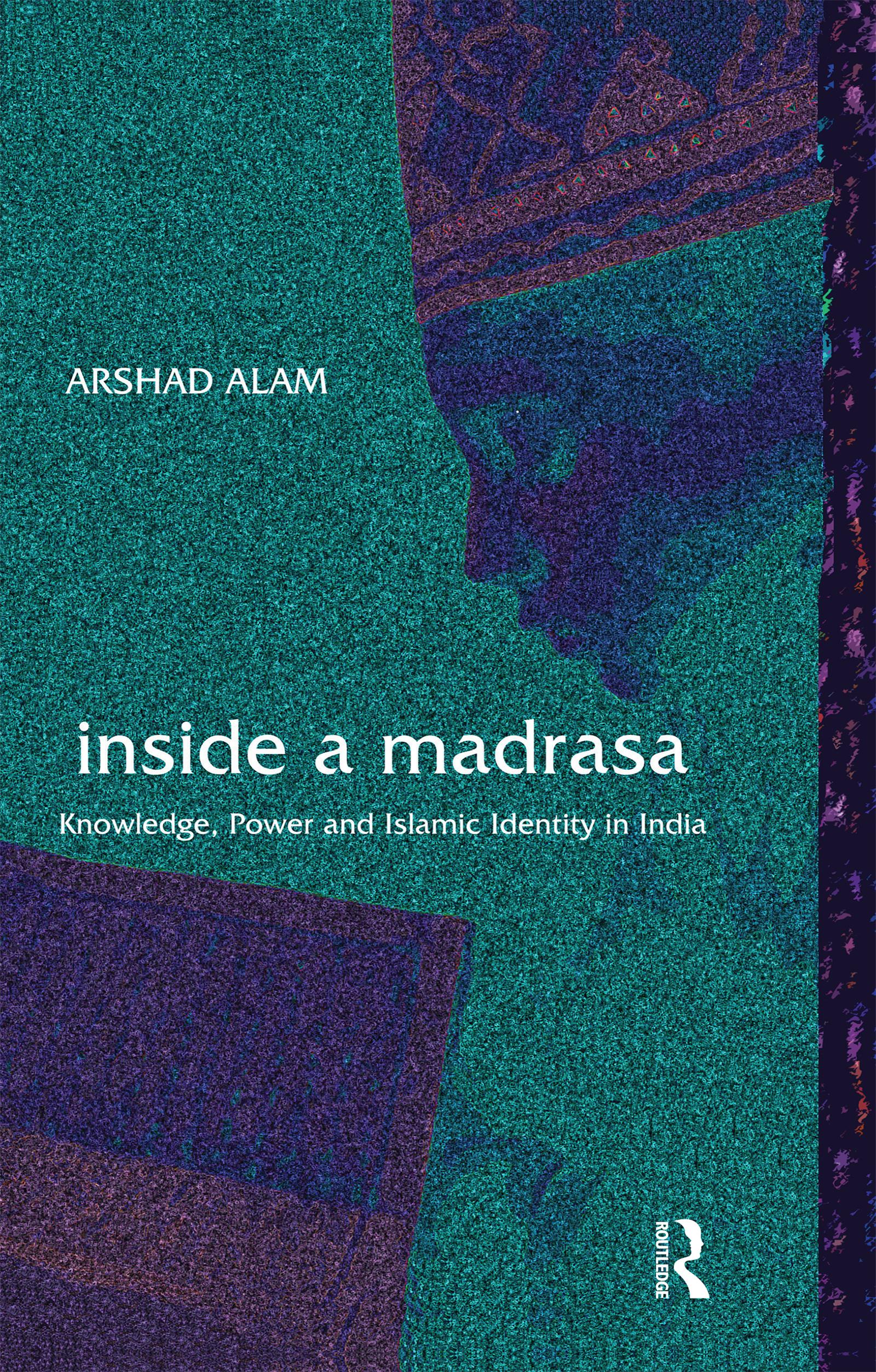
While there exists scholarly works on madrasas in India during medieval times and the colonial period, there is hardly anything on the conditions of madrasas today, and those are by and large based on secondary literature and not grounded in detailed empirical investigation. This work, through ethnographic study undertaken at two madrasas in Mubarakpur in Uttar Pradesh, shows how Indian madrasas represent a diverse array of ideological orientations which is mostly opposed to each other’s interpretation of Islam. If madrasas are about the dissemination of Islamic knowledge, then they also problematize and compete over how best to approach that knowledge; in the process they create and sustain a wide variety of possible interpretations of Islam. This volume will be of interest to scholars and researchers interested in the study of Islam and Indian Muslims. Since it is multidisciplinary in approach, it will find space within the disciplines of sociology, social anthropolgy, history and contemporary studies.
Betal enkelt med kort, Klarna, Apple Pay eller Google Pay. Ikke fornøyd? Du har alltid 14 dagers angrerett. Les mer i våre vilkår. Har du spørsmål, send oss en e-post på hello@memmo.org.
Memmo gjør det enklere å studere – uansett hvor du er i verden. Hos oss samler du pensumbøker og smarte studieverktøy på ett og samme sted: sammendrag, quizer, podkaster og flashcards. Og så Ted, din studiekompis som svarer på alt du lurer på. Over 50 000 studenter studerer allerede her – bygget for at du skal lære raskere og stresse mindre.