
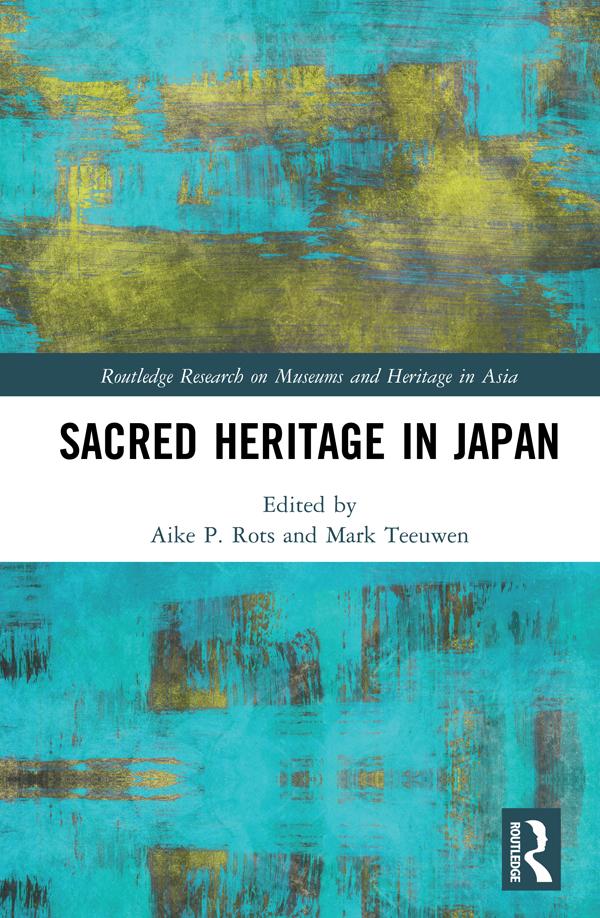
Sacred Heritage in Japan is the first volume to explicitly address the topics of Japanese religion and heritage preservation in connection with each other.
The book examines what happens when places of worship and ritual practices are rebranded as national culture. It also considers the impact of being designated tangible or intangible cultural properties and, more recently, as UNESCO World or Intangible Heritage. Drawing on primary ethnographic and historical research, the contributions to this volume show the variety of ways in which different actors have contributed to, negotiated, and at times resisted the transformation of religious traditions into heritage. They analyse the conflicts that emerge about questions of signification and authority during these processes of transformation. The book provides important new perspectives on the local implications of UNESCO listings in the Japanese context and showcases the diversity of "sacred heritage" in present-day Japan.
Combining perspectives from heritage studies, Japanese studies, religious studies, history, and social anthropology, the volume will be of interest to scholars and students who want to learn more about the diversity of local responses to heritage conservation in non-Western societies. It will also be of interest to scholars and students engaged in the study of Japanese religion, society, or cultural policies.
Betal enkelt med kort, Klarna, Apple Pay eller Google Pay. Ikke fornøyd? Du har alltid 14 dagers angrerett. Les mer i våre vilkår. Har du spørsmål, send oss en e-post på hello@memmo.org.
Memmo gjør det enklere å studere – uansett hvor du er i verden. Hos oss samler du pensumbøker og smarte studieverktøy på ett og samme sted: sammendrag, quizer, podkaster og flashcards. Og så Ted, din studiekompis som svarer på alt du lurer på. Over 50 000 studenter studerer allerede her – bygget for at du skal lære raskere og stresse mindre.