
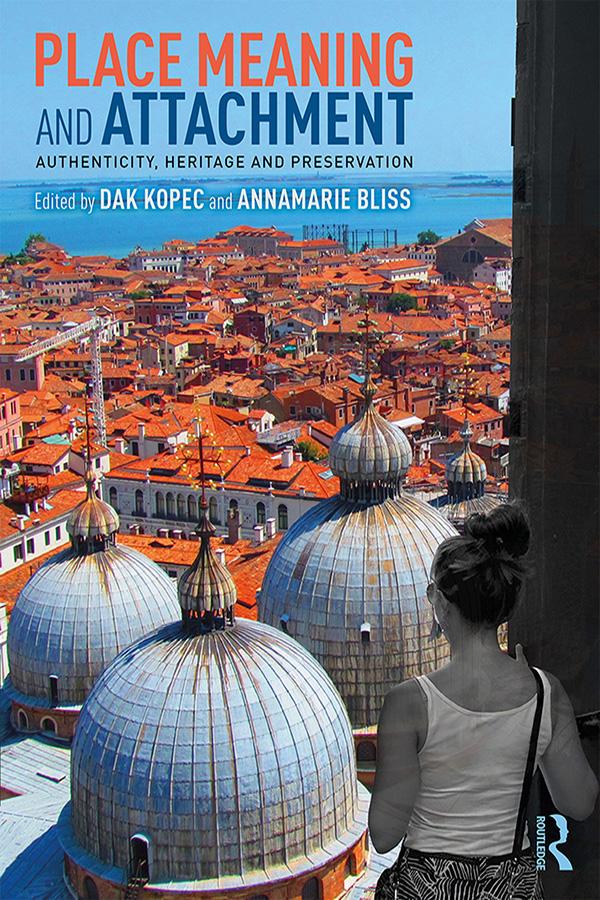
Revolutions have gripped many countries, leading to the destruction of buildings, places, and artifacts; climate change is threatening the ancestral homes of many, the increasingly uneven distribution of resources has made the poor vulnerable to the coercive efforts by the rich, and social uncertainty has led to the romanticizing of the past. Humanity is resilient, but we have a fundamental need for attachment to places, buildings, and objects.
This edited volume will explore the different meanings and forms of place attachment and meaning based on our histories and conceptualization of material artifacts. Each chapter examines a varied relationship between a given society and the meaning formed through myth, symbols, and ideologies manifested through diverse forms of material artifacts. Topics of consideration examine place attachment at many scales including at the level of the artifact, human being, building, urban context, and region. We need a better understanding of human relationships to the past, our attachments to the events and places, and to the external influences on our attachments. This understanding will allow for better preservation methods pertaining to important places and buildings, and enhanced social wellbeing for all groups of people.
Covering a broad range of international perspectives on place meaning from the United States to Europe, Asia to Russia, and Africa to Australia, this book is an essential read for students, academics, and professionals alike.
Betal enkelt med kort, Klarna, Apple Pay eller Google Pay. Ikke fornøyd? Du har alltid 14 dagers angrerett. Les mer i våre vilkår. Har du spørsmål, send oss en e-post på hello@memmo.org.
Memmo gjør det enklere å studere – uansett hvor du er i verden. Hos oss samler du pensumbøker og smarte studieverktøy på ett og samme sted: sammendrag, quizer, podkaster og flashcards. Og så Ted, din studiekompis som svarer på alt du lurer på. Over 50 000 studenter studerer allerede her – bygget for at du skal lære raskere og stresse mindre.