
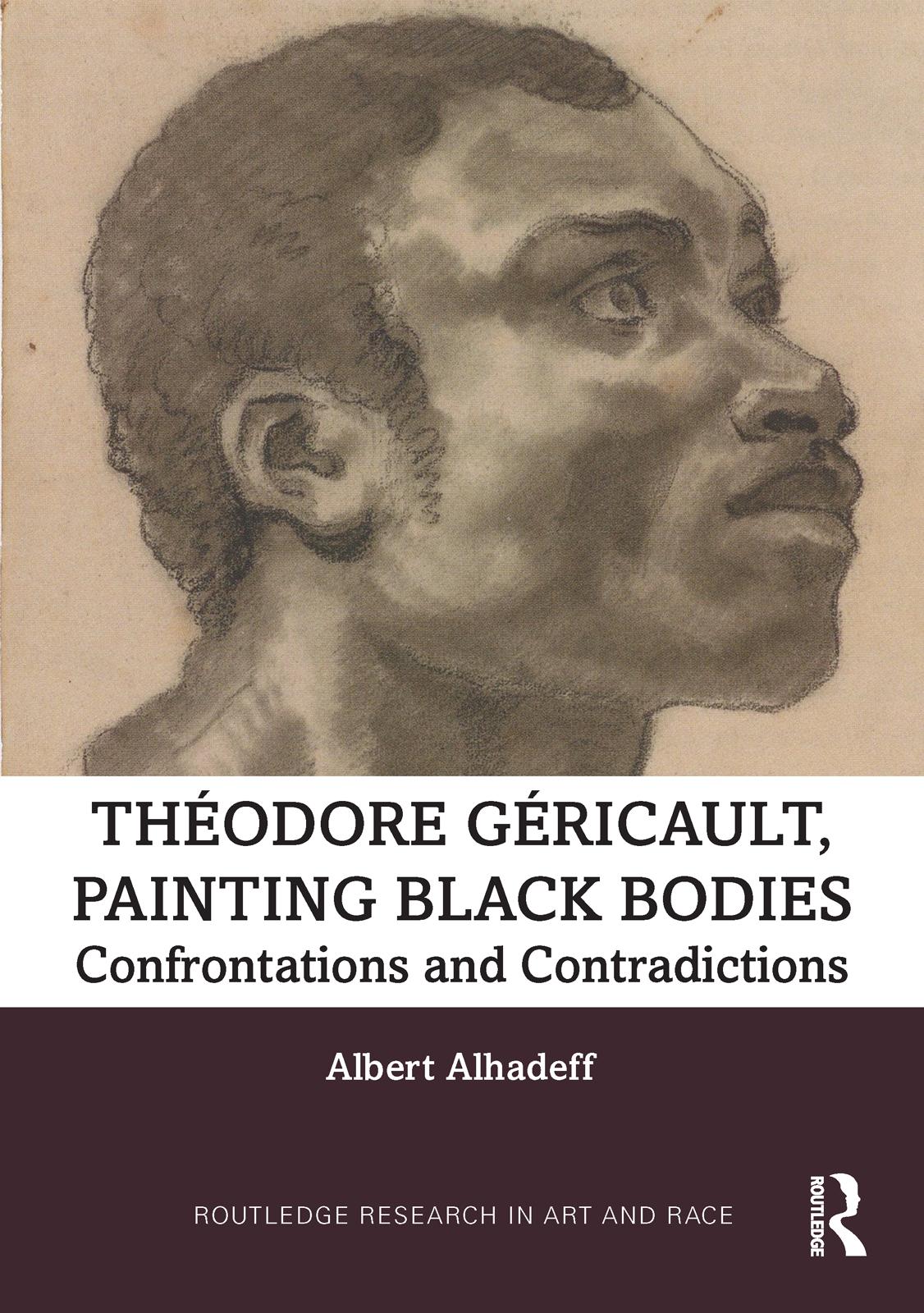
This book examines Théodore Géricault’s images of black men, women and children who suffered slavery’s trans-Atlantic passage in the late eighteenth and early nineteenth centuries, including his 1819 painting The Raft of the Medusa.
The book focuses on Géricault’s depiction of black people, his approach towards slavery, and the voices that advanced or denigrated them. By turning to documents, essays and critiques, both before and after Waterloo (1815), and, most importantly, Géricault’s own oeuvre, this study explores the fetters of slavery that Gericault challenged—alongside a growing number of abolitionists—overtly or covertly.
This book will be of interest to scholars in art history, race and ethnic studies and students of modernism.
Betal enkelt med kort, Klarna, Apple Pay eller Google Pay. Ikke fornøyd? Du har alltid 14 dagers angrerett. Les mer i våre vilkår. Har du spørsmål, send oss en e-post på hello@memmo.org.
Memmo gjør det enklere å studere – uansett hvor du er i verden. Hos oss samler du pensumbøker og smarte studieverktøy på ett og samme sted: sammendrag, quizer, podkaster og flashcards. Og så Ted, din studiekompis som svarer på alt du lurer på. Over 50 000 studenter studerer allerede her – bygget for at du skal lære raskere og stresse mindre.