
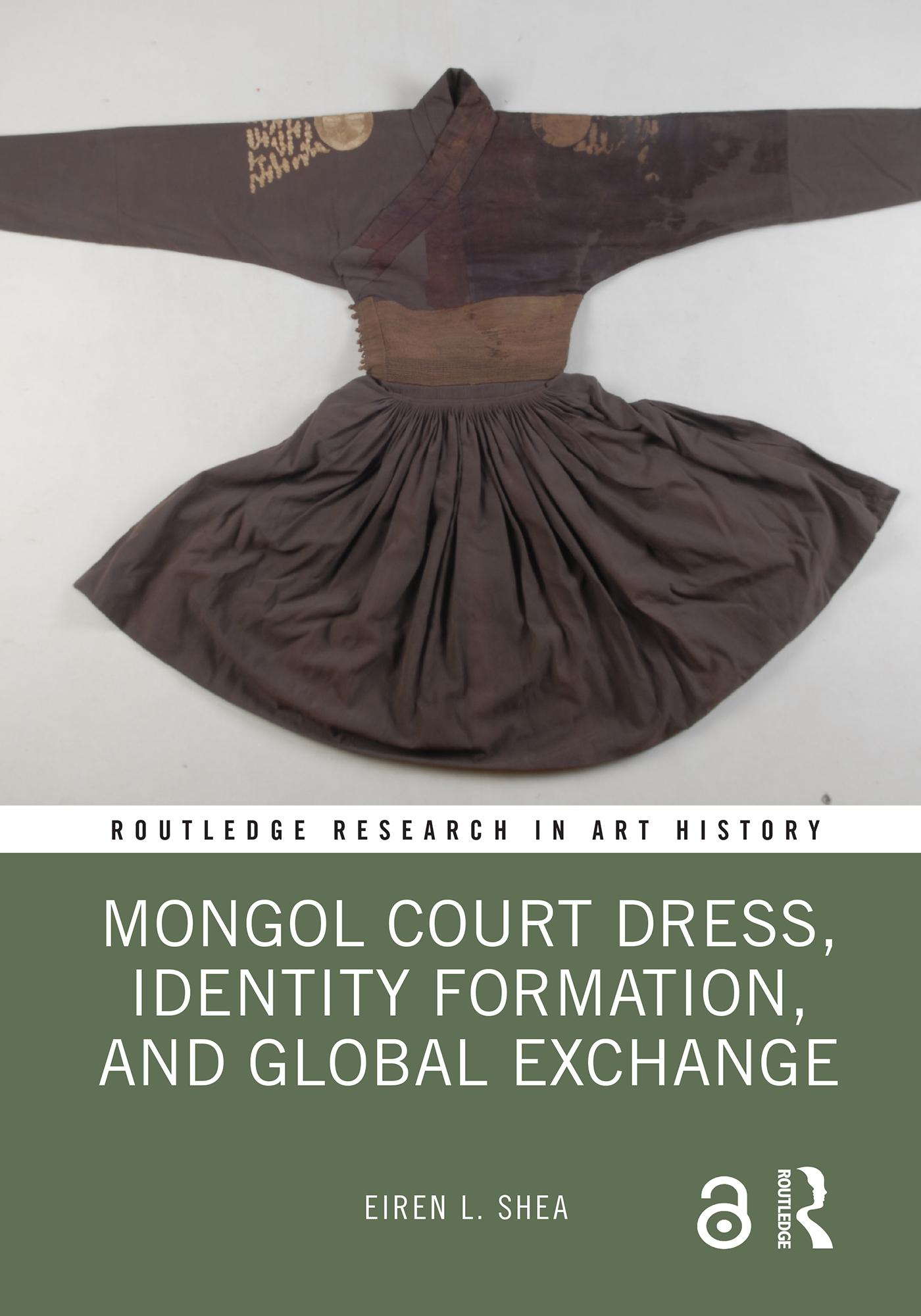
The Mongol period (1206-1368) marked a major turning point of exchange – culturally, politically, and artistically – across Eurasia.
The wide-ranging international exchange that occurred during the Mongol period is most apparent visually through the inclusion of Mongol motifs in textile, paintings, ceramics, and metalwork, among other media. Eiren Shea investigates how a group of newly-confederated tribes from the steppe conquered the most sophisticated societies in existence in less than a century, creating a courtly idiom that permanently changed the aesthetics of China and whose echoes were felt across Central Asia, the Middle East, and even Europe.
This book will be of interest to scholars in art history, fashion design, and Asian studies.
The Open Access version of this book, available at http://www.taylorfrancis.com, has been made available under a Creative Commons Attribution-Non Commercial 4.0 license.
Betal enkelt med kort, Klarna, Apple Pay eller Google Pay. Ikke fornøyd? Du har alltid 14 dagers angrerett. Les mer i våre vilkår. Har du spørsmål, send oss en e-post på hello@memmo.org.
Memmo gjør det enklere å studere – uansett hvor du er i verden. Hos oss samler du pensumbøker og smarte studieverktøy på ett og samme sted: sammendrag, quizer, podkaster og flashcards. Og så Ted, din studiekompis som svarer på alt du lurer på. Over 50 000 studenter studerer allerede her – bygget for at du skal lære raskere og stresse mindre.