
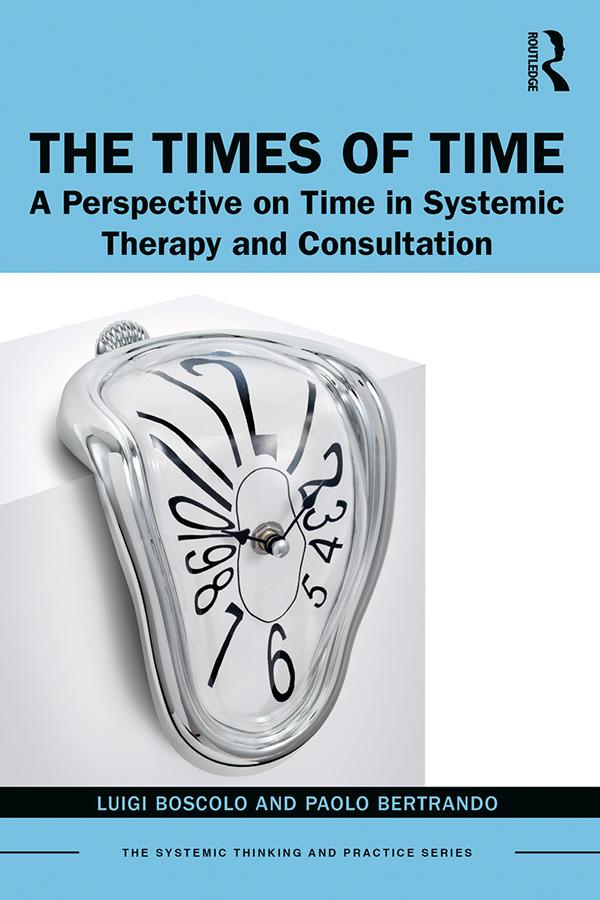
This is the most comprehensive study of the role of time in psychotherapy. It illustrates how time is experienced in different ways – individual time, family time, and social time – and how time can act as an invaluable metaphor in shaping clinical practice within a systemic approach, while maintaining connections with other approaches, such as psychoanalysis and cognitive therapies.
A seminal volume on this topic, the book looks at issues such as the duration of therapy; the relevance of past, present, and future in therapy; and the balance of memory and oblivion. It also includes a discussion of how time is framed in other disciplines, including sociology, history, and psychopathology, whilst exploring the concept in practical terms through case vignettes and complete case histories, including the transcripts of actual sessions. The reader is thus given a set of guidelines for dealing with time issues in therapy from a systemic perspective.
Originally published in 1993, the book has been updated to create a dialogue with contemporary theoretical debates, as well as social and technological changes. It will fascinate all psychotherapists, particularly those interested in a systemic practice.
Betal enkelt med kort, Klarna, Apple Pay eller Google Pay. Ikke fornøyd? Du har alltid 14 dagers angrerett. Les mer i våre vilkår. Har du spørsmål, send oss en e-post på hello@memmo.org.
Memmo gjør det enklere å studere – uansett hvor du er i verden. Hos oss samler du pensumbøker og smarte studieverktøy på ett og samme sted: sammendrag, quizer, podkaster og flashcards. Og så Ted, din studiekompis som svarer på alt du lurer på. Over 50 000 studenter studerer allerede her – bygget for at du skal lære raskere og stresse mindre.