
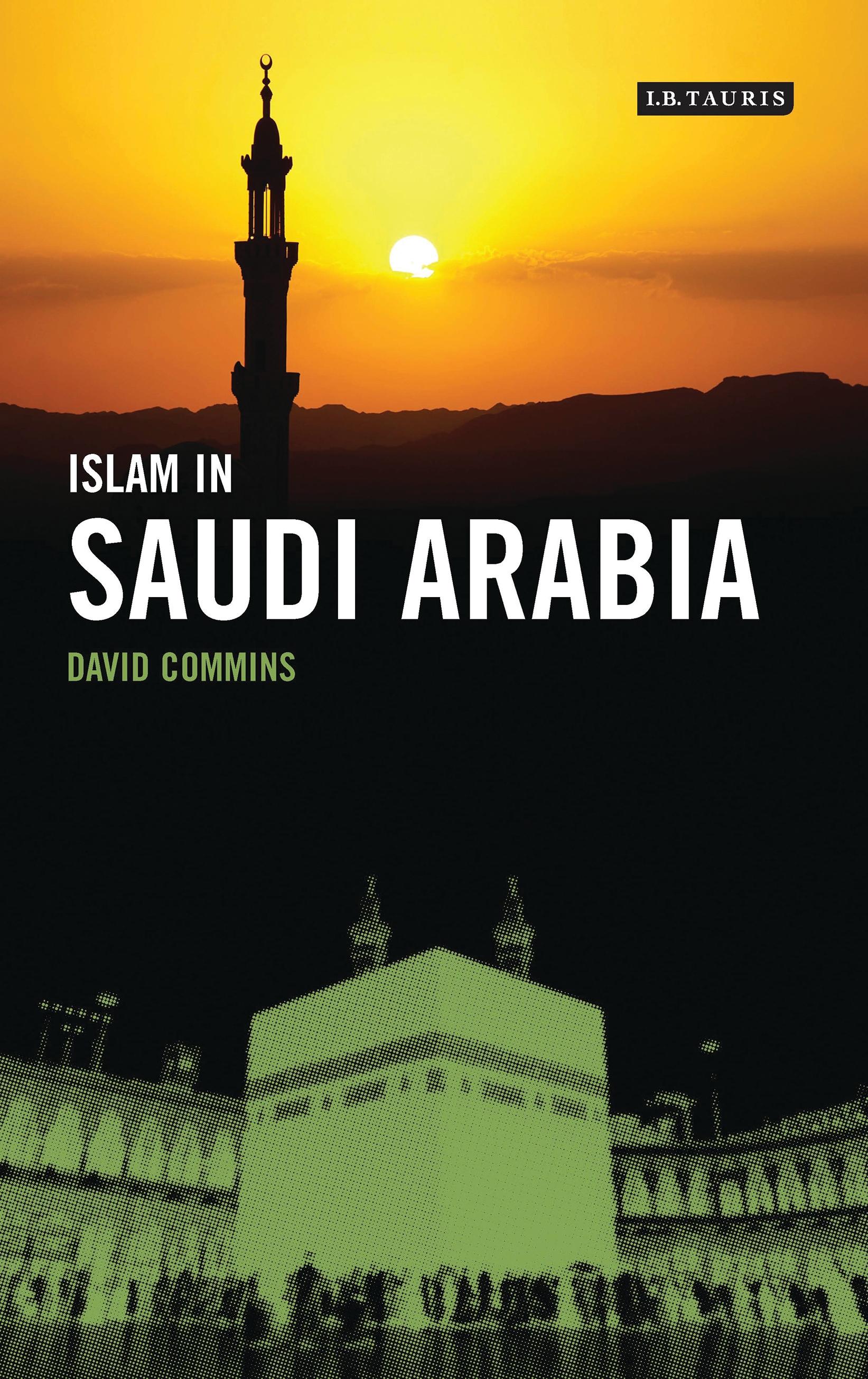
The common image of Saudi Arabia portrays a country where religious rules dictate every detail of daily life: where women may not drive; where unrelated men and women may not interact; where the latter veil their faces; and where banks, restaurants and cafes have dual facilities: one for families, another for men. Yet life in the kingdom, contrary to perception, is not so clear cut as simply obeying dogma. David Commins challenges the stereotype of a country immune to change by highlighting the ways that urbanization, education, consumerism, global communications and technological innovation have exerted pressure against rules issued by the religious establishment. He places the Wahhabi movement in the wider context of Islamic history, showing how state-appointed clerics built on dynastic backing to fashion a model society of Sharia observance and moral virtue. But beneath a surface appearance of obedience to Islamic authority he detects currents that reflect Arabia's heritage of diversity (where Shi'i and Sufi tendencies survive in the face of discrimination) and the effects of its exposure to Western mores.
Betal enkelt med kort, Klarna, Apple Pay eller Google Pay. Ikke fornøyd? Du har alltid 14 dagers angrerett. Les mer i våre vilkår. Har du spørsmål, send oss en e-post på hello@memmo.org.
Memmo gjør det enklere å studere – uansett hvor du er i verden. Hos oss samler du pensumbøker og smarte studieverktøy på ett og samme sted: sammendrag, quizer, podkaster og flashcards. Og så Ted, din studiekompis som svarer på alt du lurer på. Over 50 000 studenter studerer allerede her – bygget for at du skal lære raskere og stresse mindre.