
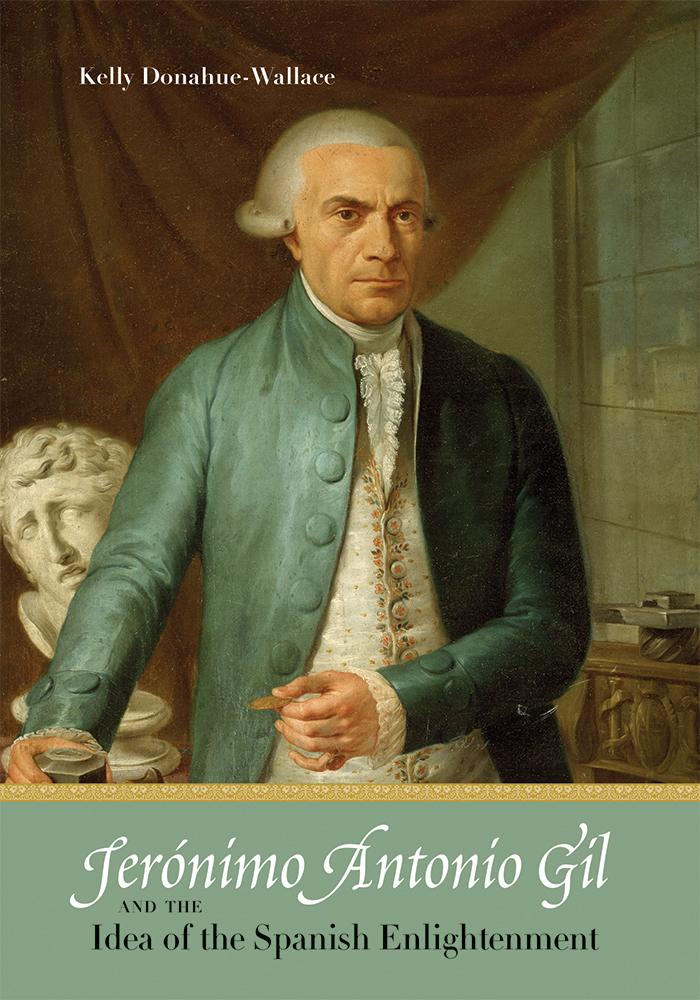
Examining the career of a largely unstudied eighteenth-century engraver, this book establishes Jerónimo Antonio Gil, a man immersed within the complicated culture and politics of the Spanish empire, as a major figure in the history of both Spanish and Mexican art. Donahue-Wallace examines Gil as an artist, tracing his education, entry into professional life, appointment to the Mexico City mint, and foundation of the Royal Academy of the Three Noble Arts of San Carlos. She analyzes the archival and visual materials he left behind and, most importantly, she considers the ideas, philosophies, and principles of his era, those who espoused them, and how Gil responded to them. Although frustrated by resistance from the faculty and colleagues he brought to his academy, Gil would leave a lasting influence on the Mexican art scene as local artists continued to benefit from his legacy at the Mexican academy.
Betal enkelt med kort, Klarna, Apple Pay eller Google Pay. Ikke fornøyd? Du har alltid 14 dagers angrerett. Les mer i våre vilkår. Har du spørsmål, send oss en e-post på hello@memmo.org.
Memmo gjør det enklere å studere – uansett hvor du er i verden. Hos oss samler du pensumbøker og smarte studieverktøy på ett og samme sted: sammendrag, quizer, podkaster og flashcards. Og så Ted, din studiekompis som svarer på alt du lurer på. Over 50 000 studenter studerer allerede her – bygget for at du skal lære raskere og stresse mindre.