
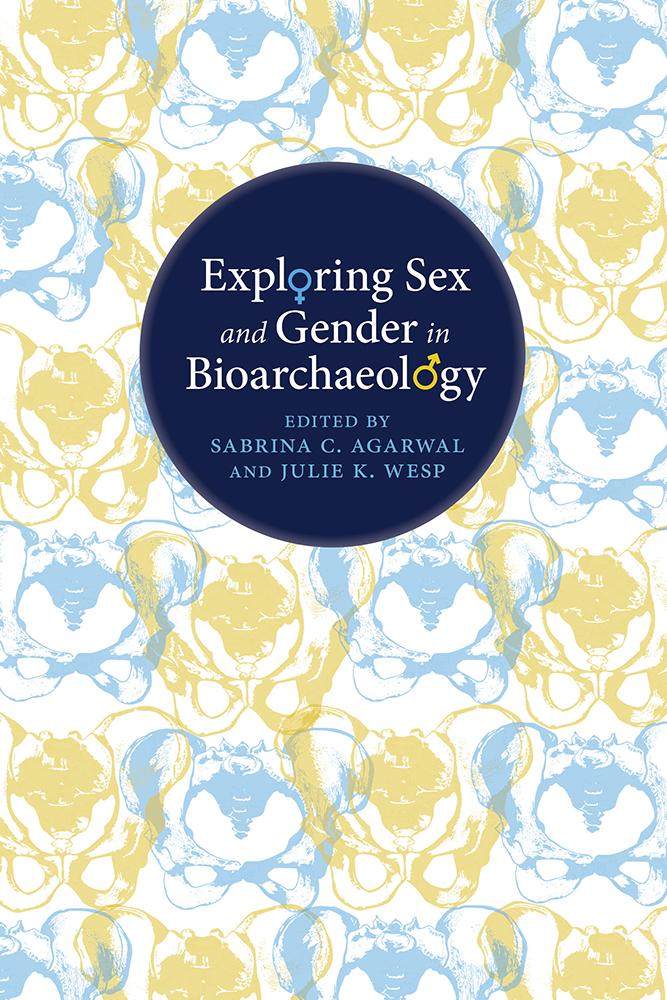
This volume brings together the latest approaches in bioarchaeology in the study of sex and gender. Archaeologists have long used skeletal remains to identify gender. Contemporary bioarchaeologists, however, have begun to challenge the theoretical and methodological basis for sex assignment from the skeleton. Simultaneously, they have started to consider the cultural construction of the gendered body and gender roles, recognizing the body as uniquely fashioned from the interaction of biological, social, and environmental factors. As the contributors to this volume reveal, combining skeletal data with contextual information can provide a richer understanding of life in the past.
Betal enkelt med kort, Klarna, Apple Pay eller Google Pay. Ikke fornøyd? Du har alltid 14 dagers angrerett. Les mer i våre vilkår. Har du spørsmål, send oss en e-post på hello@memmo.org.
Memmo gjør det enklere å studere – uansett hvor du er i verden. Hos oss samler du pensumbøker og smarte studieverktøy på ett og samme sted: sammendrag, quizer, podkaster og flashcards. Og så Ted, din studiekompis som svarer på alt du lurer på. Over 50 000 studenter studerer allerede her – bygget for at du skal lære raskere og stresse mindre.