
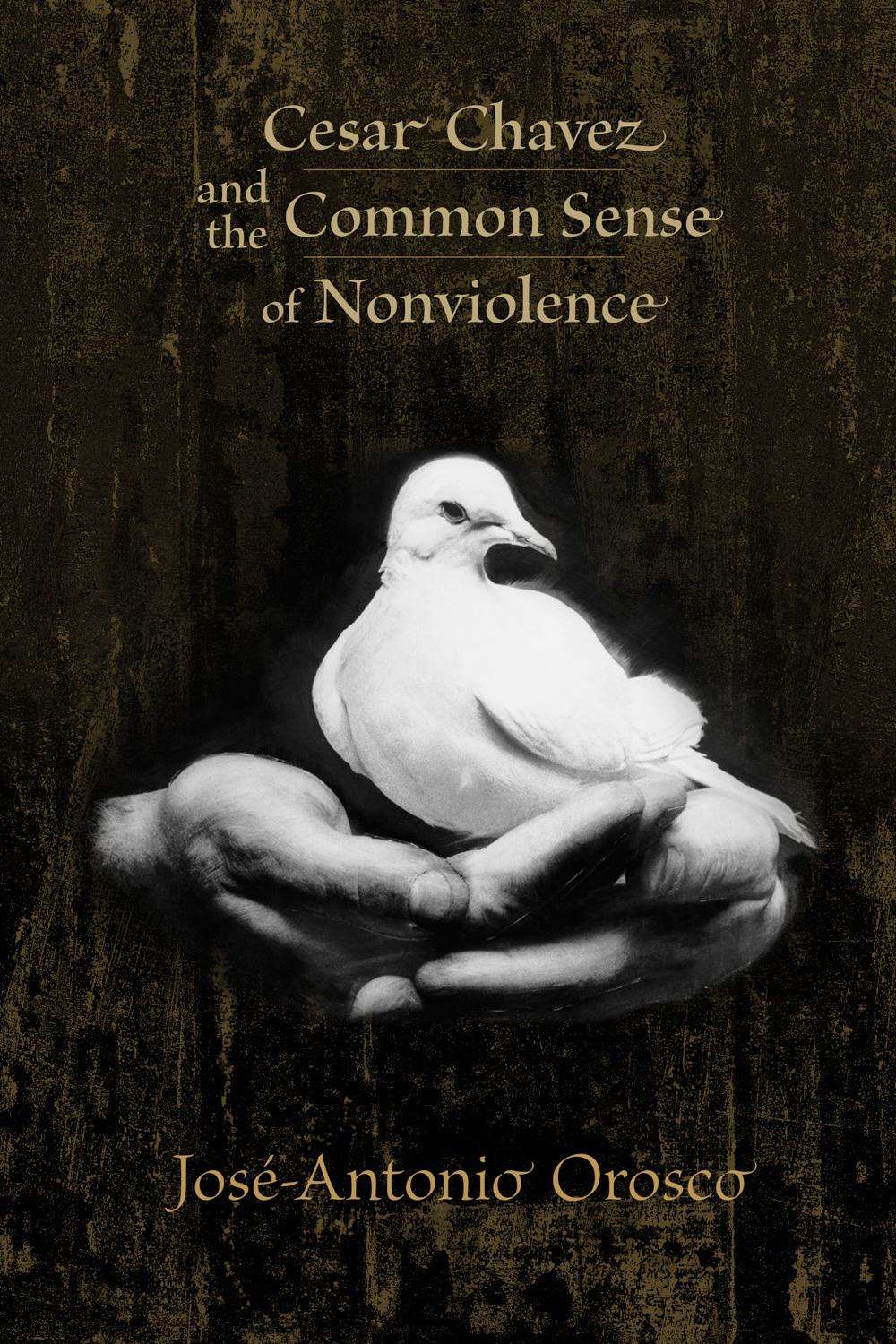
Cesar Chavez has long been heralded for his personal practice of nonviolent resistance in struggles against social, racial, and labor injustices. However, the works of Gandhi and Martin Luther King Jr. have long overshadowed Chavez's contributions to the theory of nonviolence. José-Antonio Orosco seeks to elevate Chavez as an original thinker, providing an analysis of what Chavez called "the common sense of nonviolence." By engaging Chavez in dialogue with a variety of political theorists and philosophers, Orosco demonstrates how Chavez developed distinct ideas about nonviolent theory that are timely for dealing with today's social and political issues, including racism, sexism, immigration, globalization, and political violence.
Betal enkelt med kort, Klarna, Apple Pay eller Google Pay. Ikke fornøyd? Du har alltid 14 dagers angrerett. Les mer i våre vilkår. Har du spørsmål, send oss en e-post på hello@memmo.org.
Memmo gjør det enklere å studere – uansett hvor du er i verden. Hos oss samler du pensumbøker og smarte studieverktøy på ett og samme sted: sammendrag, quizer, podkaster og flashcards. Og så Ted, din studiekompis som svarer på alt du lurer på. Over 50 000 studenter studerer allerede her – bygget for at du skal lære raskere og stresse mindre.