
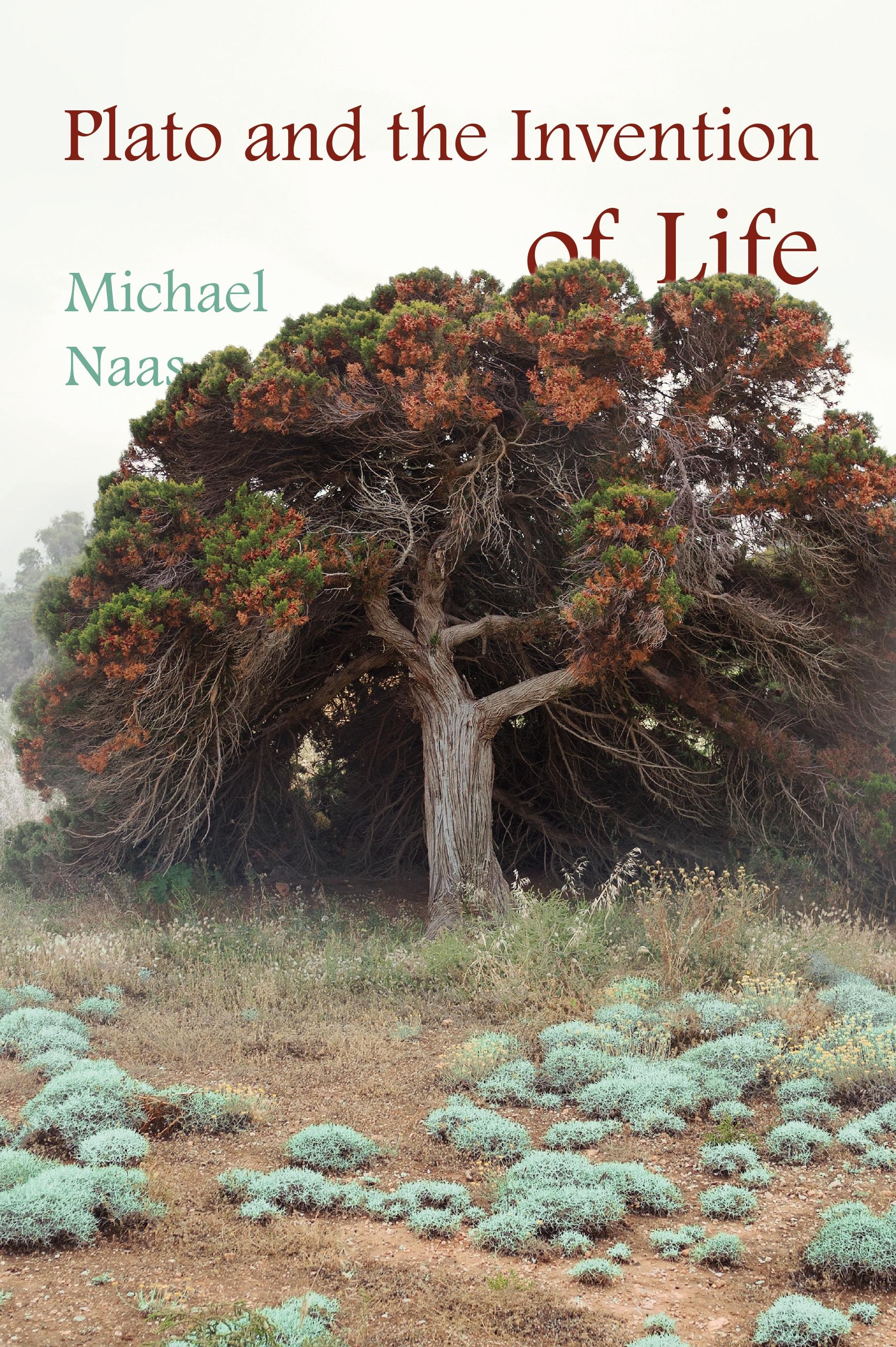
The question of life, Michael Naas argues, though rarely foregrounded by Plato, runs through and structures his thought. By characterizing being in terms of life, Plato in many of his later dialogues, including the Statesman, begins to discover—or, better, to invent—a notion of true or real life that would be opposed to all merely biological or animal life, a form of life that would be more valuable than everything we call life and every life that can actually be lived.
This emphasis on life in the Platonic dialogues illuminates the structural relationship between many of Plato’s most time-honored distinctions, such as being and becoming, soul and body. At the same time, it helps to explain the enormous power and authority that Plato’s thought has exercised, for good or ill, over our entire philosophical and religious tradition.
Lucid yet sophisticated, Naas’s account offers a fundamental rereading of what the concept of life entails, one that inflects a range of contemporary conversations, from biopolitics, to the new materialisms, to the place of the human within the living world.
Betal enkelt med kort, Klarna, Apple Pay eller Google Pay. Ikke fornøyd? Du har alltid 14 dagers angrerett. Les mer i våre vilkår. Har du spørsmål, send oss en e-post på hello@memmo.org.
Memmo gjør det enklere å studere – uansett hvor du er i verden. Hos oss samler du pensumbøker og smarte studieverktøy på ett og samme sted: sammendrag, quizer, podkaster og flashcards. Og så Ted, din studiekompis som svarer på alt du lurer på. Over 50 000 studenter studerer allerede her – bygget for at du skal lære raskere og stresse mindre.