
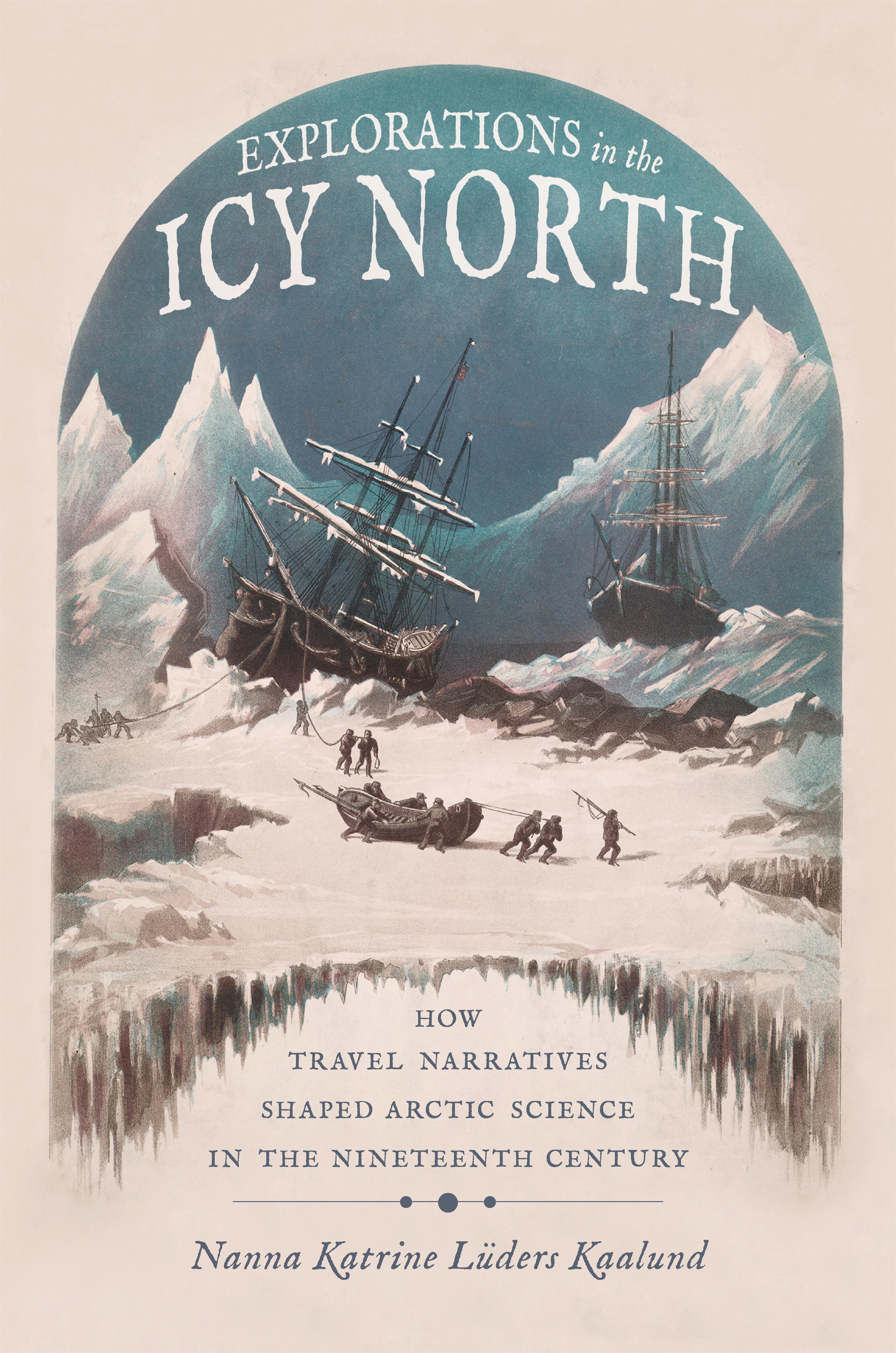
Science in the Arctic changed dramatically over the course of the nineteenth century, when early, scattered attempts in the region to gather knowledge about all aspects of the natural world transitioned to a more unified Arctic science under the First International Polar Year in 1882. The IPY brought together researchers from multiple countries with the aim of undertaking systematic and coordinated experiments and observations in the Arctic and Antarctic. Harsh conditions, intense isolation, and acute danger inevitably impacted the making and communicating of scientific knowledge. At the same time, changes in ideas about what it meant to be an authoritative observer of natural phenomena were linked to tensions in imperial ambitions, national identities, and international collaborations of the IPY. Through a focused study of travel narratives in the British, Danish, Canadian, and American contexts, Nanna Katrine Lüders Kaalund uncovers not only the transnational nature of Arctic exploration, but also how the publication and reception of literature about it shaped an extreme environment, its explorers, and their scientific practices. She reveals how, far beyond the metropole—in the vast area we understand today as the North American and Greenlandic Arctic—explorations and the narratives that followed ultimately influenced the production of field science in the nineteenth century.
Kategori: Vetenskapsteori och forskningsmetod
e-ISBN: 9780822988052
Betal enkelt med kort, Klarna, Apple Pay eller Google Pay. Ikke fornøyd? Du har alltid 14 dagers angrerett. Les mer i våre vilkår. Har du spørsmål, send oss en e-post på hello@memmo.org.
Memmo gjør det enklere å studere – uansett hvor du er i verden. Hos oss samler du pensumbøker og smarte studieverktøy på ett og samme sted: sammendrag, quizer, podkaster og flashcards. Og så Ted, din studiekompis som svarer på alt du lurer på. Over 50 000 studenter studerer allerede her – bygget for at du skal lære raskere og stresse mindre.
Du vil kanskje også like
Kjøp boken0