
Finalist, 2021 ASA Bethwell A. Ogot Book Prize
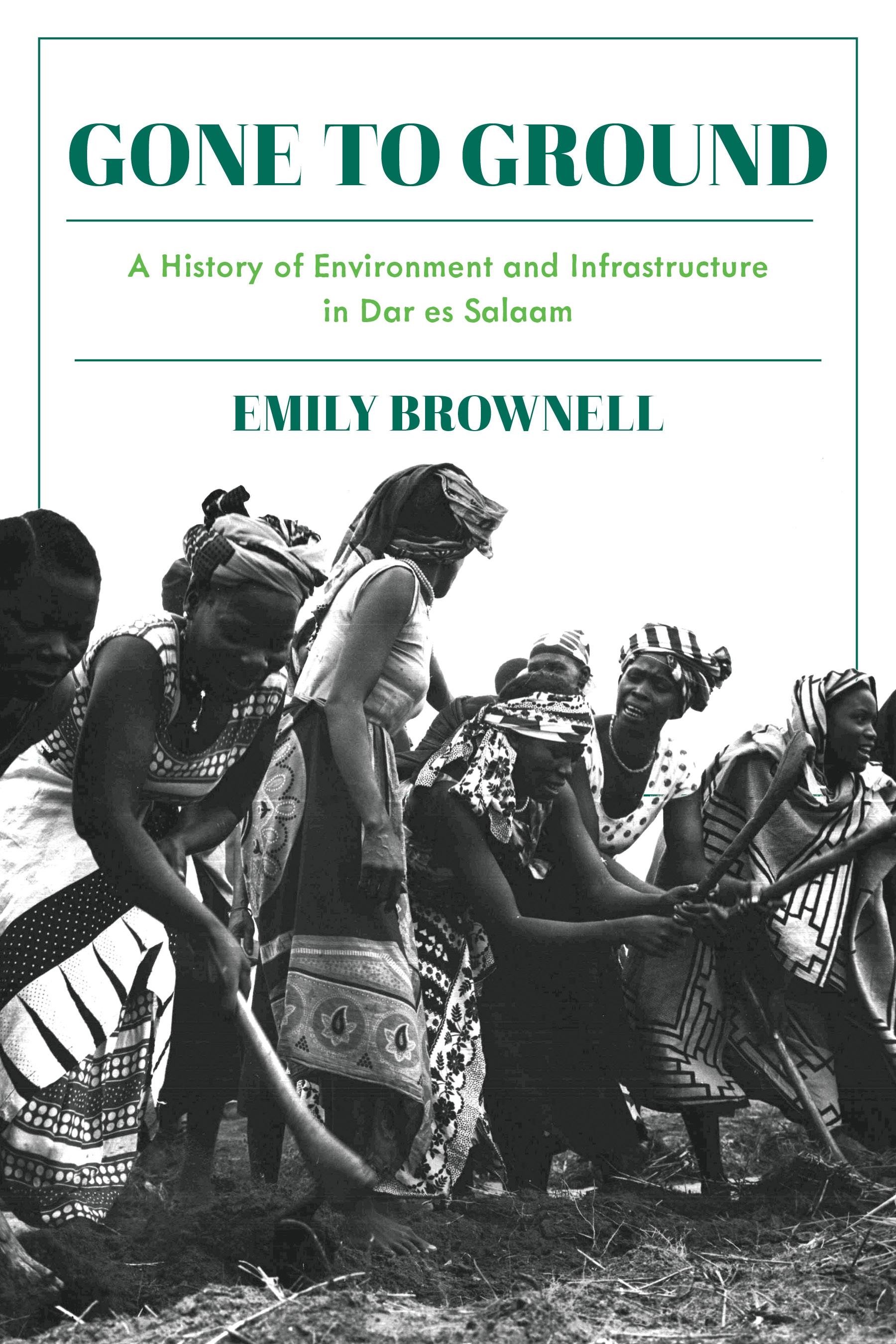
Gone to Ground is an investigation into the material and political forces that transformed the cityscape of Dar es Salaam, Tanzania in the 1970s and early 1980s. It is both the story of a particular city and the history of a global moment of massive urban transformation from the perspective of those at the center of this shift. Built around an archive of newspapers, oral history interviews, planning documents, and a broad compendium of development reports, Emily Brownell writes about how urbanites navigated the state’s anti-urban planning policies along with the city’s fracturing infrastructures and profound shortages of staple goods to shape Dar’s environment. They did so most frequently by “going to ground” in the urban periphery, orienting their lives to the city’s outskirts where they could plant small farms, find building materials, produce charcoal, and escape the state’s policing of urban space.
Taking seriously as historical subject the daily hurdles of families to find housing, food, transportation, and space in the city, these quotidian concerns are drawn into conversation with broader national and transnational anxieties about the oil crisis, resource shortages, infrastructure, and African socialism. In bringing these concerns together into the same frame, Gone to Ground considers how the material and political anxieties of the era were made manifest in debates about building materials, imported technologies, urban agriculture, energy use, and who defines living and laboring in the city.
Gone to Ground is an investigation into the material and political forces that transformed the cityscape of Dar es Salaam, Tanzania in the 1970s and early 1980s. It is both the story of a particular city and the history of a global moment of massive urban transformation from the perspective of those at the center of this shift. Built around an archive of newspapers, oral history interviews, planning documents, and a broad compendium of development reports, Emily Brownell writes about how urbanites navigated the state’s anti-urban planning policies along with the city’s fracturing infrastructures and profound shortages of staple goods to shape Dar’s environment. They did so most frequently by “going to ground” in the urban periphery, orienting their lives to the city’s outskirts where they could plant small farms, find building materials, produce charcoal, and escape the state’s policing of urban space.
Taking seriously as historical subject the daily hurdles of families to find housing, food, transportation, and space in the city, these quotidian concerns are drawn into conversation with broader national and transnational anxieties about the oil crisis, resource shortages, infrastructure, and African socialism. In bringing these concerns together into the same frame, Gone to Ground considers how the material and political anxieties of the era were made manifest in debates about building materials, imported technologies, urban agriculture, energy use, and who defines living and laboring in the city.
Kategori: Arkitektur & Stadsplanering
e-ISBN: 9780822987451
Betal enkelt med kort, Klarna, Apple Pay eller Google Pay. Ikke fornøyd? Du har alltid 14 dagers angrerett. Les mer i våre vilkår. Har du spørsmål, send oss en e-post på hello@memmo.org.
Memmo gjør det enklere å studere – uansett hvor du er i verden. Hos oss samler du pensumbøker og smarte studieverktøy på ett og samme sted: sammendrag, quizer, podkaster og flashcards. Og så Ted, din studiekompis som svarer på alt du lurer på. Over 50 000 studenter studerer allerede her – bygget for at du skal lære raskere og stresse mindre.
Du vil kanskje også like
Kjøp boken0