
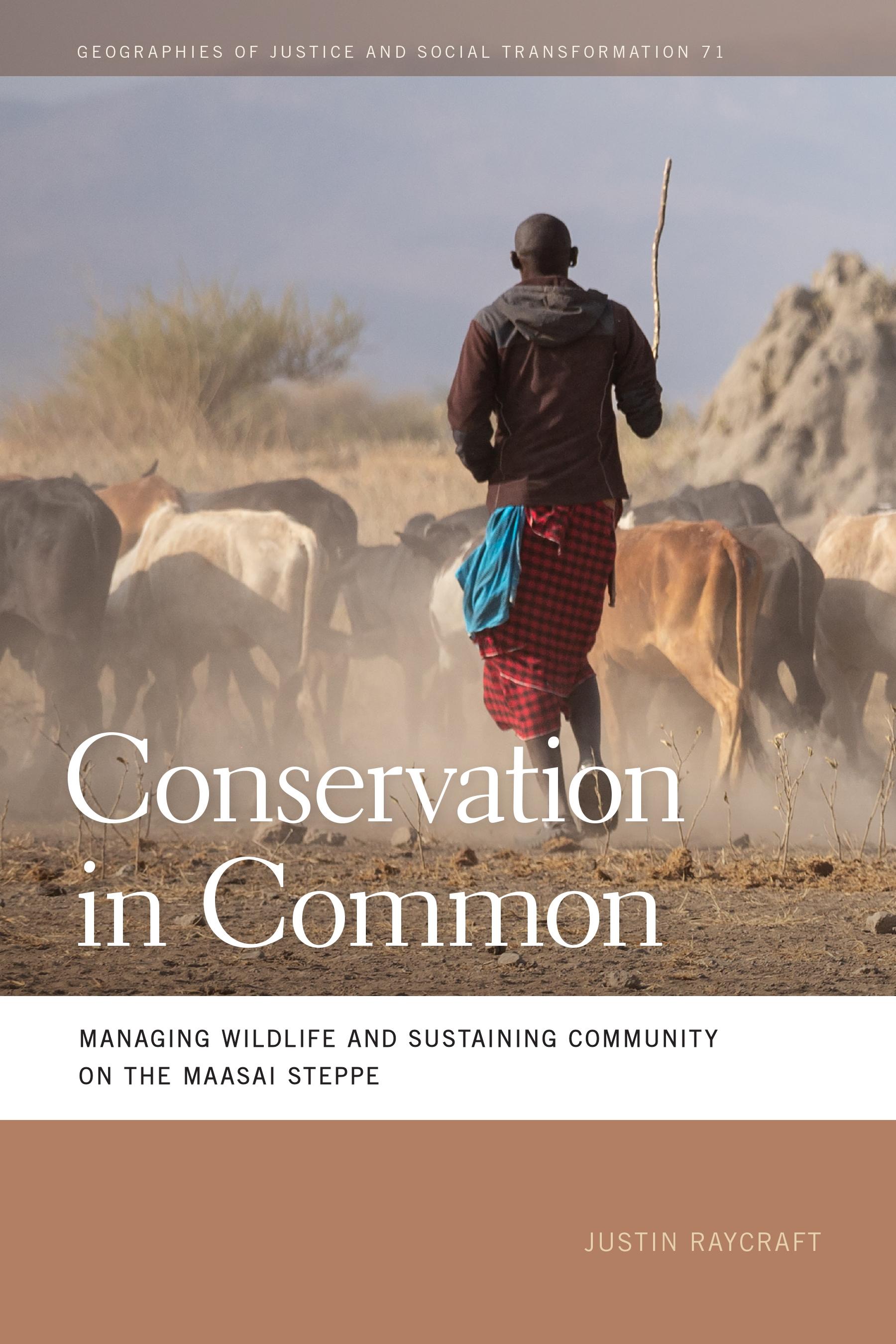
Wildlife conservation in Tanzania is fraught with conflicts between the state, international organizations, private investors, and local communities over the rights to rangeland resources and the benefit streams associated with safari tourism. This book takes up the question of how a Wildlife Management Area (WMA) in Tanzania’s Tarangire ecosystem is viewed from the bottom up, by the people who are directly affected by its implementation. Based on historically grounded ethnographic research, Justin Raycraft documents a shift in local attitudes toward Randilen WMA—from fear and protest to widespread support. He analyzes this process of transformation in the context of empathetic management practices that have fostered feelings of trust and uncovered common ground between conservation stakeholders. Raycraft shows that although WMAs are not fully devolved to the local level, pastoral communities can use them to defend the things they value most: their land and livelihoods. Conservation in Common makes a much-needed intervention in critical political ecology literature by providing the first account of a conservation area in Tanzania that serves the interests of its local community, thereby making the case that protecting wildlife habitat and safeguarding human well-being are not mutually exclusive activities.
Betal enkelt med kort, Klarna, Apple Pay eller Google Pay. Ikke fornøyd? Du har alltid 14 dagers angrerett. Les mer i våre vilkår. Har du spørsmål, send oss en e-post på hello@memmo.org.
Memmo gjør det enklere å studere – uansett hvor du er i verden. Hos oss samler du pensumbøker og smarte studieverktøy på ett og samme sted: sammendrag, quizer, podkaster og flashcards. Og så Ted, din studiekompis som svarer på alt du lurer på. Over 50 000 studenter studerer allerede her – bygget for at du skal lære raskere og stresse mindre.
Du vil kanskje også like
Kjøp boken0