
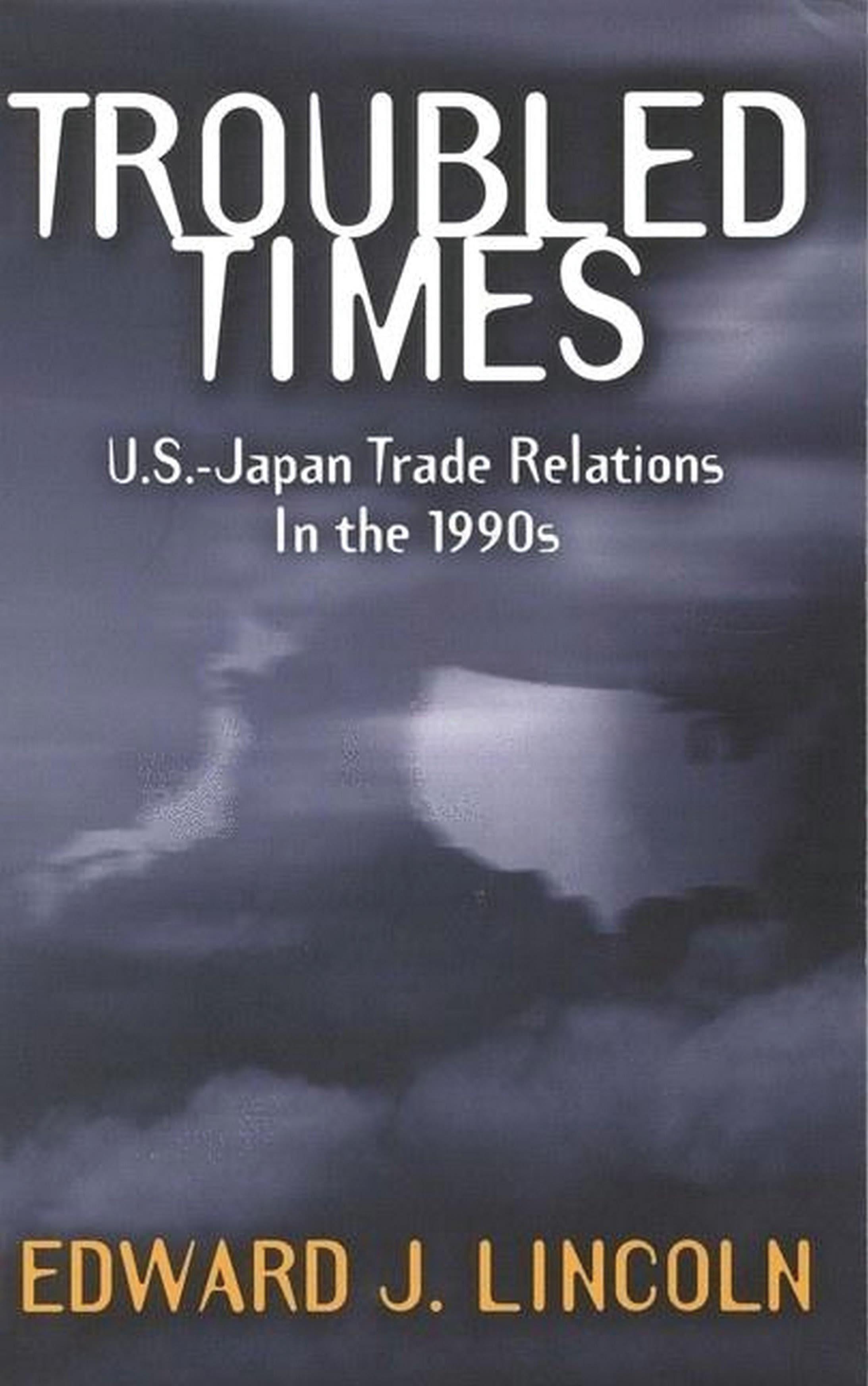
In this book, Edward J. Lincoln tackles the thorny issue of U.S. trade relations with Japan, the subject of so much tension in the 1990s. In so doing, he builds on his earlier Brookings book, Japan's Unequal Trade. Lincoln argues that statistical evidence shows only modest progress in diminishing Japan's ""distinctiveness."" Despite an upturn in the mid-1990s, import penetration, intra-industry trade, and inward foreign direct investment all remain low relative to most other nations. High profile negotiating efforts by both the Bush and Clinton administrations made progress in chipping away at protectionist barriers but fundamental problems remain. While Lincoln offers suggestions on what needs to be done by both sides, the most important lesson drawn from recent experience is that expectations should be lowered. Any feasible approach to making markets more open in Japan is likely to yield slow progress. Such realism--not to be confused with defeatism--is the only approach that has any chance of realizing gains over time.
Betal enkelt med kort, Klarna, Apple Pay eller Google Pay. Ikke fornøyd? Du har alltid 14 dagers angrerett. Les mer i våre vilkår. Har du spørsmål, send oss en e-post på hello@memmo.org.
Memmo gjør det enklere å studere – uansett hvor du er i verden. Hos oss samler du pensumbøker og smarte studieverktøy på ett og samme sted: sammendrag, quizer, podkaster og flashcards. Og så Ted, din studiekompis som svarer på alt du lurer på. Over 50 000 studenter studerer allerede her – bygget for at du skal lære raskere og stresse mindre.