
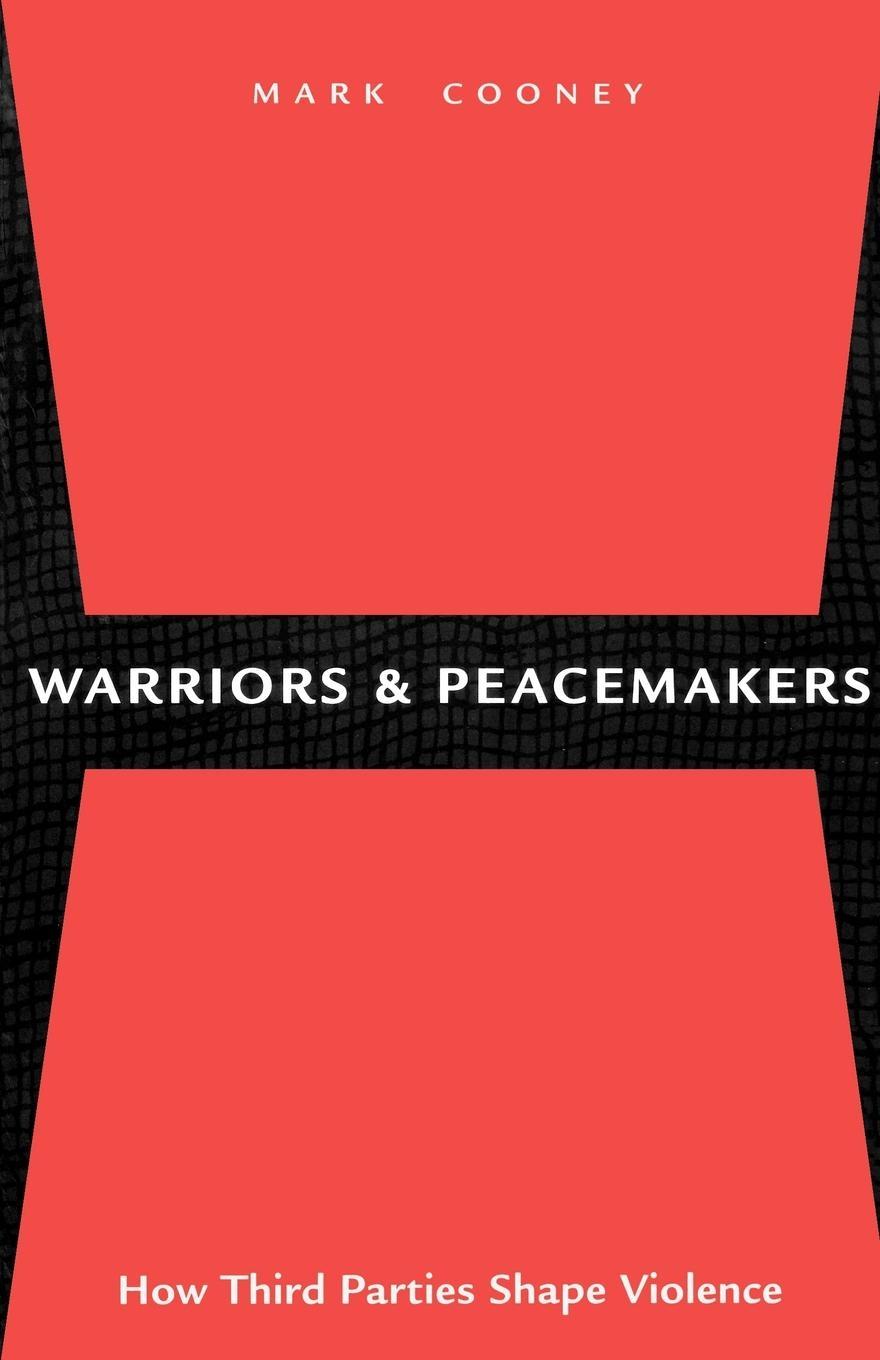
Why do some conflicts escalate into violence while others dissipate harmlessly? Under what circumstances will people kill, and why?
While homicide has been viewed largely in the pathological terms of "crime" and "deviance," violence, Mark Cooney contends, is a naturally-occurring form of conflict found throughout history and across cultures under certain social conditions. Cooney has analyzed the social control of homicide within and across over 30 societies and interviewed several dozens of prisoners incarcerated for murder or manslaughter, as well as members of their families. Violence such as homicide can only be understood, he argues, by transcending the traditional focus on the social characteristics of the killer and victims, and by looking at the role played by family members, friends, neighbors, onlookers, police officers, and judges. These third parties can be a source of peace or violence, depending on how they are configured in particular cases. Violence flourishes, Cooney demonstrates, when authority is either very strong or very weak and when third-party ties are strong and boundaries between groups sharply defined.
Drawing on recent theory in the lively new sociological speciality of conflict management, Mark Cooney has culled a vast array of evidence from modern and preindustrial societies to provide us with the first general sociological analysis of human violence.
Betal enkelt med kort, Klarna, Apple Pay eller Google Pay. Ikke fornøyd? Du har alltid 14 dagers angrerett. Les mer i våre vilkår. Har du spørsmål, send oss en e-post på hello@memmo.org.
Memmo gjør det enklere å studere – uansett hvor du er i verden. Hos oss samler du pensumbøker og smarte studieverktøy på ett og samme sted: sammendrag, quizer, podkaster og flashcards. Og så Ted, din studiekompis som svarer på alt du lurer på. Over 50 000 studenter studerer allerede her – bygget for at du skal lære raskere og stresse mindre.