
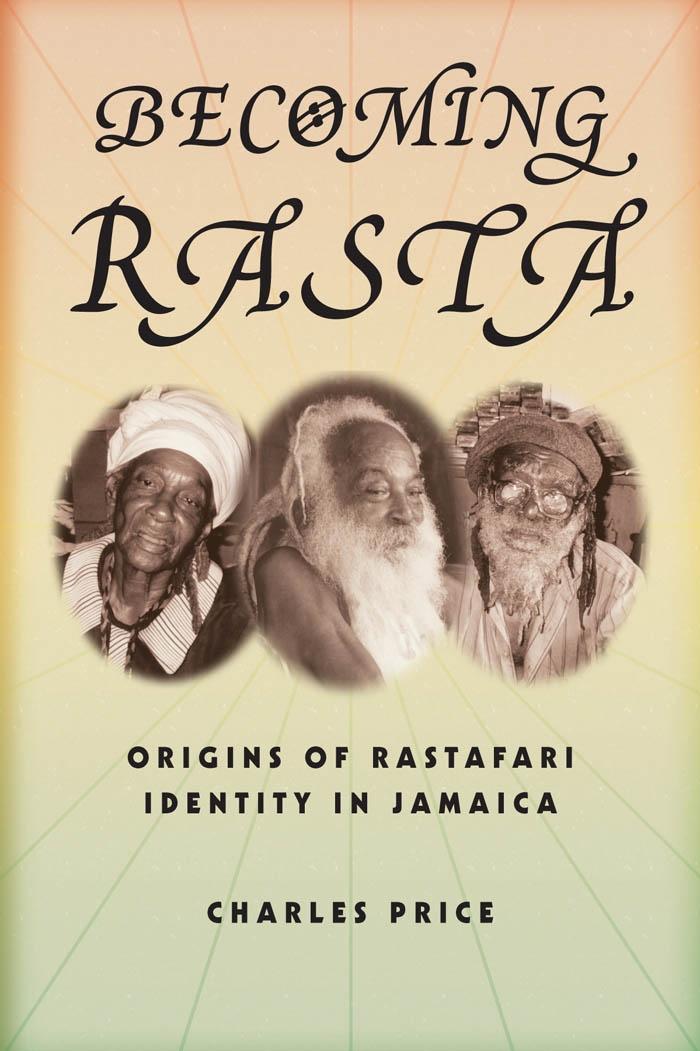
An exploration into why and how Jamaicans become Rastafari in spite of increasing incrimination of the religion
So much has been written about the Rastafari, yet we know so little about why and how people join the Rastafari movement. Although popular understandings evoke images of dreadlocks, reggae, and marijuana, Rastafarians were persecuted in their country, becoming a people seeking social justice. Yet new adherents continued to convert to Rastafari despite facing adverse reactions from their fellow citizens and from their British rulers.
Charles Price draws on in-depth interviews to reveal the personal experiences of those who adopted the religion in the 1950s to 1970s, one generation past the movement's emergence. By talking with these Rastafari elders, he seeks to understand why and how Jamaicans became Rastafari in spite of rampant discrimination, and what sustains them in their faith and identity.
Utilizing new conceptual frameworks, Price explores the identity development of Rastafari, demonstrating how shifts in the movement’s identity—from social pariah to exemplar of Blackness—have led some of the elder Rastafari to adopt, embrace, and internalize Rastafari and blackness as central to their concept of self.
Betal enkelt med kort, Klarna, Apple Pay eller Google Pay. Ikke fornøyd? Du har alltid 14 dagers angrerett. Les mer i våre vilkår. Har du spørsmål, send oss en e-post på hello@memmo.org.
Memmo gjør det enklere å studere – uansett hvor du er i verden. Hos oss samler du pensumbøker og smarte studieverktøy på ett og samme sted: sammendrag, quizer, podkaster og flashcards. Og så Ted, din studiekompis som svarer på alt du lurer på. Over 50 000 studenter studerer allerede her – bygget for at du skal lære raskere og stresse mindre.