
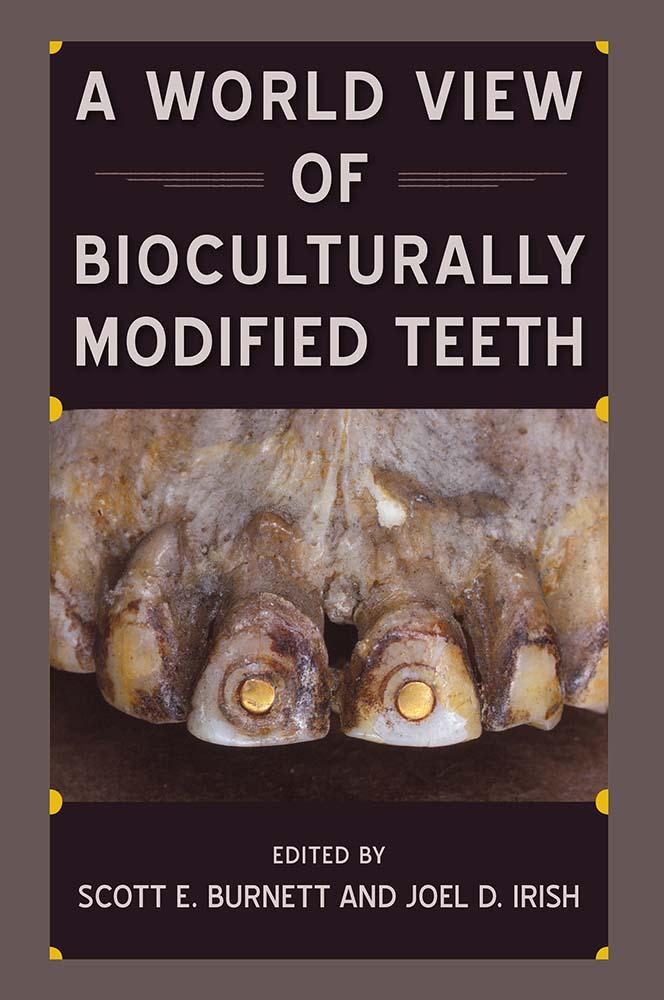
Tooth modification is the longest-lasting type of body modification and the most widespread in the archaeological record. It has been practiced throughout many time periods and on every occupied continent and conveys information about individual people, their societies, and their relationships to others. This necessary volume presents the wide spectrum of intentional dental modification in humans across the globe over the past 16,000 years.
These essays draw on research from the Americas, Africa, Asia, Oceania, and Europe. Through archaeological studies, historical and ethnographic sources, and observations of contemporary people, contributors examine instances of tooth filing, notching, inlays, dyeing, and removal. They discuss how to distinguish between these purposeful modifications of teeth and normal wear and tear or disease while demonstrating what patterns of tooth modification can reveal about people and their cultures in the past and present.
A volume in the series Bioarchaeological Interpretations of the Human Past: Local, Regional, and Global Perspectives, edited by Clark Spencer LarsenBetal enkelt med kort, Klarna, Apple Pay eller Google Pay. Ikke fornøyd? Du har alltid 14 dagers angrerett. Les mer i våre vilkår. Har du spørsmål, send oss en e-post på hello@memmo.org.
Memmo gjør det enklere å studere – uansett hvor du er i verden. Hos oss samler du pensumbøker og smarte studieverktøy på ett og samme sted: sammendrag, quizer, podkaster og flashcards. Og så Ted, din studiekompis som svarer på alt du lurer på. Over 50 000 studenter studerer allerede her – bygget for at du skal lære raskere og stresse mindre.