
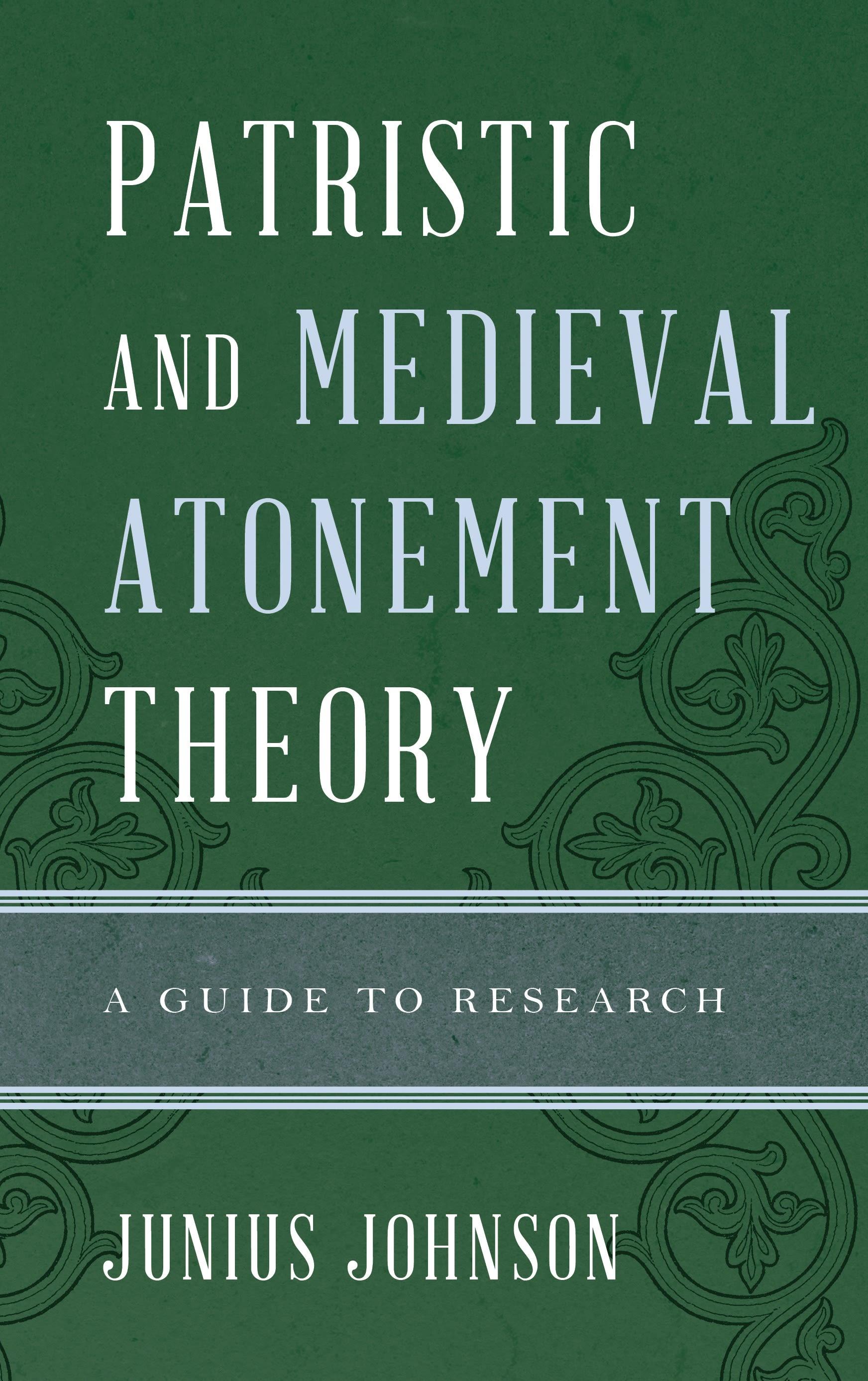
The notion of atonement, a process by which humans are made right before God, is central to the logic of Christian theology. In spite of this, major thinkers in the Christian traditions have held vastly different understandings of both the way atonement works and what it means. These differing accounts have become intellectual traditions which continue to influence both academic theology and spiritual practice today. In spite of the strong dependence of much contemporary thought on early ideas, linguistic and cultural barriers often preclude serious study of the original materials.
Patristic and Medieval Atonement Theory takes a close look at the doctrines that depend on and influence views of atonement in order to make clear what place atonement occupies within the larger system of Christian theology. Junius Johnson also considers key concepts and tensions within the doctrine of atonement itself, which may be emphasized or glossed over to create the shape of particular doctrines. Johnson's guide briefly discusses major figures in the development of Christian doctrines of atonement to the end of the Middle Ages. Johnson then turns to the major primary and secondary sources and provides an orientation to the rich literature existing on this topic.
The attention given to the anatomy of the concepts involved, the introduction to the ideas of major thinkers, and the survey of available literature makes this an essential guide for students and scholars of Christian theology of any period, as well as those who research the Middle Ages but are not specialists in theology.
Patristic and Medieval Atonement Theory takes a close look at the doctrines that depend on and influence views of atonement in order to make clear what place atonement occupies within the larger system of Christian theology. Junius Johnson also considers key concepts and tensions within the doctrine of atonement itself, which may be emphasized or glossed over to create the shape of particular doctrines. Johnson's guide briefly discusses major figures in the development of Christian doctrines of atonement to the end of the Middle Ages. Johnson then turns to the major primary and secondary sources and provides an orientation to the rich literature existing on this topic.
The attention given to the anatomy of the concepts involved, the introduction to the ideas of major thinkers, and the survey of available literature makes this an essential guide for students and scholars of Christian theology of any period, as well as those who research the Middle Ages but are not specialists in theology.
Betal enkelt med kort, Klarna, Apple Pay eller Google Pay. Ikke fornøyd? Du har alltid 14 dagers angrerett. Les mer i våre vilkår. Har du spørsmål, send oss en e-post på hello@memmo.org.
Memmo gjør det enklere å studere – uansett hvor du er i verden. Hos oss samler du pensumbøker og smarte studieverktøy på ett og samme sted: sammendrag, quizer, podkaster og flashcards. Og så Ted, din studiekompis som svarer på alt du lurer på. Over 50 000 studenter studerer allerede her – bygget for at du skal lære raskere og stresse mindre.