
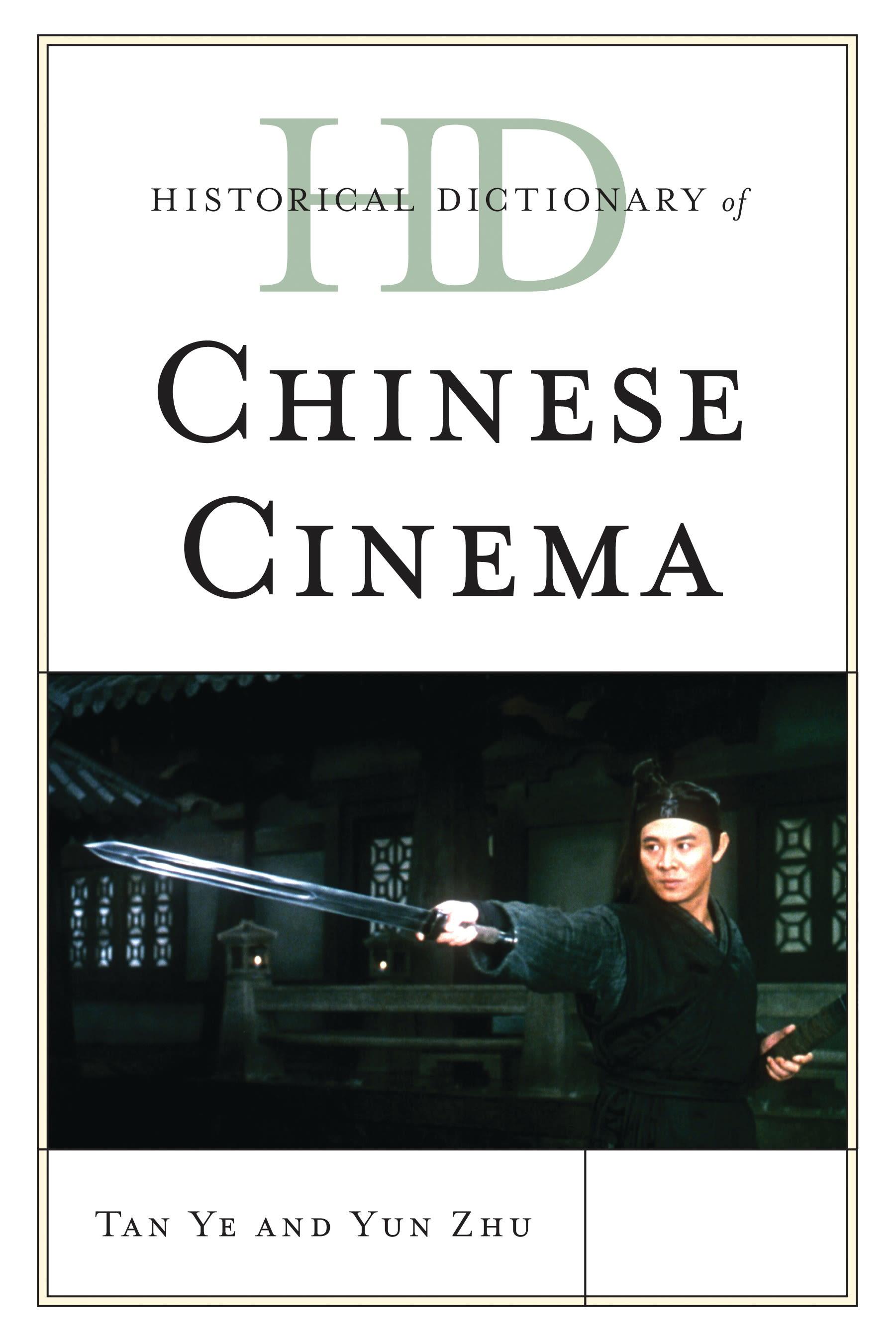
Motion pictures were first introduced to China in 1896 and today China has become a major player in the film industry. However, the story of how Chinese cinema became what it is today is an exceptionally turbulent one. It encompasses incursions by foreign powers, warfare among contending rulers, the collapse of the Chinese empire, and the massive setback of the Cultural Revolution.
The Historical Dictionary of Chinese Cinema covers the history of Chinese cinema from its very beginning in 1896 to the present. This is done through a chronology, an introductory essay, appendixes, and an extensive bibliography. The dictionary section contains several hundred cross-referenced dictionary entries on films, directors, and historical figures. This book is an excellent access point for anyone interested in Chinese cinema and for scholars interested in investigating ideas for future research.
The Historical Dictionary of Chinese Cinema covers the history of Chinese cinema from its very beginning in 1896 to the present. This is done through a chronology, an introductory essay, appendixes, and an extensive bibliography. The dictionary section contains several hundred cross-referenced dictionary entries on films, directors, and historical figures. This book is an excellent access point for anyone interested in Chinese cinema and for scholars interested in investigating ideas for future research.
Betal enkelt med kort, Klarna, Apple Pay eller Google Pay. Ikke fornøyd? Du har alltid 14 dagers angrerett. Les mer i våre vilkår. Har du spørsmål, send oss en e-post på hello@memmo.org.
Memmo gjør det enklere å studere – uansett hvor du er i verden. Hos oss samler du pensumbøker og smarte studieverktøy på ett og samme sted: sammendrag, quizer, podkaster og flashcards. Og så Ted, din studiekompis som svarer på alt du lurer på. Over 50 000 studenter studerer allerede her – bygget for at du skal lære raskere og stresse mindre.