
Almost from the moment in 1940 that Otto Frisch and Rudofl Peierls suggested, from their small office in the University of Birmingham, that an atomic weapon could be miniaturized and delivered to its target by aircraft, the concept of atomic espionage can be said to have existed. No sooner had the famous Frisch-Peierls Memorandum been received by the British War Cabinet than a Soviet mole, John Cairncross, passed the details on to his Soviet contact. And 70 years later with the International Atomic Energy Authority (IAEA) estimating that up to 40 countries now have the capability of building nuclear weapons, the need to monitor this activity remains crucial.
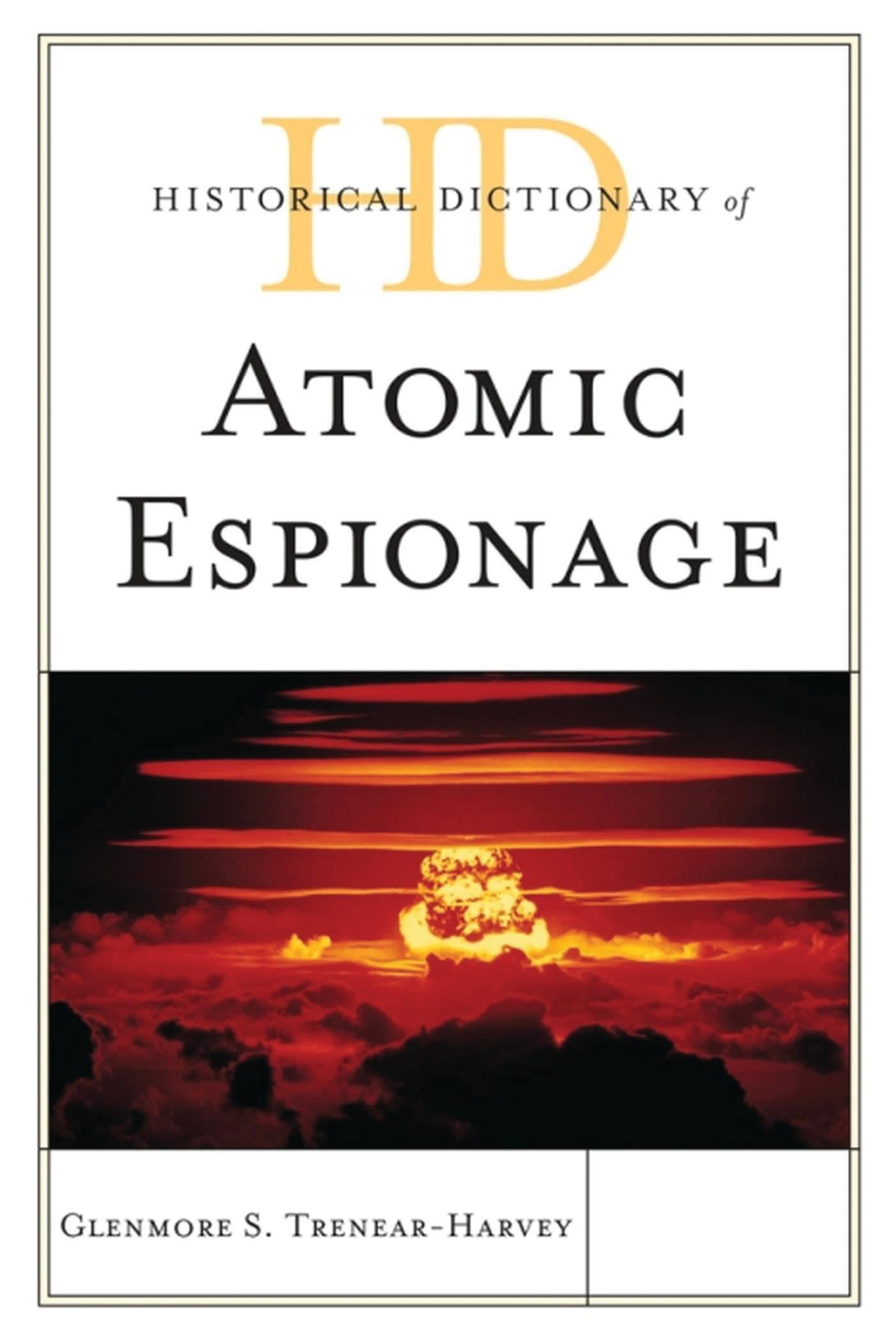
The Historical Dictionary of Atomic Espionage relates the history of atomic espionage through a chronology, an introductory essay, and cross-referenced dictionary entries on the agencies, agents, and operations. This book is an excellent access point for students, researchers, and anyone wanting to know more about atomic espionage.
The Historical Dictionary of Atomic Espionage relates the history of atomic espionage through a chronology, an introductory essay, and cross-referenced dictionary entries on the agencies, agents, and operations. This book is an excellent access point for students, researchers, and anyone wanting to know more about atomic espionage.
Betal enkelt med kort, Klarna, Apple Pay eller Google Pay. Ikke fornøyd? Du har alltid 14 dagers angrerett. Les mer i våre vilkår. Har du spørsmål, send oss en e-post på hello@memmo.org.
Memmo gjør det enklere å studere – uansett hvor du er i verden. Hos oss samler du pensumbøker og smarte studieverktøy på ett og samme sted: sammendrag, quizer, podkaster og flashcards. Og så Ted, din studiekompis som svarer på alt du lurer på. Over 50 000 studenter studerer allerede her – bygget for at du skal lære raskere og stresse mindre.