
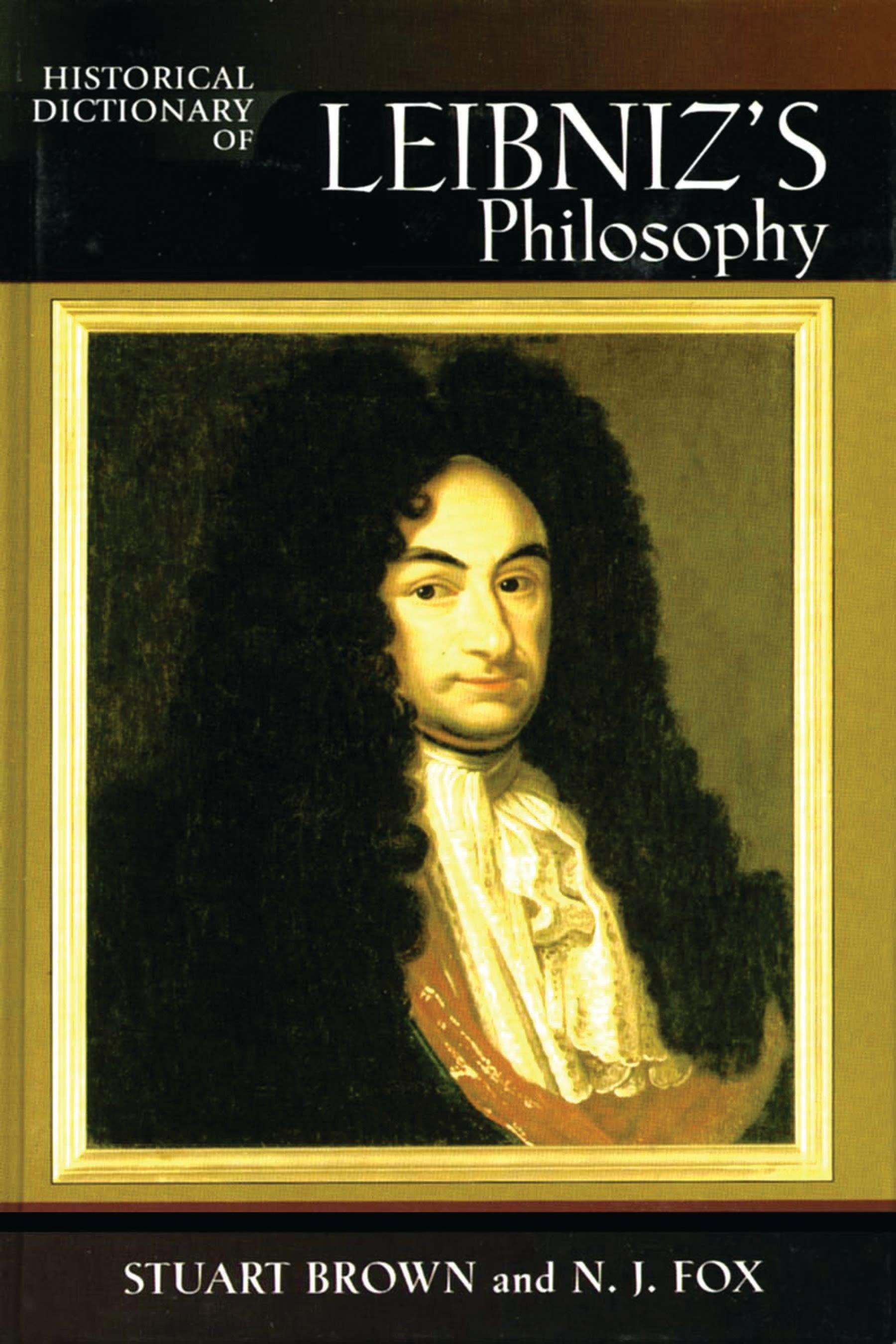
Gottfried Wilhelm Leibniz (1646-1716) was one of the first Modern philosophers, and as such, one of the most significant. His contributions were often pathbreaking and his imprint still remains on fields such as logic, mathematics, science, international law, and ethics. While publishing relatively little during his life, he was in regular correspondence with important philosophers and even political leaders.
The Historical Dictionary of Leibniz's Philosophy sheds light not only on his philosophical thought but also the impact it had on the thinking of his contemporaries. They, and he, are described in numerous cross-referenced dictionary entries. Also included are other entries that present his writings, explain his concepts, and trace his action in specific fields. The introduction sums much of this up and-along with the bibliography-provides a strong foundation for further study.
The Historical Dictionary of Leibniz's Philosophy sheds light not only on his philosophical thought but also the impact it had on the thinking of his contemporaries. They, and he, are described in numerous cross-referenced dictionary entries. Also included are other entries that present his writings, explain his concepts, and trace his action in specific fields. The introduction sums much of this up and-along with the bibliography-provides a strong foundation for further study.
Betal enkelt med kort, Klarna, Apple Pay eller Google Pay. Ikke fornøyd? Du har alltid 14 dagers angrerett. Les mer i våre vilkår. Har du spørsmål, send oss en e-post på hello@memmo.org.
Memmo gjør det enklere å studere – uansett hvor du er i verden. Hos oss samler du pensumbøker og smarte studieverktøy på ett og samme sted: sammendrag, quizer, podkaster og flashcards. Og så Ted, din studiekompis som svarer på alt du lurer på. Over 50 000 studenter studerer allerede her – bygget for at du skal lære raskere og stresse mindre.