
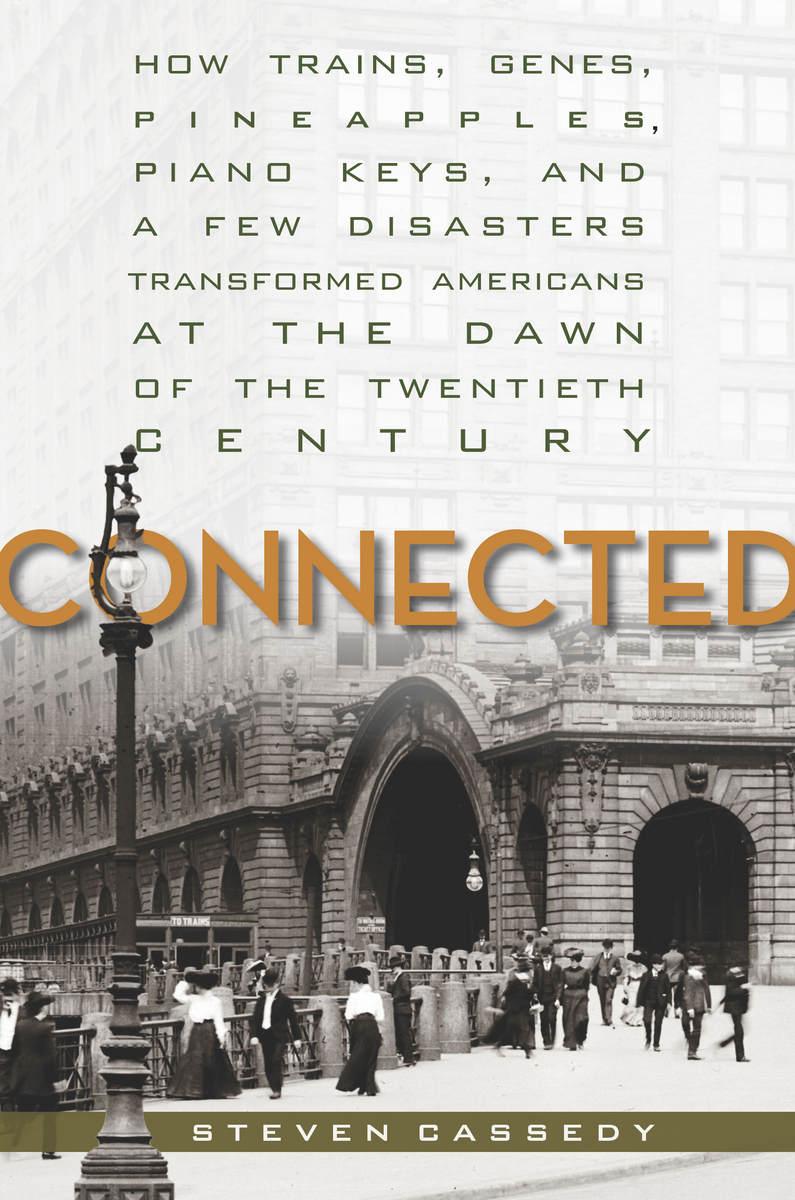
Between the end of the nineteenth century and the beginning of the twentieth, Americans underwent a dramatic transformation in self-conception: having formerly lived as individuals or members of small communities, they now found themselves living in networks, which arose out of scientific and technological innovations. There were transportation and communication networks. There was the network of the globalized marketplace, which brought into the American home exotic goods previously affordable to only a few. There was the network of standard time, which bound together all but the most rural Americans. There was the public health movement, which joined individuals to their fellow citizens by making everyone responsible for the health of everyone else. There were social networks that joined individuals to their fellows at the municipal, state, national, and global levels. Previous histories of this era focus on alienation and dislocation that new technologies caused. This book shows that American individuals in this era were more connected to their fellow citizens than ever—but by bonds that were distinctly modern.
Betal enkelt med kort, Klarna, Apple Pay eller Google Pay. Ikke fornøyd? Du har alltid 14 dagers angrerett. Les mer i våre vilkår. Har du spørsmål, send oss en e-post på hello@memmo.org.
Memmo gjør det enklere å studere – uansett hvor du er i verden. Hos oss samler du pensumbøker og smarte studieverktøy på ett og samme sted: sammendrag, quizer, podkaster og flashcards. Og så Ted, din studiekompis som svarer på alt du lurer på. Over 50 000 studenter studerer allerede her – bygget for at du skal lære raskere og stresse mindre.