
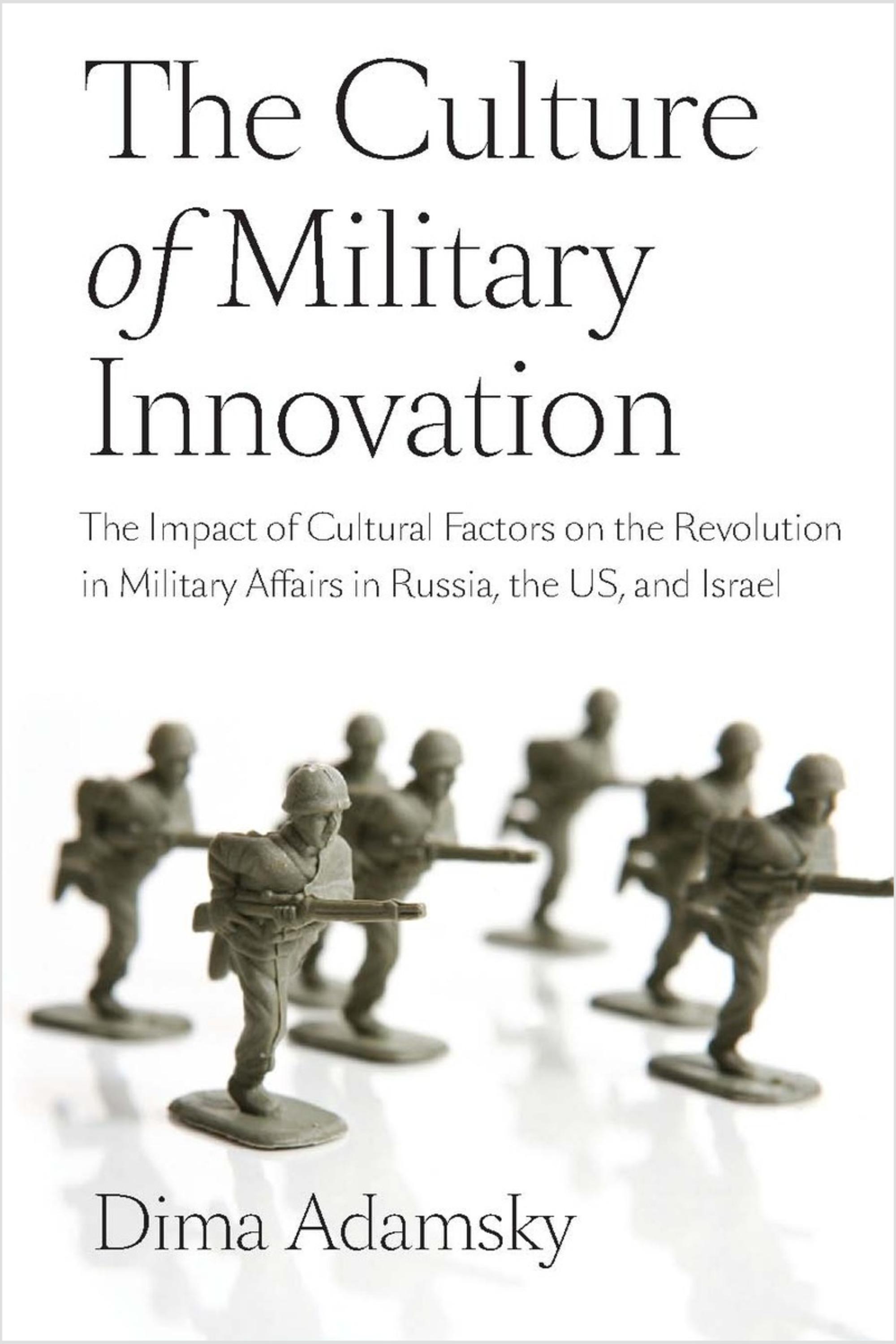
This book studies the impact of cultural factors on the course of military innovations. One would expect that countries accustomed to similar technologies would undergo analogous changes in their perception of and approach to warfare. However, the intellectual history of the Revolution in Military Affairs (RMA) in Russia, the US, and Israel indicates the opposite. The US developed technology and weaponry for about a decade without reconceptualizing the existing paradigm about the nature of warfare. Soviet 'new theory of victory' represented a conceptualization which chronologically preceded technological procurement. Israel was the first to utilize the weaponry on the battlefield, but was the last to develop a conceptual framework that acknowledged its revolutionary implications.
Utilizing primary sources that had previously been completely inaccessible, and borrowing methods of analysis from political science, history, anthropology, and cognitive psychology, this book suggests a cultural explanation for this puzzling transformation in warfare.
The Culture of Military Innovation offers a systematic, thorough, and unique analytical approach that may well be applicable in other perplexing strategic situations. Though framed in the context of specific historical experience, the insights of this book reveal important implications related to conventional, subconventional, and nonconventional security issues. It is therefore an ideal reference work for practitioners, scholars, teachers, and students of security studies.
Betal enkelt med kort, Klarna, Apple Pay eller Google Pay. Ikke fornøyd? Du har alltid 14 dagers angrerett. Les mer i våre vilkår. Har du spørsmål, send oss en e-post på hello@memmo.org.
Memmo gjør det enklere å studere – uansett hvor du er i verden. Hos oss samler du pensumbøker og smarte studieverktøy på ett og samme sted: sammendrag, quizer, podkaster og flashcards. Og så Ted, din studiekompis som svarer på alt du lurer på. Over 50 000 studenter studerer allerede her – bygget for at du skal lære raskere og stresse mindre.