
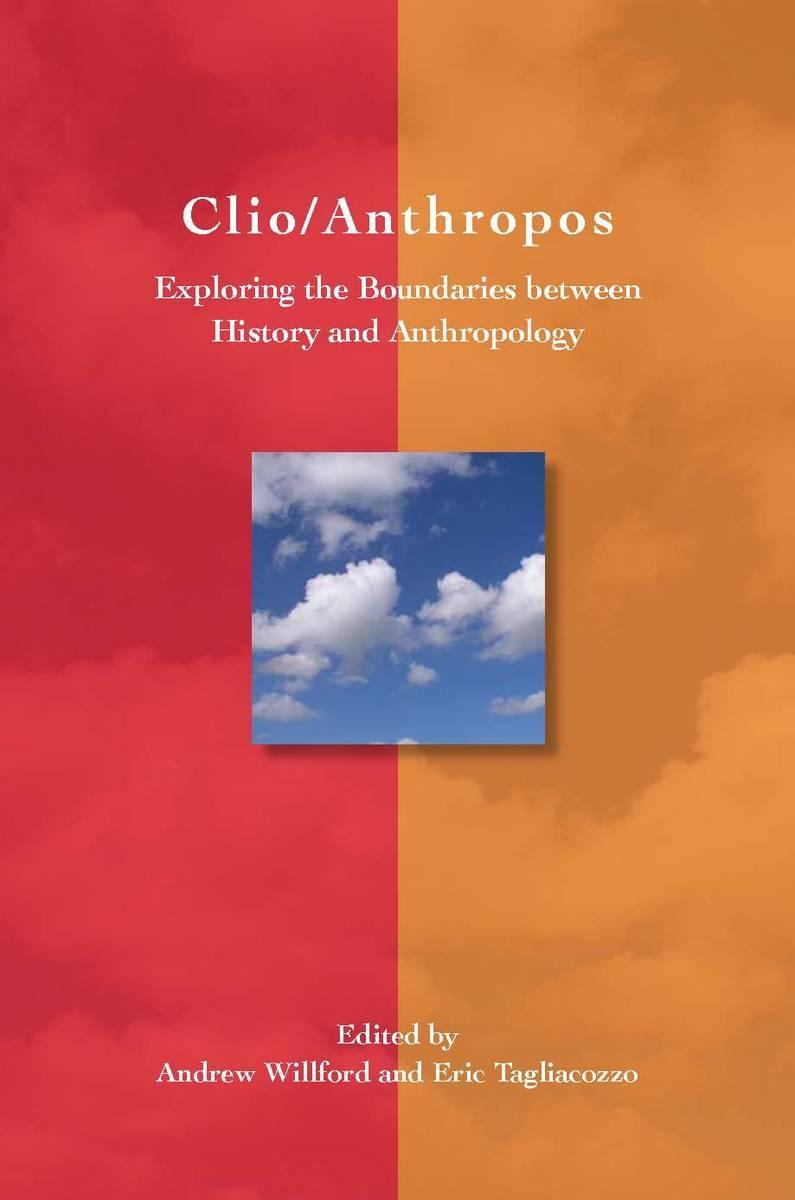
The intersection between history and anthropology is more varied now than it has ever been—a look at the shelves of bookstores and libraries proves this. Historians have increasingly looked to the methodologies of anthropologists to explain inequalities of power, problems of voicelessness, and conceptions of social change from an inside perspective. And ethnologists have increasingly relied on longitudinal visions of their subjects, inquiries framed by the lens of history rather than purely structuralist, culturalist, or functionalist visions of behavior.
The contributors have dealt with the problems and possibilities of the blurring of these boundaries in different and exciting ways. They provide further fodder for a cross-disciplinary experiment that is already well under way, describing peoples and their cultures in a world where boundaries are evermore fluid but where we all are alarmingly attached to the cataloguing and marking of national, ethnic, racial, and religious differences.
Betal enkelt med kort, Klarna, Apple Pay eller Google Pay. Ikke fornøyd? Du har alltid 14 dagers angrerett. Les mer i våre vilkår. Har du spørsmål, send oss en e-post på hello@memmo.org.
Memmo gjør det enklere å studere – uansett hvor du er i verden. Hos oss samler du pensumbøker og smarte studieverktøy på ett og samme sted: sammendrag, quizer, podkaster og flashcards. Og så Ted, din studiekompis som svarer på alt du lurer på. Over 50 000 studenter studerer allerede her – bygget for at du skal lære raskere og stresse mindre.