
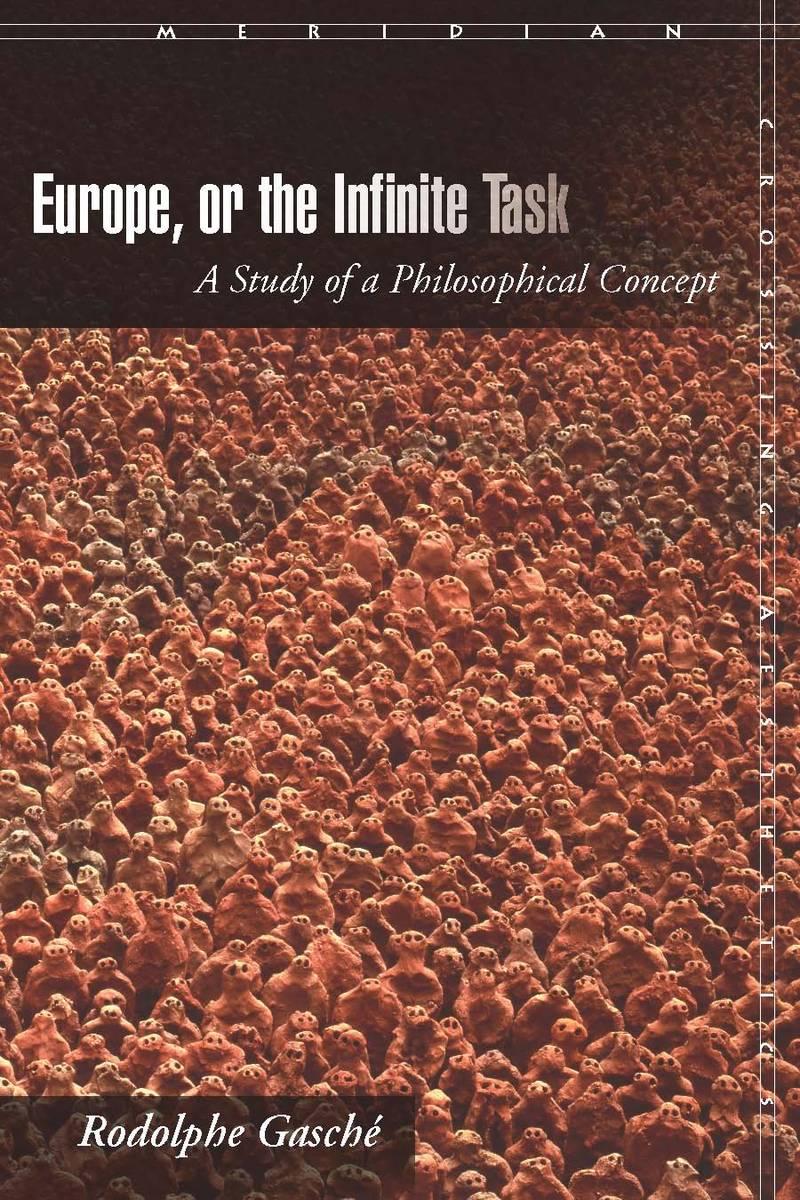
What exactly does "Europe" mean for philosophy today? Putting aside both Eurocentrism and anti-Eurocentrism, Gasché returns to the old name "Europe" to examine it as a concept or idea in the work of four philosophers from the phenomenological tradition: Husserl, Heidegger, Patočka, and Derrida. Beginning with Husserl, the idea of Europe became central to such issues as rationality, universality, openness to the other, and responsibility. Europe, or The Infinite Task tracks the changes these issues have undergone in phenomenology in order to investigate "Europe's" continuing potential for critical and enlightened resistance in a world that is progressively becoming dominated by the mono-perspectivism of global market economics. Rather than giving up on the idea of Europe as an anachronism, Gasché aims to show that it still has philosophical legs.
Betal enkelt med kort, Klarna, Apple Pay eller Google Pay. Ikke fornøyd? Du har alltid 14 dagers angrerett. Les mer i våre vilkår. Har du spørsmål, send oss en e-post på hello@memmo.org.
Memmo gjør det enklere å studere – uansett hvor du er i verden. Hos oss samler du pensumbøker og smarte studieverktøy på ett og samme sted: sammendrag, quizer, podkaster og flashcards. Og så Ted, din studiekompis som svarer på alt du lurer på. Over 50 000 studenter studerer allerede her – bygget for at du skal lære raskere og stresse mindre.