
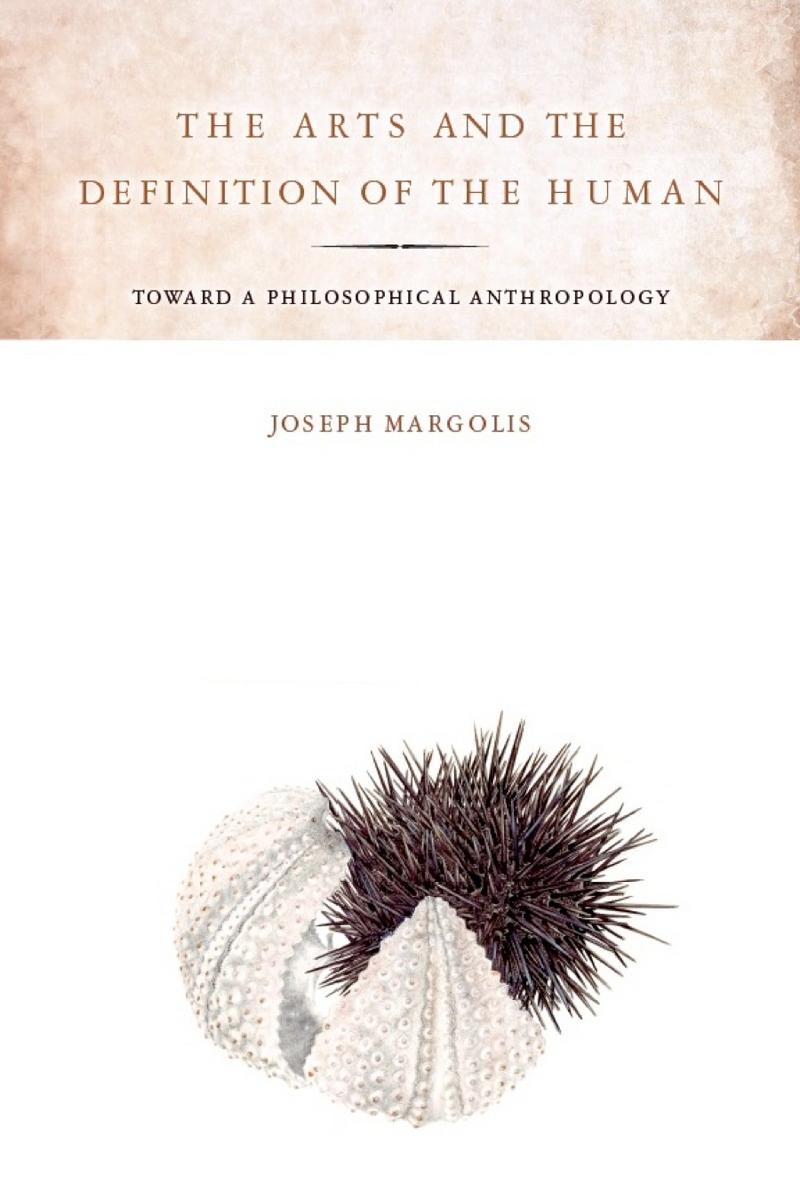
The Arts and the Definition of the Human introduces a novel theory that our selves—our thoughts, perceptions, creativity, and other qualities that make us human—are determined by our place in history, and more particularly by our culture and language. Margolis rejects the idea that any concepts or truths remain fixed and objective through the flow of history and reveals that this theory of the human being (or "philosophical anthropology") as culturally determined and changing is necessary to make sense of art. He shows that a painting, sculpture, or poem cannot have a single correct interpretation because our creation and perception of art will always be mitigated by our historical and cultural contexts. Calling upon philosophers ranging from Parmenides and Plato to Kant, Hegel, and Wittgenstein, art historians from Damisch to Elkins, artists from Van Eyck to Michelangelo to Wordsworth to Duchamp, Margolis creates a philosophy of art interwoven with his philosophical anthropology which pointedly challenges prevailing views of the fine arts and the nature of personhood.
Betal enkelt med kort, Klarna, Apple Pay eller Google Pay. Ikke fornøyd? Du har alltid 14 dagers angrerett. Les mer i våre vilkår. Har du spørsmål, send oss en e-post på hello@memmo.org.
Memmo gjør det enklere å studere – uansett hvor du er i verden. Hos oss samler du pensumbøker og smarte studieverktøy på ett og samme sted: sammendrag, quizer, podkaster og flashcards. Og så Ted, din studiekompis som svarer på alt du lurer på. Over 50 000 studenter studerer allerede her – bygget for at du skal lære raskere og stresse mindre.