
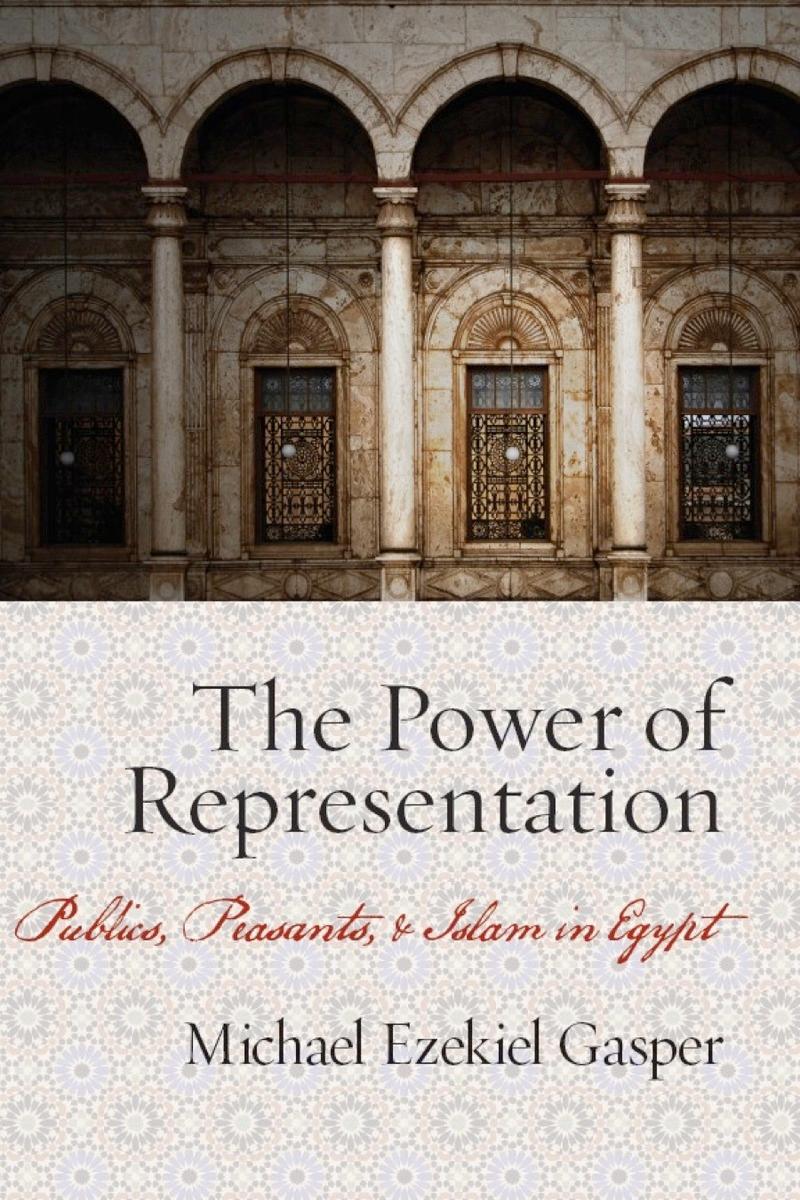
The Power of Representation traces the emergence of modern Egyptian national identity from the mid-1870s through the 1910s. During this period, a new class of Egyptian urban intellectuals—teachers, lawyers, engineers, clerks, accountants, and journalists—came into prominence. Adapting modern ideas of individual moral autonomy and universal citizenship, this group reconfigured religiously informed notions of the self and created a national sense of "Egyptian-ness" drawn from ideas about Egypt's large peasant population.
The book breaks new ground by calling into question the notion, common in historiography of the modern Middle East and the Muslim world in general, that in the nineteenth century "secular" aptitudes and areas of competency were somehow separate from "religious" ones. Instead, by tying the burgeoning Islamic modernist movement to the process of identity formation and its attendant political questions Michael Gasper shows how religion became integral to modern Egyptian political, social, and cultural life.
Betal enkelt med kort, Klarna, Apple Pay eller Google Pay. Ikke fornøyd? Du har alltid 14 dagers angrerett. Les mer i våre vilkår. Har du spørsmål, send oss en e-post på hello@memmo.org.
Memmo gjør det enklere å studere – uansett hvor du er i verden. Hos oss samler du pensumbøker og smarte studieverktøy på ett og samme sted: sammendrag, quizer, podkaster og flashcards. Og så Ted, din studiekompis som svarer på alt du lurer på. Over 50 000 studenter studerer allerede her – bygget for at du skal lære raskere og stresse mindre.