
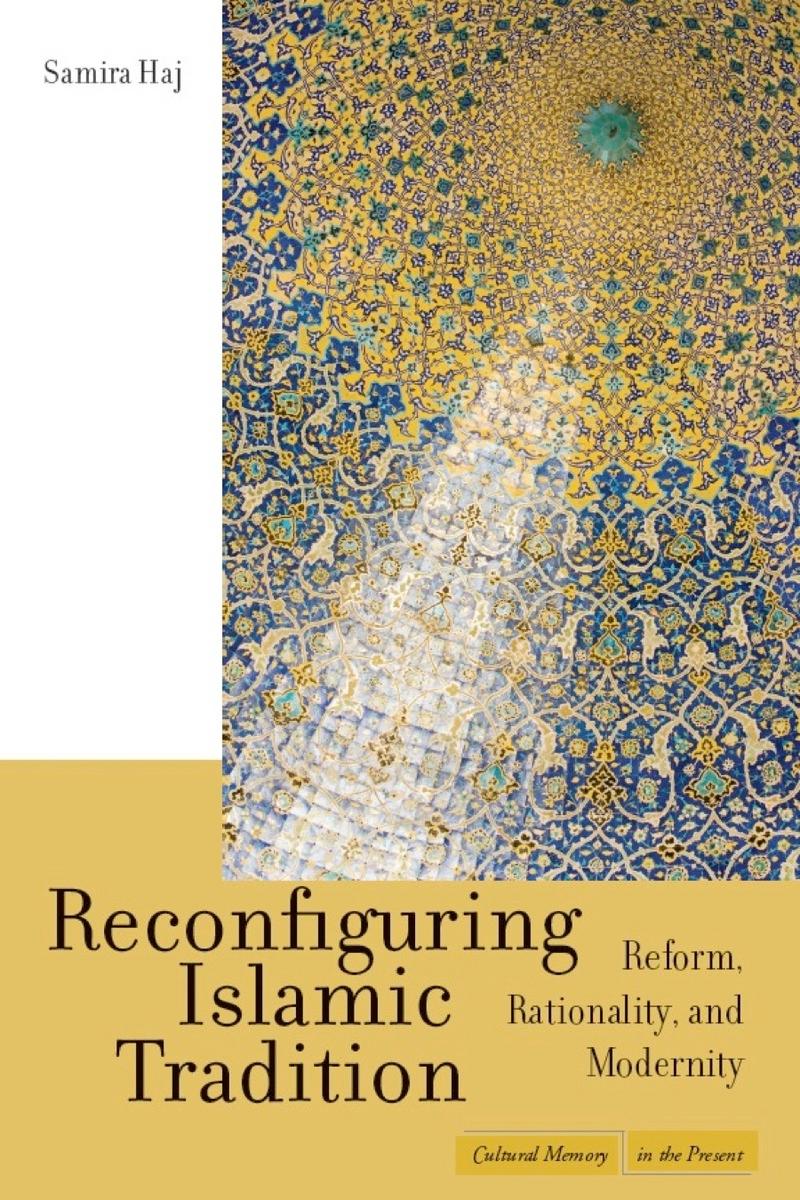
Samira Haj conceptualizes Islam through a close reading of two Muslim reformers—Muhammad ibn 'Abdul Wahhab (1703–1787) and Muhammad 'Abduh (1849–1905)—each representative of a distinct trend, chronological as well as philosophical, in modern Islam. Their works are examined primarily through the prism of two conceptual questions: the idea of the modern and the formation of a Muslim subject. Approaching Islam through the works of these two Muslims, she illuminates aspects of Islamic modernity that have been obscured and problematizes assumptions founded on the oppositional dichotomies of modern/traditional, secular/sacred, and liberal/fundamentalist. The book explores the notions of the community-society and the subject's location within it to demonstrate how Muslims in different historical contexts responded differently to theological and practical questions. This knowledge will help us better understand the conflicts currently unfolding in parts of the Arab world.
Betal enkelt med kort, Klarna, Apple Pay eller Google Pay. Ikke fornøyd? Du har alltid 14 dagers angrerett. Les mer i våre vilkår. Har du spørsmål, send oss en e-post på hello@memmo.org.
Memmo gjør det enklere å studere – uansett hvor du er i verden. Hos oss samler du pensumbøker og smarte studieverktøy på ett og samme sted: sammendrag, quizer, podkaster og flashcards. Og så Ted, din studiekompis som svarer på alt du lurer på. Over 50 000 studenter studerer allerede her – bygget for at du skal lære raskere og stresse mindre.