
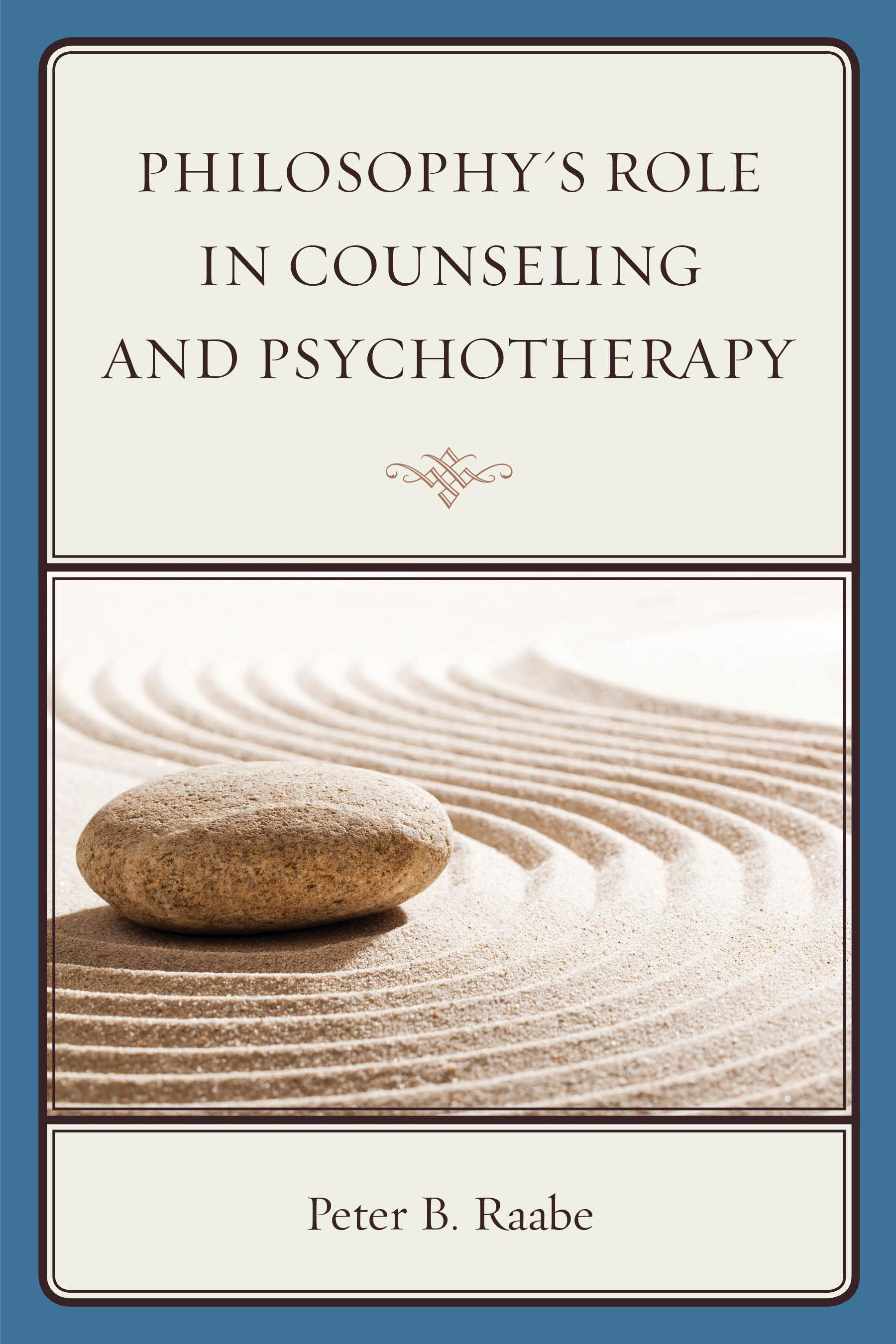
In Philosophy's Role in Counseling and Psychotherapy, Peter Raabe argues that philosophy is an effective method in treating mental illness. Calling for a paradigm shift away from the standard belief that the brain and mind are identical Raabe argues that so-called “mental illnesses” such as depression and schizophrenia are not the actual causes of psychological misery. Instead, they are just labels for symptoms. For example, the word “depression” is merely a label attached to a collection of symptoms such as sadness, hopelessness, and low self-esteem. Raabe posits that distressing or painful life events can cause symptoms that are often clinically labeled as the mental illness of depression. The suffering brought on by painful life events can often be alleviated with helpful discussions, and without resorting to medications. Because philosophy is the foremost form of discussion, it means that the suffering that is labeled mental illness can be treated and even cured with philosophy. Raabe ultimately concludes that philosophy is beneficial in three ways: it can prevent the onset of a so-called mental illness in the person who studies it, it can be used to help individuals suffering from the distress that is labeled “mental illness,” and it will enhance the competence of the counselor or therapist who practices it.
Betal enkelt med kort, Klarna, Apple Pay eller Google Pay. Ikke fornøyd? Du har alltid 14 dagers angrerett. Les mer i våre vilkår. Har du spørsmål, send oss en e-post på hello@memmo.org.
Memmo gjør det enklere å studere – uansett hvor du er i verden. Hos oss samler du pensumbøker og smarte studieverktøy på ett og samme sted: sammendrag, quizer, podkaster og flashcards. Og så Ted, din studiekompis som svarer på alt du lurer på. Over 50 000 studenter studerer allerede her – bygget for at du skal lære raskere og stresse mindre.