
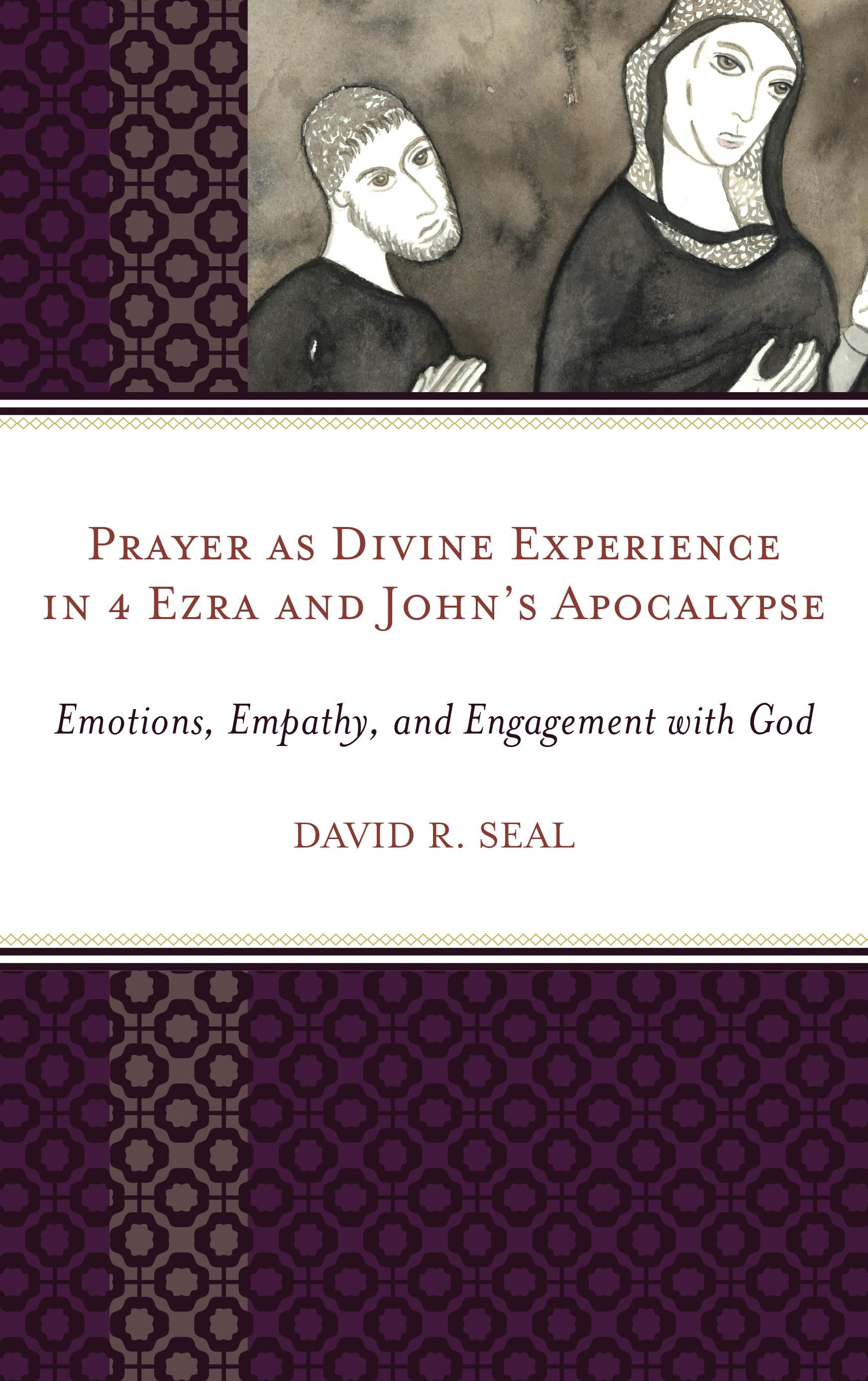
Do humans have a special capacity designed to foster experiences of God? What role do specific bodily actions or emotions play in the cultivation of a divine experience? Prayer as Divine Experience in 4 Ezra and John’s Apocalypse: Emotion, Empathy, and Engagement with God explores these questions in a systematic study of the emotions in two apocalyptic texts. The book of 4 Ezra, an ancient Jewish apocalypse, and the book of Revelation, an ancient Christian Apocalypse written by John, are examined with a focus on the emotional language of the prayers and prayer preludes contained in this literature. Both texts were composed in the first-century of the Common Era, a time when most people exposed to literature heard the content as it was recited. The emotive language in these writings could potentially arouse similar emotions in the readers or hearers of these texts, allowing the person to have access to the divine experiences, which are described by the seer in 4 Ezra and are expressed by the angelic choir in John’s Apocalypse. Prior to examining the prayers, Prayer as Divine Experience will describe the neurological processes that cause a person to mirror the emotions expressed by another individual, thereby prompting an imitation of the experience that is perceived.
Betal enkelt med kort, Klarna, Apple Pay eller Google Pay. Ikke fornøyd? Du har alltid 14 dagers angrerett. Les mer i våre vilkår. Har du spørsmål, send oss en e-post på hello@memmo.org.
Memmo gjør det enklere å studere – uansett hvor du er i verden. Hos oss samler du pensumbøker og smarte studieverktøy på ett og samme sted: sammendrag, quizer, podkaster og flashcards. Og så Ted, din studiekompis som svarer på alt du lurer på. Over 50 000 studenter studerer allerede her – bygget for at du skal lære raskere og stresse mindre.