
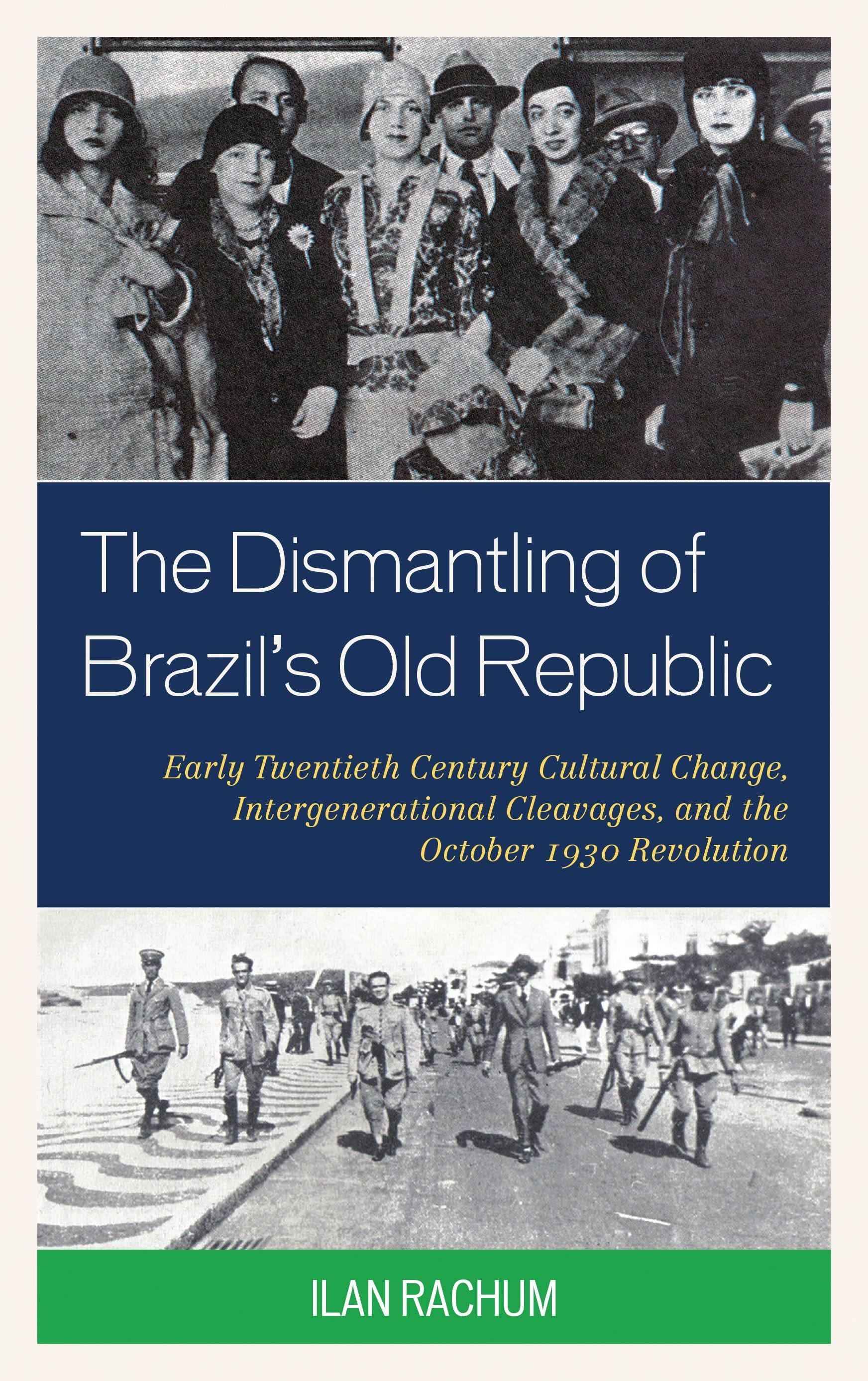
In the years 1922–1930 Brazil's political and cultural arenas were bestirred by distinct movements of protest and demand for change, forcing a great shift in the manner Brazilians perceived themselves and their country, and shaping a national climate of opinion which led to a revolution and substantial reforms. This book follows the progression of these events, with special focus on the rebelling young military officers and the modernist artists, highlighting their internal controversies and evolving ideologies. Additional coverage is given to the growing demands for change among the urban population, particularly as articulated by the daily press, and to intellectuals who expressed their opinions on pressing national problems, all of which attest to not only a change of ideas but an initial polarization into opposing and rival political currents. Unlike other historians, the comprehensive answers presented here by the author, with regard to the underlying causes of the transition, stress the impact of early twentieth century cultural change.
Betal enkelt med kort, Klarna, Apple Pay eller Google Pay. Ikke fornøyd? Du har alltid 14 dagers angrerett. Les mer i våre vilkår. Har du spørsmål, send oss en e-post på hello@memmo.org.
Memmo gjør det enklere å studere – uansett hvor du er i verden. Hos oss samler du pensumbøker og smarte studieverktøy på ett og samme sted: sammendrag, quizer, podkaster og flashcards. Og så Ted, din studiekompis som svarer på alt du lurer på. Over 50 000 studenter studerer allerede her – bygget for at du skal lære raskere og stresse mindre.