
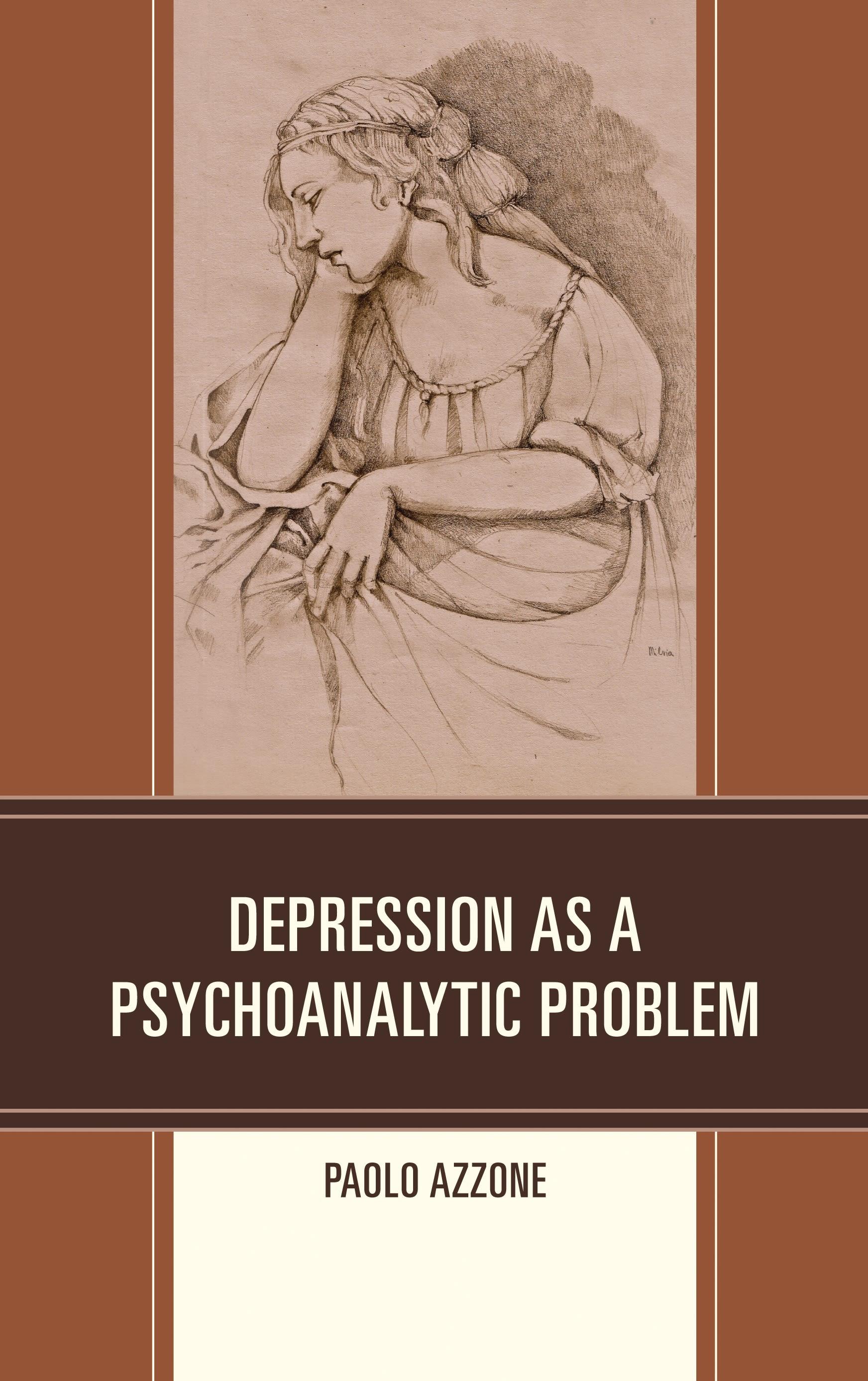
Over the past few decades, psychoanalysis and dynamic psychiatry have been steadily stepping back from a key role in the understanding and treatment of depressive disorders. This book investigates the basis for such retreat by delving into the history of medicine, philosophy, religion, and literature. It unveils the social motives for the overwhelming consensus currently gathered by the biomedical model of depression. The book then moves on to discuss at depth psychoanalytic literature on depression and reveals how it possesses an enormous explanatory power for depression symptoms. This approach allows the author to offer readers a comprehensive, dynamically-oriented model of symptom formation in depression.
Betal enkelt med kort, Klarna, Apple Pay eller Google Pay. Ikke fornøyd? Du har alltid 14 dagers angrerett. Les mer i våre vilkår. Har du spørsmål, send oss en e-post på hello@memmo.org.
Memmo gjør det enklere å studere – uansett hvor du er i verden. Hos oss samler du pensumbøker og smarte studieverktøy på ett og samme sted: sammendrag, quizer, podkaster og flashcards. Og så Ted, din studiekompis som svarer på alt du lurer på. Over 50 000 studenter studerer allerede her – bygget for at du skal lære raskere og stresse mindre.