
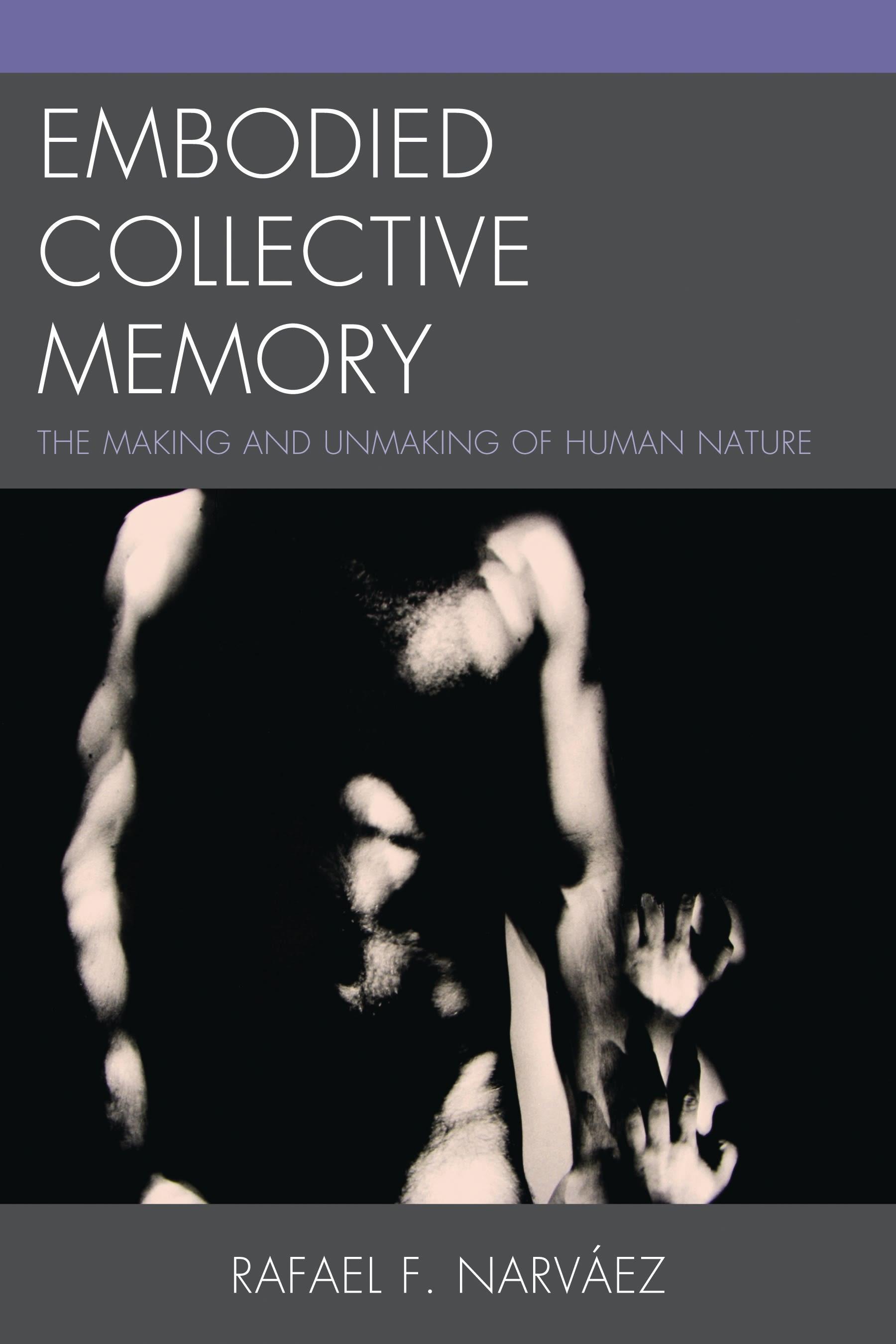
The human body is not a given fact; it is not, as Descartes believed, a “machine made up of flesh and bones.” The body is acquired, achieved, and learned. It is thus full of mimetic and mnemonic implications. The body remembers, and it does so in collectively relevant ways. Gestures, corporeal and phonetic rhythms, affective idioms, and emotional styles — perceptual, sensorial, motoric, and affective schemata — are all largely learned in shared social contexts.
These aspects of the embodied experience are often consigned to habit, to bodily automatisms, and to corporeal memories that reflect aspects of culture. But if the body reflects certain aspects of culture that press to become naturalized and organically attached to social actors, it also resists these kinds of cultural pressures. These adaptive and resistive dynamics, as this book shows, are not without consequences for individuals and groups. These processes can result in both advantages and disadvantages for social actors. They can take us toward certain futures while foreclosing others. It is therefore necessary to understand how, why, and to what extent corporeal memories are constructed but also resisted, modified, or created anew.
These aspects of the embodied experience are often consigned to habit, to bodily automatisms, and to corporeal memories that reflect aspects of culture. But if the body reflects certain aspects of culture that press to become naturalized and organically attached to social actors, it also resists these kinds of cultural pressures. These adaptive and resistive dynamics, as this book shows, are not without consequences for individuals and groups. These processes can result in both advantages and disadvantages for social actors. They can take us toward certain futures while foreclosing others. It is therefore necessary to understand how, why, and to what extent corporeal memories are constructed but also resisted, modified, or created anew.
Betal enkelt med kort, Klarna, Apple Pay eller Google Pay. Ikke fornøyd? Du har alltid 14 dagers angrerett. Les mer i våre vilkår. Har du spørsmål, send oss en e-post på hello@memmo.org.
Memmo gjør det enklere å studere – uansett hvor du er i verden. Hos oss samler du pensumbøker og smarte studieverktøy på ett og samme sted: sammendrag, quizer, podkaster og flashcards. Og så Ted, din studiekompis som svarer på alt du lurer på. Over 50 000 studenter studerer allerede her – bygget for at du skal lære raskere og stresse mindre.