
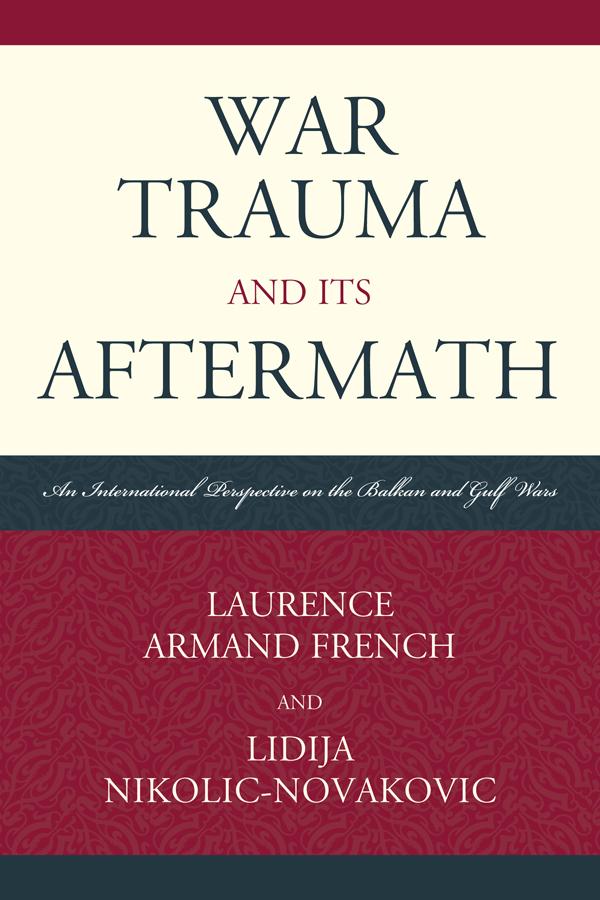
War trauma has long been associated with post-traumatic stress disorder (PTSD), a term coined in 1980 to explain the post-war impact of Vietnam veterans. The Gulf and Balkan wars added new dimensions to the traditional PTSD definition, due largely to the changing dynamics of these wars. With these wars came unprecedented use of reserve and National Guard personnel in U.S. forces along with the largest contingent of female military personnel to date. Rapid deployment, sexual assaults, and suicides surfaced as paramount untreated problems within coalition force. Rapes, torture, suicides, and a high prevalence of untreated civilian victims of the Balkan wars added to the new dimensions of the traumatic stress continuum. Suicide bombers and roadside bombings added to the definition of combat stress, as military personnel in Iraq and Afghanistan were forced to be constantly vigilant for these attacks—regardless of whether they served in combat areas.
Betal enkelt med kort, Klarna, Apple Pay eller Google Pay. Ikke fornøyd? Du har alltid 14 dagers angrerett. Les mer i våre vilkår. Har du spørsmål, send oss en e-post på hello@memmo.org.
Memmo gjør det enklere å studere – uansett hvor du er i verden. Hos oss samler du pensumbøker og smarte studieverktøy på ett og samme sted: sammendrag, quizer, podkaster og flashcards. Og så Ted, din studiekompis som svarer på alt du lurer på. Over 50 000 studenter studerer allerede her – bygget for at du skal lære raskere og stresse mindre.