
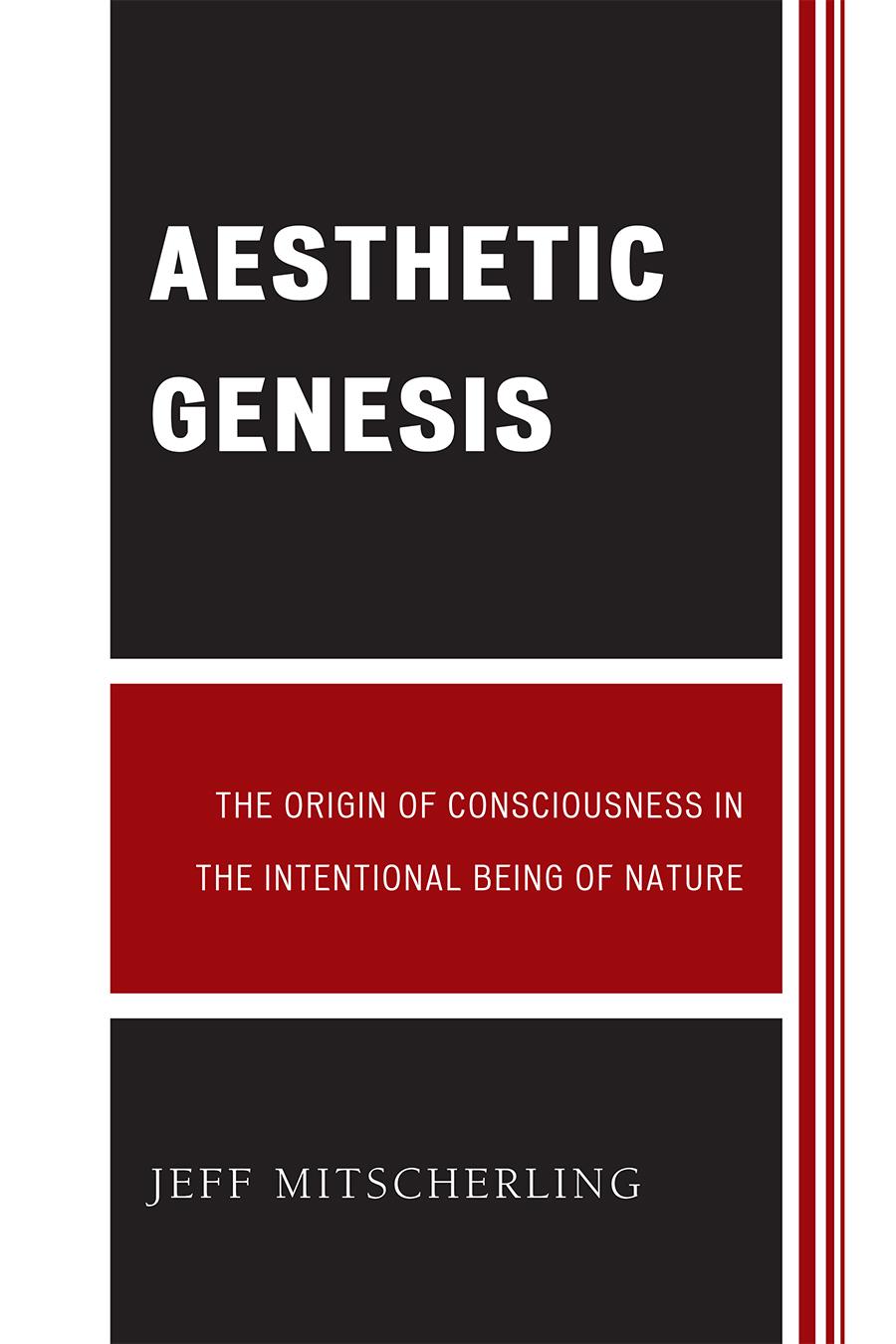
In Aesthetic Genesis, the author argues for a reversal of the most fundamental tenet of phenomenology-namely, that all consciousness is intentional (that is, directed toward an object). Mitscherling suggests, as a new "Copernican hypothesis," that intentionality (i.e., directionality) gives rise to consciousness. This book describes not only the origin, or "genesis," of human cognition in sensation, but also the genesis of sensation from intentional structures belonging to nature itself. A phenomenological examination of our experience leads to the conclusion that the two sorts of being generally recognized by contemporary science and philosophy-that is, material being and ideal being-prove ontologically inadequate to account for this experience. Mitscherling rehabilitates the pre-modern concepts of "intentional being" and "formal causality" and employs them in the construction of a comprehensive phenomenological analysis of embodiment, aesthetic experience, the interpretation of texts, moral behavior, and cognition in general.
Betal enkelt med kort, Klarna, Apple Pay eller Google Pay. Ikke fornøyd? Du har alltid 14 dagers angrerett. Les mer i våre vilkår. Har du spørsmål, send oss en e-post på hello@memmo.org.
Memmo gjør det enklere å studere – uansett hvor du er i verden. Hos oss samler du pensumbøker og smarte studieverktøy på ett og samme sted: sammendrag, quizer, podkaster og flashcards. Og så Ted, din studiekompis som svarer på alt du lurer på. Over 50 000 studenter studerer allerede her – bygget for at du skal lære raskere og stresse mindre.