
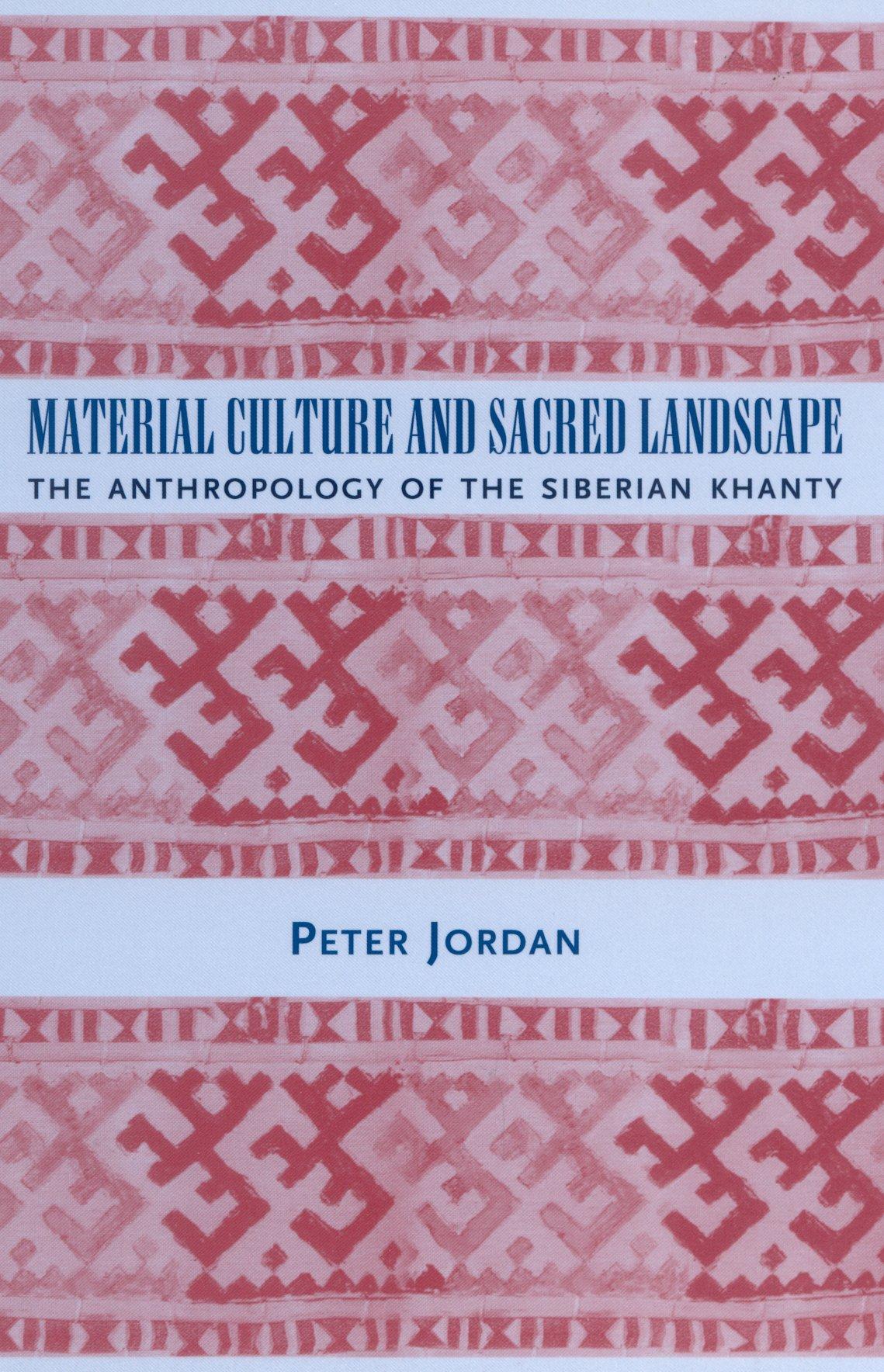
This study provides a concrete example of how foraging societies enculturate and transform the natural environment and, through the use of material objects, create sacred spaces and sites. Using ethnographic and ethnohistorical information about the Khanty of Siberia, Jordan shows the shortcomings of both interpretive and materialist anthropological theorizing about hunters and gatherers. He focuses on the rich and complex relationship between the symbolism of the Khanty, their material culture, and the bringing of meaning to physical places. His examination looks at the topic in both historical and contemporary contexts, and in scales from the core-periphery model of Russian colonialism to the portrait of a single yurt community. Jordan's work will be of importance to those studying cultural anthropology, archaeology, and comparative religion.
Betal enkelt med kort, Klarna, Apple Pay eller Google Pay. Ikke fornøyd? Du har alltid 14 dagers angrerett. Les mer i våre vilkår. Har du spørsmål, send oss en e-post på hello@memmo.org.
Memmo gjør det enklere å studere – uansett hvor du er i verden. Hos oss samler du pensumbøker og smarte studieverktøy på ett og samme sted: sammendrag, quizer, podkaster og flashcards. Og så Ted, din studiekompis som svarer på alt du lurer på. Over 50 000 studenter studerer allerede her – bygget for at du skal lære raskere og stresse mindre.