
I.B. Tauris in association with the Institute of Ismaili Studies
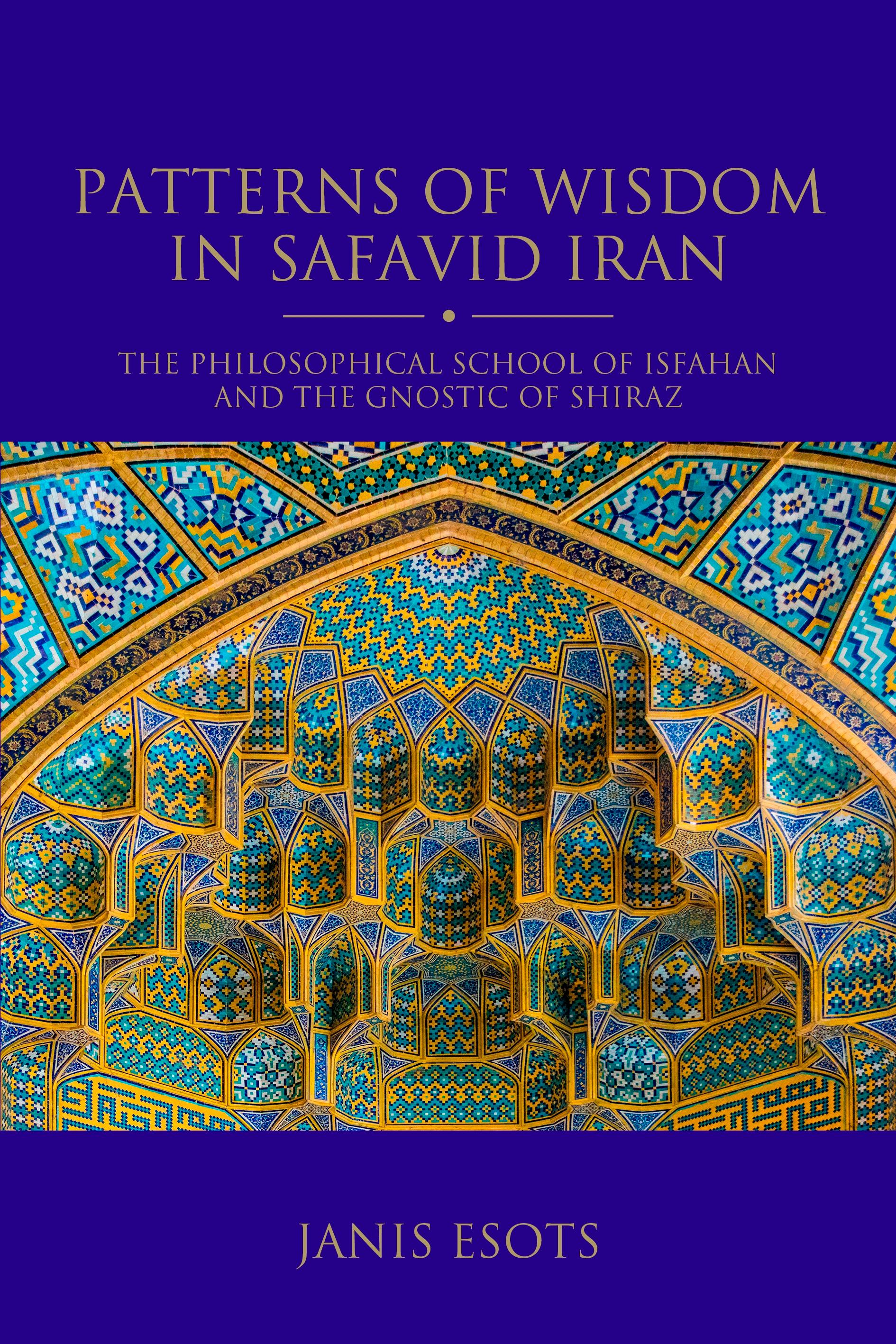
The exceptional intellectual richness of seventeenth-century Safavid Iran is epitomised by the philosophical school of Isfahan, and in particular by its ostensible founder, Mir Damad (d. 1631), and his great student Mulla Sadra (aka Sadr al-Din Shirazi, d. 1636). Equally important to the school is the apophatic wisdom of Rajab 'Ali Tabrizi that followed later (d. 1669/70).
However, despite these philosophers' renown, the identification of the 'philosophical school of Isfahan' was only proposed in 1956, by the celebrated French Iranologist Henry Corbin, who noted the unifying Islamic Neoplatonist character of some 20 thinkers and spiritual figures; this grouping has subsequently remained unchallenged for some fifty years.
In this highly original work, Janis Esots investigates the legitimacy of the term 'school', delving into the complex philosophies of these three major Shi'i figures and drawing comparisons between them. The author makes the case that Mulla Sadra's thought is independent and actually incompatible with the thoughts of Mir Damad and Rajab Ali Tabrizi. This not only presents a new way of thinking about how we understand the 'school of Isfahan', it also identifies Mir Damad and Rajab Ali Tabrizi as pioneers in their own right.
The exceptional intellectual richness of seventeenth-century Safavid Iran is epitomised by the philosophical school of Isfahan, and in particular by its ostensible founder, Mir Damad (d. 1631), and his great student Mulla Sadra (aka Sadr al-Din Shirazi, d. 1636). Equally important to the school is the apophatic wisdom of Rajab 'Ali Tabrizi that followed later (d. 1669/70).
However, despite these philosophers' renown, the identification of the 'philosophical school of Isfahan' was only proposed in 1956, by the celebrated French Iranologist Henry Corbin, who noted the unifying Islamic Neoplatonist character of some 20 thinkers and spiritual figures; this grouping has subsequently remained unchallenged for some fifty years.
In this highly original work, Janis Esots investigates the legitimacy of the term 'school', delving into the complex philosophies of these three major Shi'i figures and drawing comparisons between them. The author makes the case that Mulla Sadra's thought is independent and actually incompatible with the thoughts of Mir Damad and Rajab Ali Tabrizi. This not only presents a new way of thinking about how we understand the 'school of Isfahan', it also identifies Mir Damad and Rajab Ali Tabrizi as pioneers in their own right.
Betal enkelt med kort, Klarna, Apple Pay eller Google Pay. Ikke fornøyd? Du har alltid 14 dagers angrerett. Les mer i våre vilkår. Har du spørsmål, send oss en e-post på hello@memmo.org.
Memmo gjør det enklere å studere – uansett hvor du er i verden. Hos oss samler du pensumbøker og smarte studieverktøy på ett og samme sted: sammendrag, quizer, podkaster og flashcards. Og så Ted, din studiekompis som svarer på alt du lurer på. Over 50 000 studenter studerer allerede her – bygget for at du skal lære raskere og stresse mindre.