
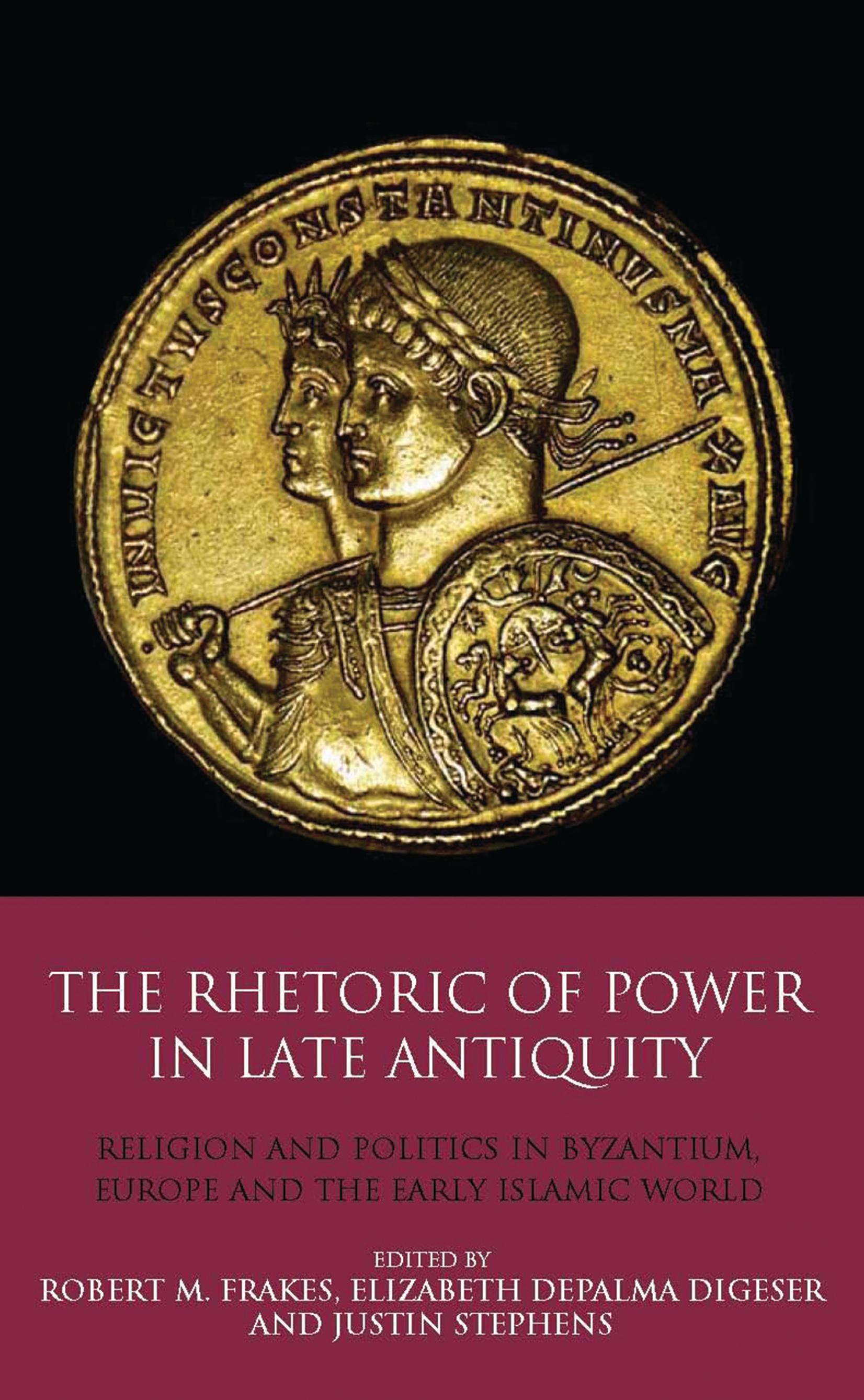
Late Antiquity, the period of transition from the crisis of Roman Empire in the third century to the Middle Ages, has traditionally been considered only in terms of the 'decline' from classical standards. Recent classical scholarship strives to consider this period on its own terms. Taking the reign of Constantine the Great as its starting point, this book examines the unique intersection of rhetoric, religion and politics in Late Antiquity. Expert scholars come together to examine ancient rhetorical texts to explore the ways in which late antique authors drew upon classical traditions, presenting Roman and post-Roman religious and political institutions in order to establish a desired image of a 'new era'. This book provides new insights into how the post-Roman Germanic West, Byzantine East and Muslim South appropriated and transformed the political, intellectual and cultural legacy inherited from the late Roman Empire and its borderlands.
Betal enkelt med kort, Klarna, Apple Pay eller Google Pay. Ikke fornøyd? Du har alltid 14 dagers angrerett. Les mer i våre vilkår. Har du spørsmål, send oss en e-post på hello@memmo.org.
Memmo gjør det enklere å studere – uansett hvor du er i verden. Hos oss samler du pensumbøker og smarte studieverktøy på ett og samme sted: sammendrag, quizer, podkaster og flashcards. Og så Ted, din studiekompis som svarer på alt du lurer på. Over 50 000 studenter studerer allerede her – bygget for at du skal lære raskere og stresse mindre.