
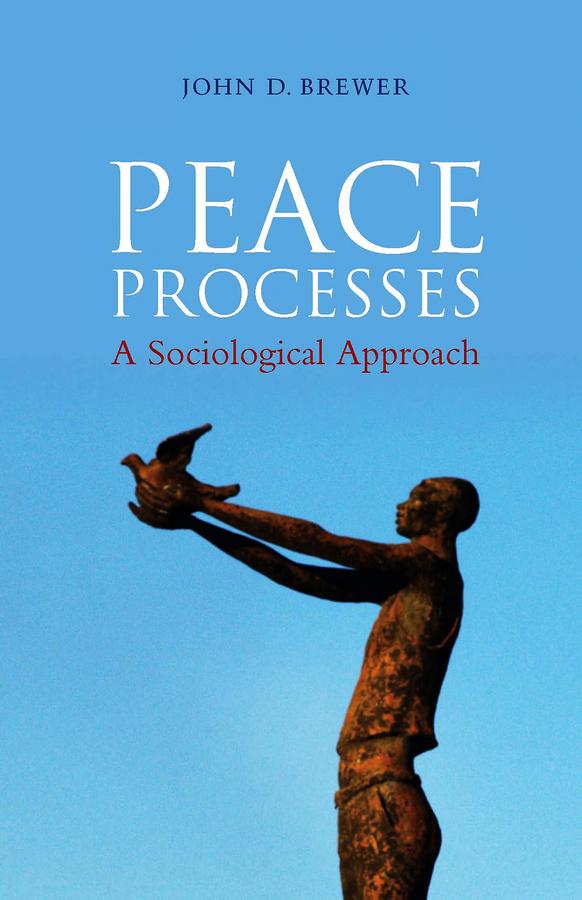
The book draws a distinction between the political and social dimensions of peace processes, arguing that each is dependent on the other. Consideration of the social peace process, neglected in conventional treatments of the subject, is made central to this volume. While complementing current approaches that emphasize institutional reform in politics, law and economics, it pays due attention to sociological factors such as gender, civil society, religion, the deconstruction of violent masculinities, restorative justice, emotions, hope, forgiveness, truth recovery, social memory and public victimhood. These important themes are fully illustrated with examples and in-depth case studies from across the globe.
The book locates itself within the growing debate about the positive impact of global civil society on peace and identifies the new forms of peace work engendered by globalization. It will be essential reading for students and scholars of peace studies in politics, international relations and sociology departments.
Betal enkelt med kort, Klarna, Apple Pay eller Google Pay. Ikke fornøyd? Du har alltid 14 dagers angrerett. Les mer i våre vilkår. Har du spørsmål, send oss en e-post på hello@memmo.org.
Memmo gjør det enklere å studere – uansett hvor du er i verden. Hos oss samler du pensumbøker og smarte studieverktøy på ett og samme sted: sammendrag, quizer, podkaster og flashcards. Og så Ted, din studiekompis som svarer på alt du lurer på. Over 50 000 studenter studerer allerede her – bygget for at du skal lære raskere og stresse mindre.