
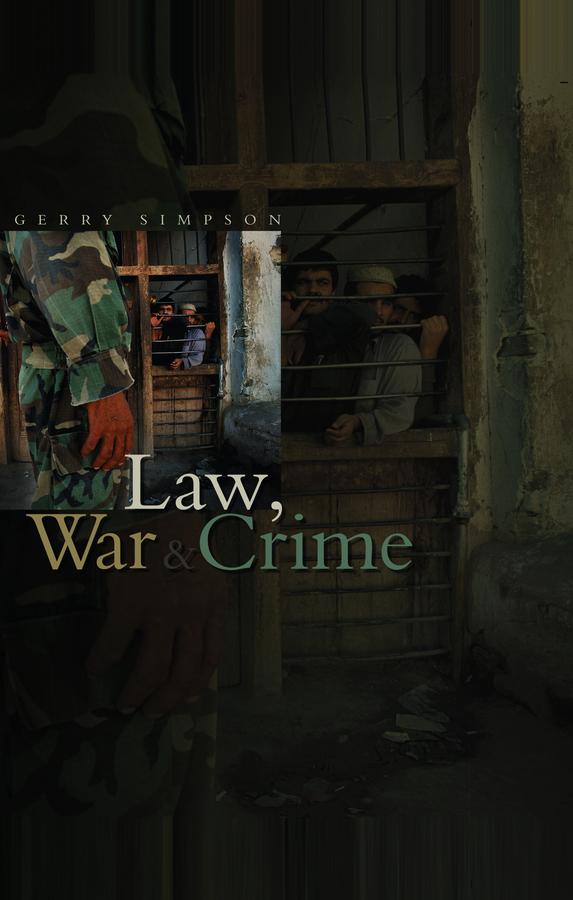
Simpson argues that the field of war crimes is constituted by a number of tensions between, for example, politics and law, local justice and cosmopolitan reckoning, collective guilt and individual responsibility, and between the instinct that war, at worst, is an error and the conviction that war is a crime.
Written in the wake of an extraordinary period in the life of the law, the book asks a number of critical questions. What does it mean to talk about war in the language of the criminal law? What are the consequences of seeking to criminalise the conduct of one's enemies? How did this relatively new phenomenon of putting on trial perpetrators of mass atrocity and defeated enemies come into existence? This book seeks to answer these important questions whilst shedding new light on the complex relationship between law, war and crime.
Betal enkelt med kort, Klarna, Apple Pay eller Google Pay. Ikke fornøyd? Du har alltid 14 dagers angrerett. Les mer i våre vilkår. Har du spørsmål, send oss en e-post på hello@memmo.org.
Memmo gjør det enklere å studere – uansett hvor du er i verden. Hos oss samler du pensumbøker og smarte studieverktøy på ett og samme sted: sammendrag, quizer, podkaster og flashcards. Og så Ted, din studiekompis som svarer på alt du lurer på. Over 50 000 studenter studerer allerede her – bygget for at du skal lære raskere og stresse mindre.