
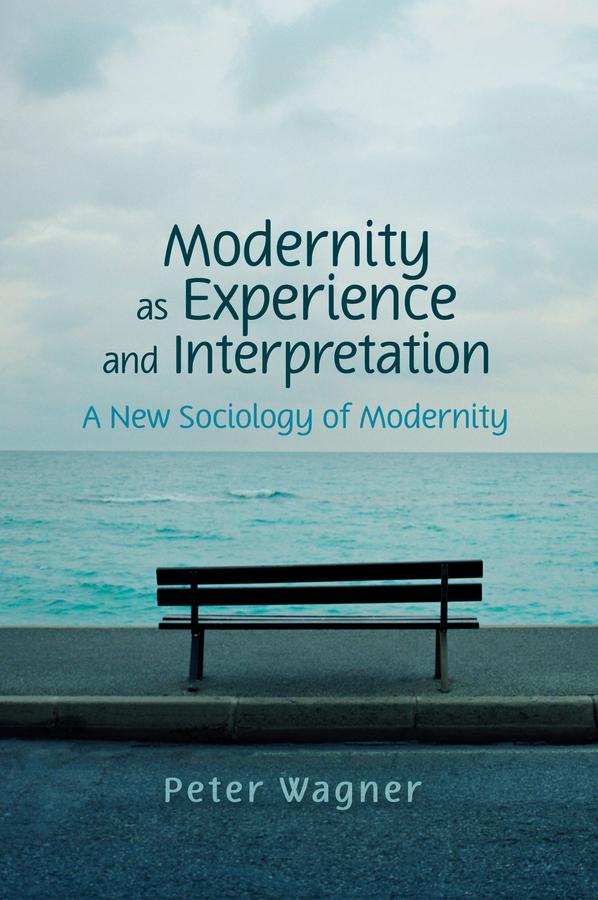
Every society seeks answers to certain basic questions: how to order life in common; how to satisfy human needs; how to establish knowledge. Sociology long assumed that the answers had been found once and for all: a liberal-democratic state, a market economy, and free scientific institutions. This trinity used to be called ‘modern society’.
By contrast, this book is based on the idea that, under conditions of modernity, there are no stable and certain answers to these questions. There is a plurality of possible answers, every proposed answer can be criticized and contested, and every society needs to find its answer on its own.
This new sociology of modernity proposes two key instruments through which to understand the answers given to those questions: the experiences human beings have of their own modernity and the interpretations they give to those experiences. It reviews the history of ‘Western’ modernity in this light and then focuses on the specific answers that were and are being developed in Europe.
Betal enkelt med kort, Klarna, Apple Pay eller Google Pay. Ikke fornøyd? Du har alltid 14 dagers angrerett. Les mer i våre vilkår. Har du spørsmål, send oss en e-post på hello@memmo.org.
Memmo gjør det enklere å studere – uansett hvor du er i verden. Hos oss samler du pensumbøker og smarte studieverktøy på ett og samme sted: sammendrag, quizer, podkaster og flashcards. Og så Ted, din studiekompis som svarer på alt du lurer på. Over 50 000 studenter studerer allerede her – bygget for at du skal lære raskere og stresse mindre.