
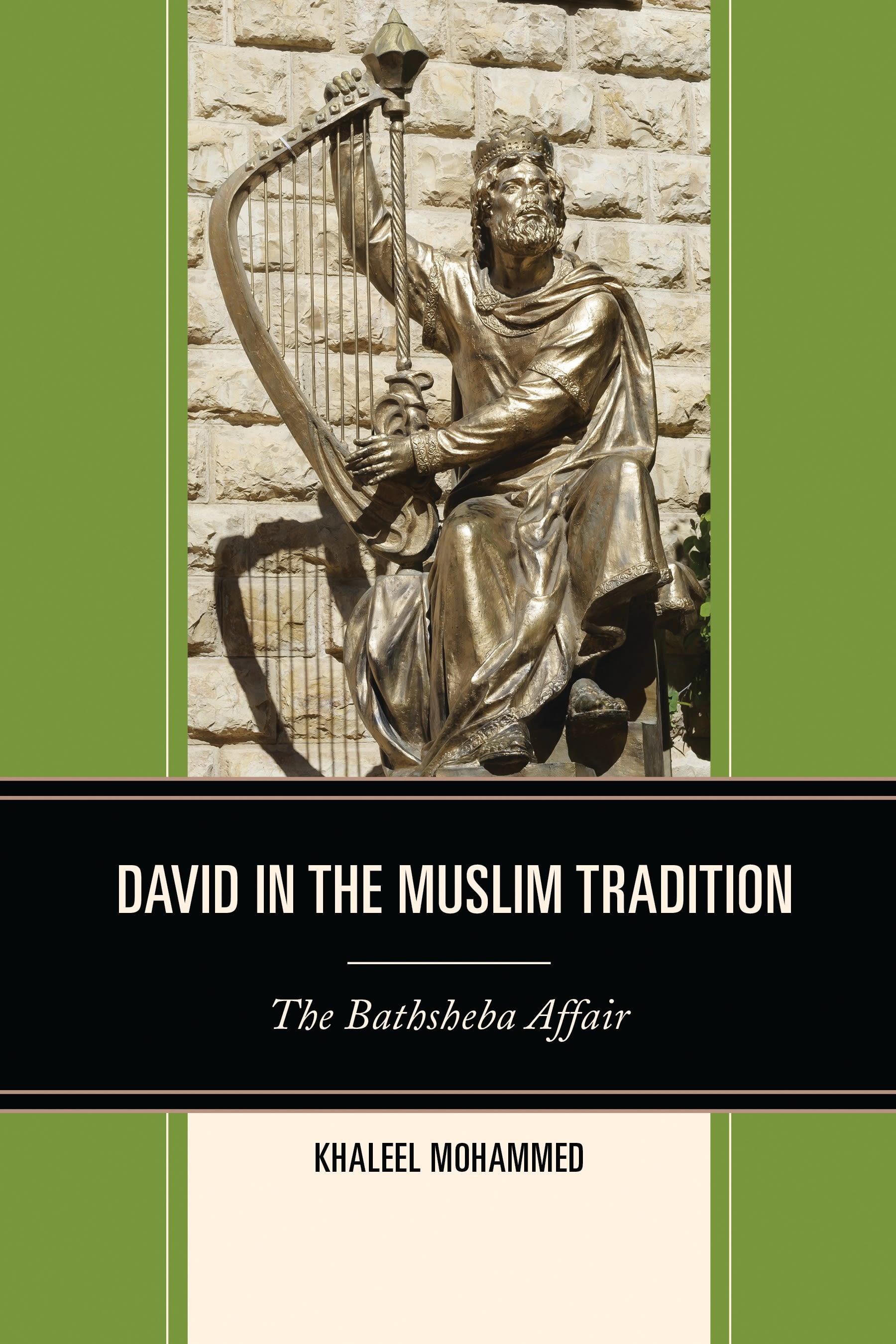
In Chapter 38:21-25, the Qur’an relates a very short narrative about the biblical King David’s seeking and receiving God’s forgiveness. The earliest Muslim exegetes interpreted the qur’anic verses as referring to the Hebrew Bible’s story of David’s adultery with Bathsheba, as related in 2 Samuel 12:1-13. Later Muslims, however, having developed the concept of prophetic impeccability, radically reinterpreted those verses to show David as innocent of any wrongdoing since, in the Muslim tradition, he is not only a king, but a prophet as well. David in the Muslim Tradition: The Bathsheba Affair outlines the approach of the Qur’an to shared scriptures, and provides a detailed look at the development of the exegetical tradition and the factors that influenced such exegesis. By establishing four distinct periods of exegesis, Khaleel Mohammed examines the most famous explanations in each stratum to show the metamorphosis from blame to exculpation. He shows that the Muslim development is not unique, but is very much in following the Jewish and Christian traditions, wherein a similar sanitization of David’s image has occurred.
Betal enkelt med kort, Klarna, Apple Pay eller Google Pay. Ikke fornøyd? Du har alltid 14 dagers angrerett. Les mer i våre vilkår. Har du spørsmål, send oss en e-post på hello@memmo.org.
Memmo gjør det enklere å studere – uansett hvor du er i verden. Hos oss samler du pensumbøker og smarte studieverktøy på ett og samme sted: sammendrag, quizer, podkaster og flashcards. Og så Ted, din studiekompis som svarer på alt du lurer på. Over 50 000 studenter studerer allerede her – bygget for at du skal lære raskere og stresse mindre.