
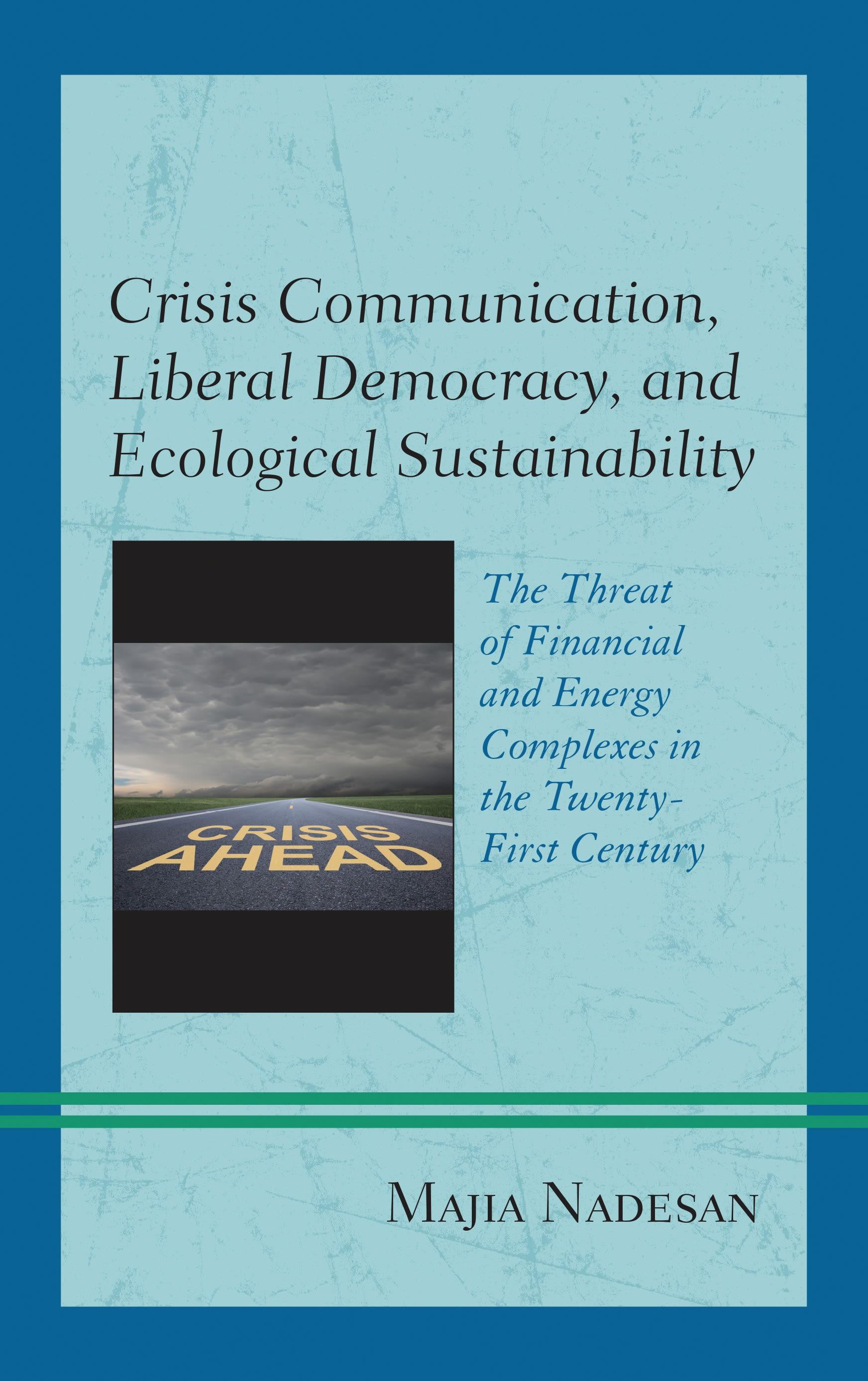
Crisis Communication, Liberal Democracy, and Ecological Sustainability provides a detailed and empirical analysis of the institutions, governing logics, risk-management practices, and crisis communication strategies involved in the 2007–2008 financial crisis, the 2010 BP oil crisis, and the 2011 Fukushima Daiichi nuclear crisis. These human-engineered crises threaten sustainability through resource depletion, environmental degradation, and the growth of geo-political conflicts. Yet, the corporations responsible have returned to profitability by externalizing risks to communities and governments. In response to this pattern of crisis management, Nadesan argues that contemporary financial and energy complexes pose significant threats to liberal democracy and ecological sustainability. This book will be of interest to scholars of communication studies, cultural studies, sociology, political science, anthropology, and economics.
Betal enkelt med kort, Klarna, Apple Pay eller Google Pay. Ikke fornøyd? Du har alltid 14 dagers angrerett. Les mer i våre vilkår. Har du spørsmål, send oss en e-post på hello@memmo.org.
Memmo gjør det enklere å studere – uansett hvor du er i verden. Hos oss samler du pensumbøker og smarte studieverktøy på ett og samme sted: sammendrag, quizer, podkaster og flashcards. Og så Ted, din studiekompis som svarer på alt du lurer på. Over 50 000 studenter studerer allerede her – bygget for at du skal lære raskere og stresse mindre.