
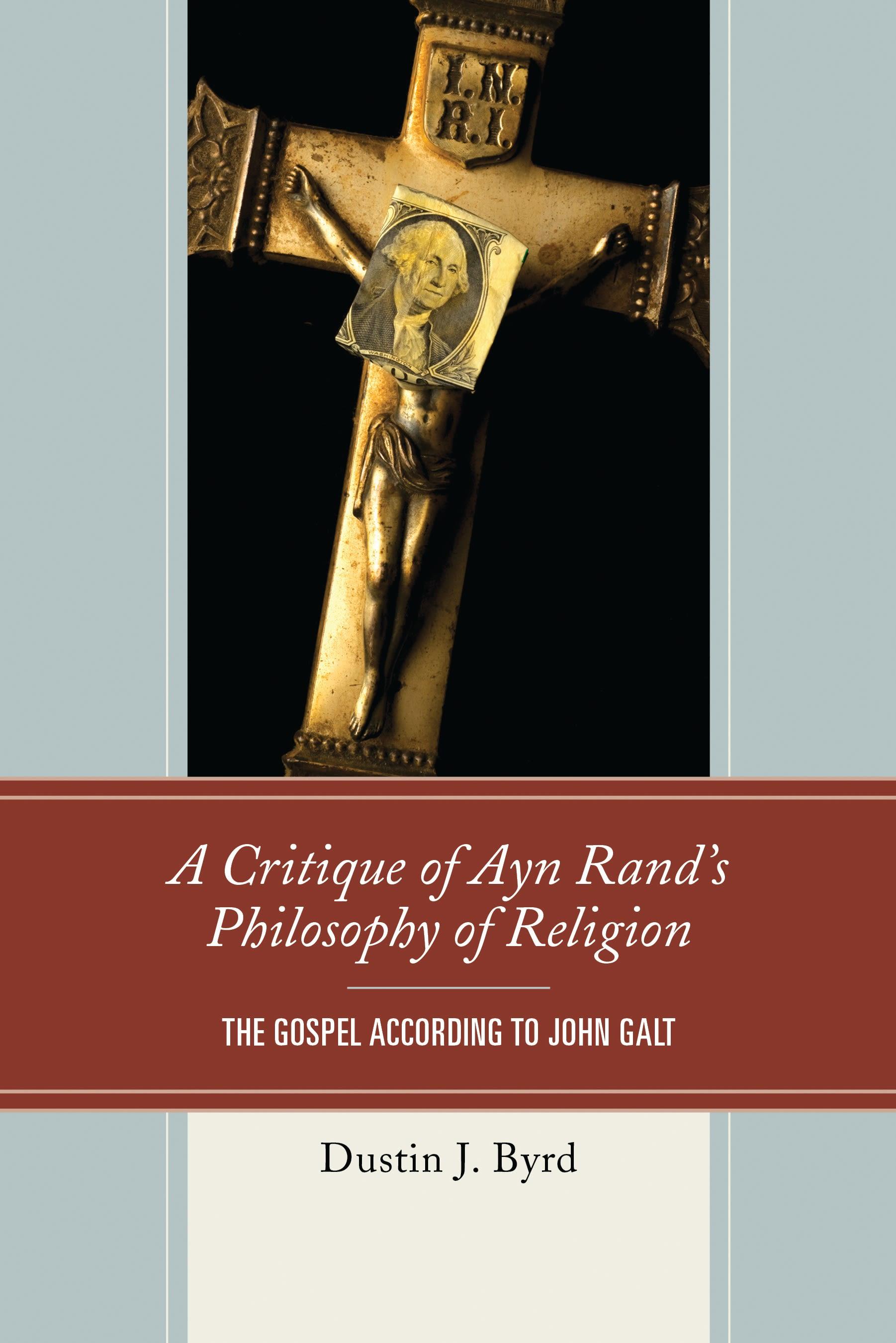
Ayn Rand’s philosophy has once again found an important part on the American political stage. With the rise of the Tea Party movement, her political and economic philosophy has infused the American public discourse with a new Libertarian vitality. Ironically, many of her new followers identify themselves as committed Christians, a prospect that Rand herself would have rejected. This book critically reviews Rand’s secular-atheist philosophy of religion, which includes her theory of altruism, collectivism, and statism, and asks the questions: How did Ayn Rand become conservative Christians’ favorite atheist?; Can Christianity, or any other prophetic religion, be reconciled with her philosophy of greed, selfishness, and capitalism?; Can one be both a Christian and a dedicated follower of Ayn Rand?; Can one appropriate her political and economic philosophy while rejecting her radical atheism and anti-religious stance?
Betal enkelt med kort, Klarna, Apple Pay eller Google Pay. Ikke fornøyd? Du har alltid 14 dagers angrerett. Les mer i våre vilkår. Har du spørsmål, send oss en e-post på hello@memmo.org.
Memmo gjør det enklere å studere – uansett hvor du er i verden. Hos oss samler du pensumbøker og smarte studieverktøy på ett og samme sted: sammendrag, quizer, podkaster og flashcards. Og så Ted, din studiekompis som svarer på alt du lurer på. Over 50 000 studenter studerer allerede her – bygget for at du skal lære raskere og stresse mindre.