
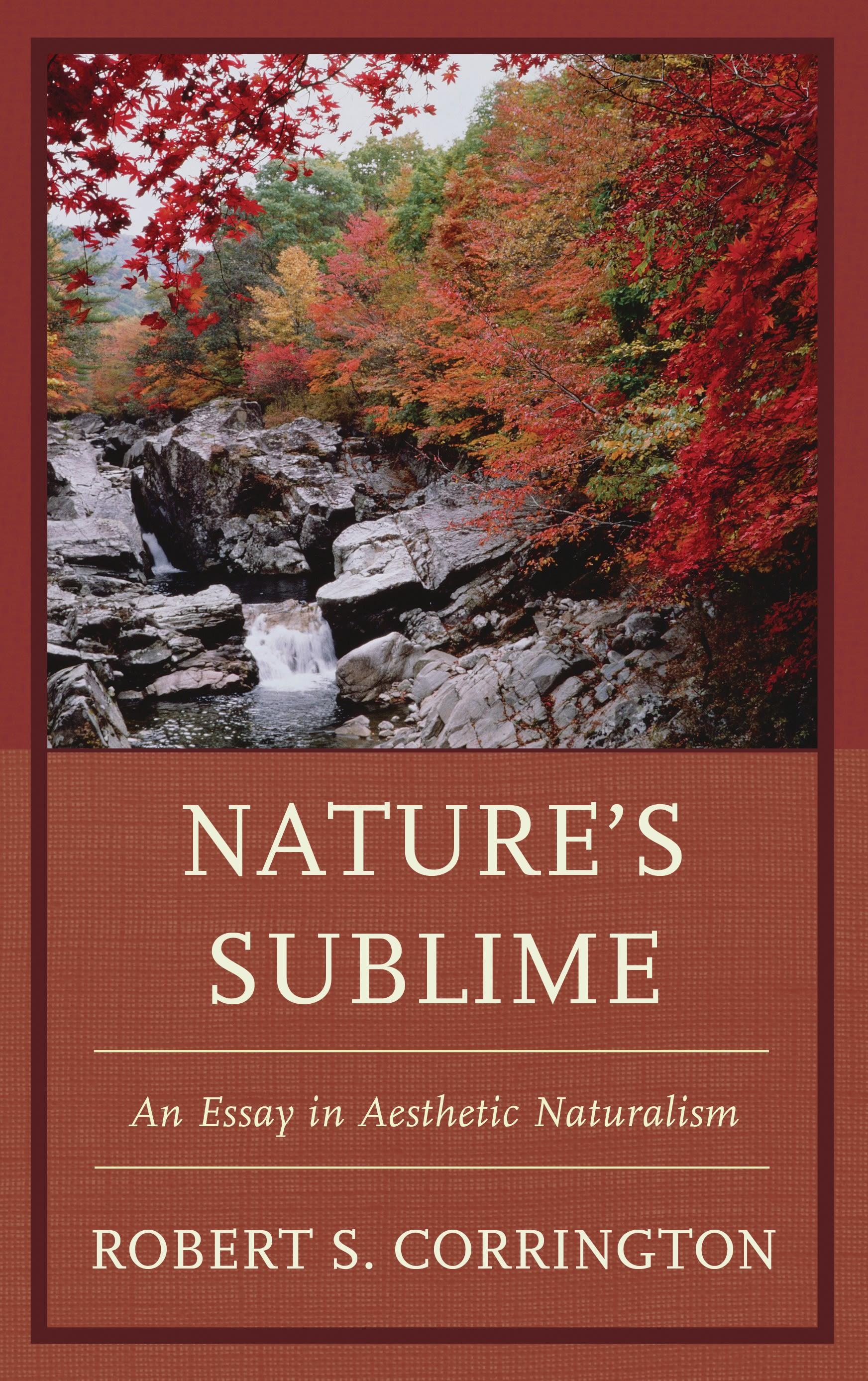
Nature’s Sublime uses a radical new form of phenomenology to probe into the deepest traits of the human process in its individual, social, religious, and aesthetic dimensions. Starting with the selving process the essay describes the role of signs and symbols in intra and interpersonal communication. At the heart of the human use of signs is a creative tension between religions symbols and the novel symbols created in the various arts. A contrast is made between natural communities, which flatten out and reject novel forms of semiosis, and communities of interpretation, which welcomes creative and enriched signs and symbols. The normative claim is made that religious sign/symbol systems have a tendency toward tribalism and violence, while the various spheres of the aesthetic are comparatively non-tribal, or even deliberatively anti-tribal. The concept/experience of beauty and the sublime is meant to replace that of religious revelation. The sublime is not merely an internal mode of attunement, contra Kant, but comes from the very depths of nature in the potencies of nature naturing.
Betal enkelt med kort, Klarna, Apple Pay eller Google Pay. Ikke fornøyd? Du har alltid 14 dagers angrerett. Les mer i våre vilkår. Har du spørsmål, send oss en e-post på hello@memmo.org.
Memmo gjør det enklere å studere – uansett hvor du er i verden. Hos oss samler du pensumbøker og smarte studieverktøy på ett og samme sted: sammendrag, quizer, podkaster og flashcards. Og så Ted, din studiekompis som svarer på alt du lurer på. Over 50 000 studenter studerer allerede her – bygget for at du skal lære raskere og stresse mindre.