
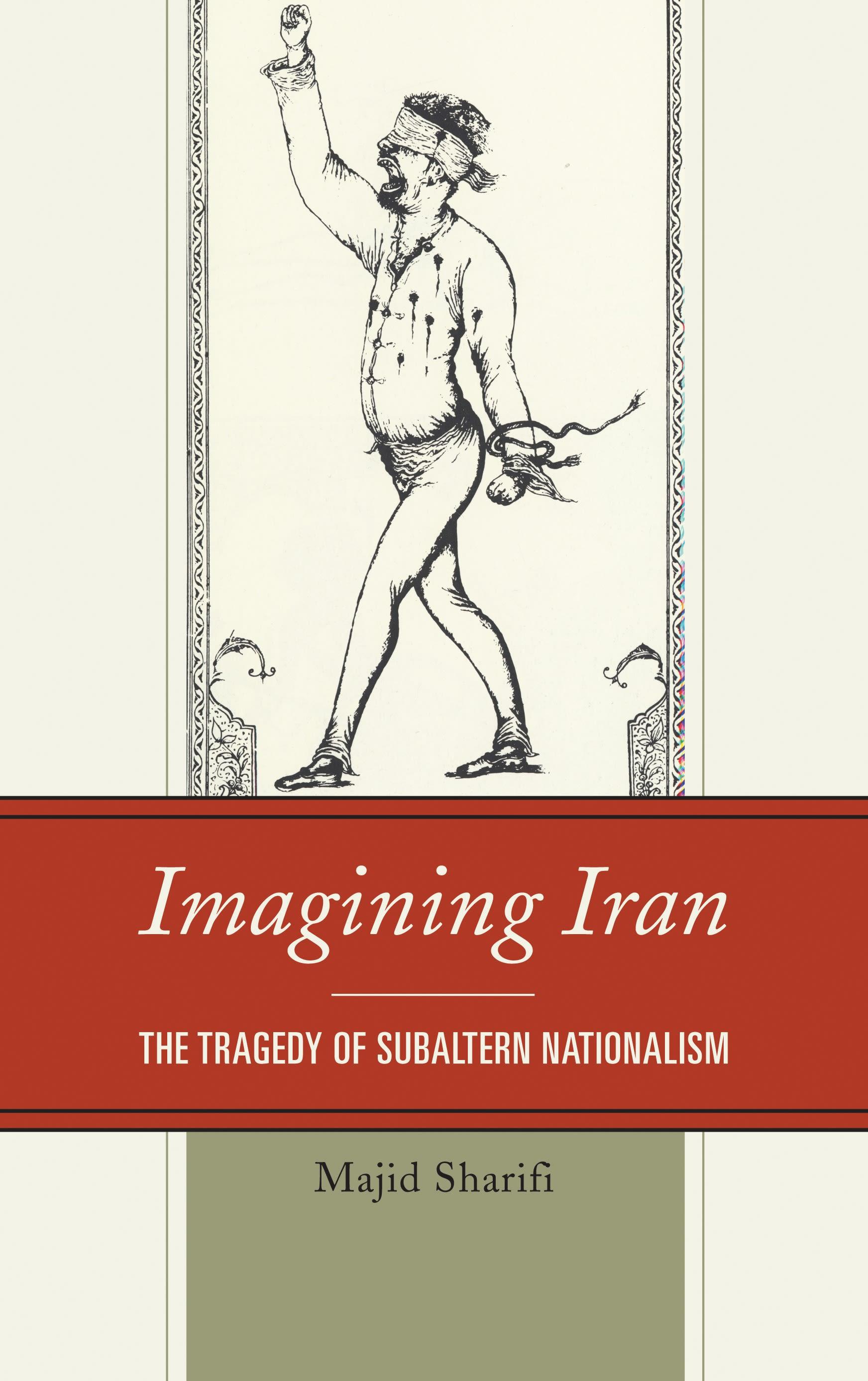
Thematically, this book problematizes Iranian official nationalism. It reviews how every modern Iranian regime since the constitutional revolution of the 1905-06 has failed to legitimize its official identity, resulting in the fall of five different regimes. The book details how the collapse of each regime resulted in the interruption of the official meaning of being Iranian, as well as the meanings of its enemies. What remained the same was how every Iranian regime represented itself as the agent of a particular national desire defined in terms of making Iran to become sovereign, developed, democratic, and constitutional. Nonetheless, no regime was able to convince a great majority of the people that it achieved what it represented.
This book makes three specific contributions. The first contribution is pedagogical. By focusing on the dynamics of regime changes, it provides a heuristic model for identifying challenges that all Iranian regimes have faced. Moreover, the book is a comprehensive review of the disruptive, oppressive, and bloody nature of the rise and fall of different regimes. The second contribution is theoretical. Rather than examining the behavior of various Iranian regimes in isolation from their international context, the book examines how each regime got to understand itself in relations to its imperial others. By examining the governmental rationality of each regime, the book offers a better theoretical framework for understanding political development not only in Iran, but also in all other Middle Eastern and South Asian states. Finally, the third contribution of this book is its critical approach to the main body of the literature on Iran, modernity, development, democracy, and constitutionalism.
This book makes three specific contributions. The first contribution is pedagogical. By focusing on the dynamics of regime changes, it provides a heuristic model for identifying challenges that all Iranian regimes have faced. Moreover, the book is a comprehensive review of the disruptive, oppressive, and bloody nature of the rise and fall of different regimes. The second contribution is theoretical. Rather than examining the behavior of various Iranian regimes in isolation from their international context, the book examines how each regime got to understand itself in relations to its imperial others. By examining the governmental rationality of each regime, the book offers a better theoretical framework for understanding political development not only in Iran, but also in all other Middle Eastern and South Asian states. Finally, the third contribution of this book is its critical approach to the main body of the literature on Iran, modernity, development, democracy, and constitutionalism.
Sider: 396
Kategori: Statsvetenskap & Politik
e-ISBN: 9780739179451
Fraktvekt: 1.2 kg
Sendes innen: 1-2 dager
Betal enkelt med kort, Klarna, Apple Pay eller Google Pay. Ikke fornøyd? Du har alltid 14 dagers angrerett. Les mer i våre vilkår. Har du spørsmål, send oss en e-post på hello@memmo.org.
Memmo gjør det enklere å studere – uansett hvor du er i verden. Hos oss samler du pensumbøker og smarte studieverktøy på ett og samme sted: sammendrag, quizer, podkaster og flashcards. Og så Ted, din studiekompis som svarer på alt du lurer på. Over 50 000 studenter studerer allerede her – bygget for at du skal lære raskere og stresse mindre.