
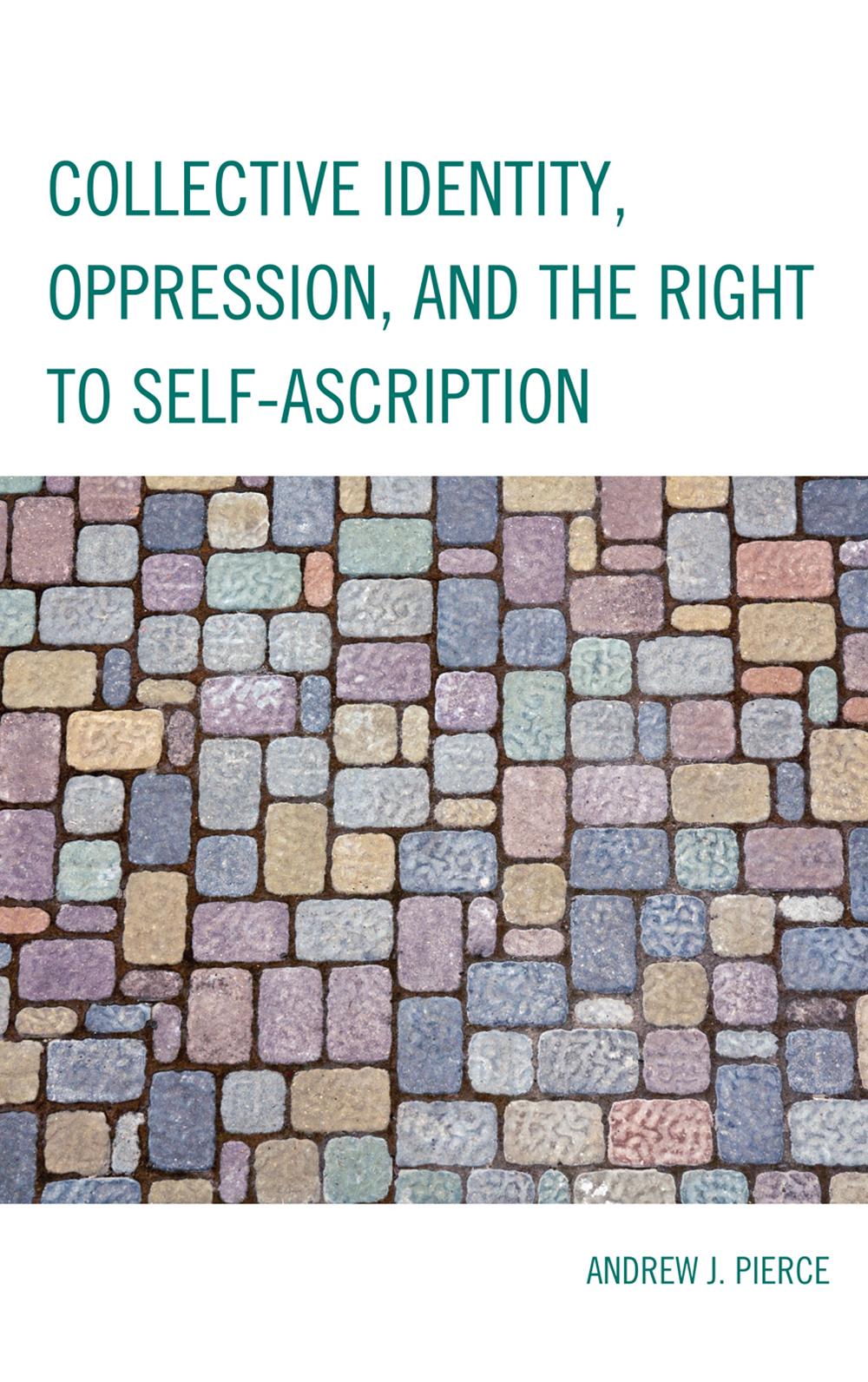
Collective Identity, Oppression, and the Right to Self-Ascription argues that groups have an irreducibly collective right to determine the meaning of their shared group identity, and that such a right is especially important for historically oppressed groups. The author specifies this right by way of a modified discourse ethic, demonstrating that it can provide the foundation for a conception of identity politics that avoids many of its usual pitfalls. The focus throughout is on racial identity, which provides a test case for the theory. That is, it investigates what it would mean for racial identities to be self-ascribed rather than imposed, establishing the possible role racial identity might play in a just society. The book thus makes a unique contribution to both the field of critical theory, which has been woefully silent on issues of race, and to race theory, which often either presumes that a just society would be a raceless society, or focuses primarily on understanding existing racial inequalities, in the manner typical of so-called “non-ideal theory.”
Betal enkelt med kort, Klarna, Apple Pay eller Google Pay. Ikke fornøyd? Du har alltid 14 dagers angrerett. Les mer i våre vilkår. Har du spørsmål, send oss en e-post på hello@memmo.org.
Memmo gjør det enklere å studere – uansett hvor du er i verden. Hos oss samler du pensumbøker og smarte studieverktøy på ett og samme sted: sammendrag, quizer, podkaster og flashcards. Og så Ted, din studiekompis som svarer på alt du lurer på. Over 50 000 studenter studerer allerede her – bygget for at du skal lære raskere og stresse mindre.