
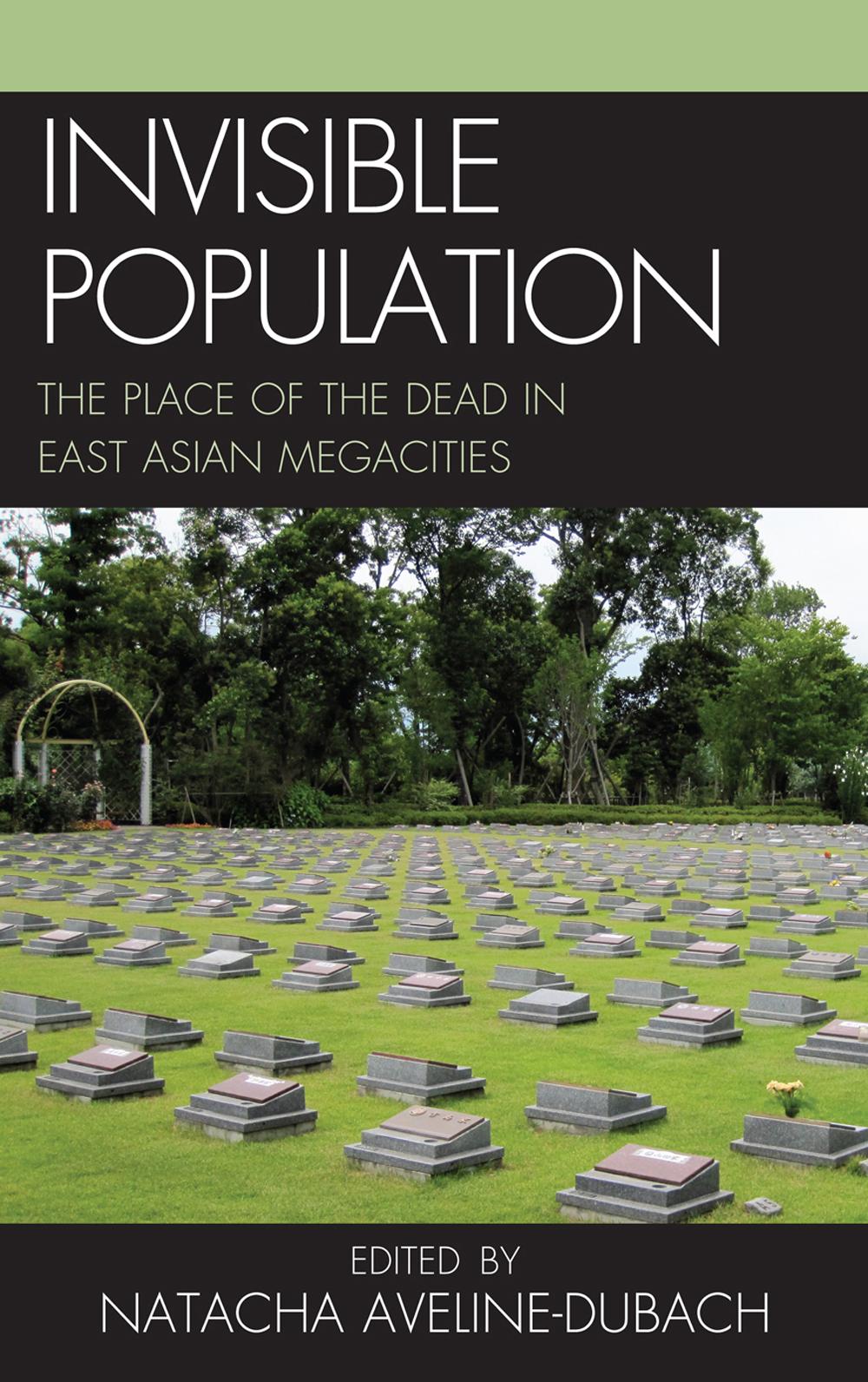
The issue of population ageing in East-Asia has been extensively studied but we remain in the dark as to the fate of the region’s growing dead population, particularly in the largest metropolitan areas where there is bitter competition for space among the various human activities. From private cemetery developers to undertakers, not to mention a vast array of sub-contractors, death is discreetly helping a multitude of industry players to prosper. The result has been the transformation of funeral services into a fully-fledged industry that is rapidly expanding and adapting to the needs of urban societies with their extreme lack of space. In the specific context of East-Asian megacities, funeral rituals and practices are evolving rapidly in an attempt to conform to spatial constraints and address emerging challenges such as urban sustainability and growing social inequalities.
Research dealing with death in East-Asia has so far focused on symbolic and religious issues, ignoring the social, economic and spatial dimensions that have become crucial in a context of rapid urbanization. This book aims to remedy this situation while highlighting for the first time the shared characteristics of funerary issues across Japan, Korea and China.
Research dealing with death in East-Asia has so far focused on symbolic and religious issues, ignoring the social, economic and spatial dimensions that have become crucial in a context of rapid urbanization. This book aims to remedy this situation while highlighting for the first time the shared characteristics of funerary issues across Japan, Korea and China.
Betal enkelt med kort, Klarna, Apple Pay eller Google Pay. Ikke fornøyd? Du har alltid 14 dagers angrerett. Les mer i våre vilkår. Har du spørsmål, send oss en e-post på hello@memmo.org.
Memmo gjør det enklere å studere – uansett hvor du er i verden. Hos oss samler du pensumbøker og smarte studieverktøy på ett og samme sted: sammendrag, quizer, podkaster og flashcards. Og så Ted, din studiekompis som svarer på alt du lurer på. Over 50 000 studenter studerer allerede her – bygget for at du skal lære raskere og stresse mindre.